
Walking After Meals With Diabetes: How to Do It Without Hurting a Numb Foot
Does walking after meals help lower blood sugar?
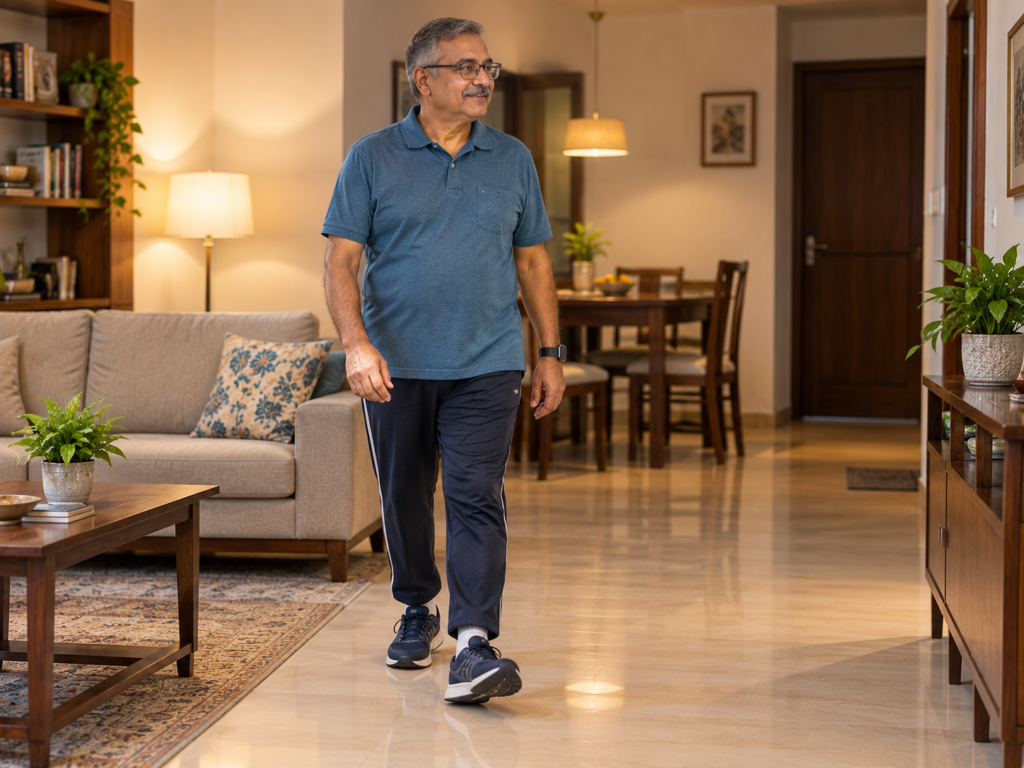
A 10–15 minute walk after a main meal can help reduce the rise in blood glucose after eating. People with diabetic neuropathy may also be able to walk safely when they have suitable footwear, well-fitting socks and no active foot injury. Check both feet after every walk because numbness can hide blisters or wounds. Anyone with an open ulcer, active Charcot foot or a foot in a cast should avoid weight-bearing exercise until their clinical team advises otherwise.
How much does a walk after meals help blood sugar?
When you walk, your muscles use glucose for energy. Muscle activity can help the body manage blood glucose after a meal, making short walks a practical addition to a diabetes care plan.
Research supports the benefits of physical activity for glucose management. The American Diabetes Association recommends regular physical activity and advises people with diabetes to break up prolonged sitting at least every 30 minutes. Most adults should work towards at least 150 minutes of moderate-to-vigorous activity each week, adjusted to their health and abilities.
A short walk after meals is one way to build activity into daily life. However, it does not replace prescribed medicines, a balanced diet or glucose monitoring. The amount of improvement varies with meal size, medication, baseline glucose, walking intensity and individual health.
If you use insulin or medicines that can cause low blood glucose, ask your healthcare professional whether you need to check your glucose around exercise or adjust your routine. Do not change medication doses independently.
How long and how fast should you walk?
For a person with diabetes who has no active foot problem and is cleared for walking, start with a manageable routine.
- Duration: Begin with 5–10 minutes if you are inactive, then work towards 10–15 minutes after a meal as tolerated.
- Pace: Choose a comfortable pace that allows you to speak without becoming unusually breathless.
- Timing: Start after the meal when you feel comfortable. You do not need to walk immediately after the last bite.
- Frequency: Try a short walk after one meal first, then add other meals if your foot health and overall condition allow.
- Progression: Increase activity gradually rather than suddenly adding long walks.
There is no single duration that suits everyone. If you have reduced sensation, balance problems, previous ulcers, poor circulation or foot deformities, ask your foot-care team to assess your risk before increasing weight-bearing activity.
People with diabetes who spend long periods sitting can also interrupt sitting with brief movement breaks. If walking is not safe for your feet, a clinician may recommend seated movement or another suitable form of exercise.
Which shoes and socks protect a numb foot?
Diabetic neuropathy can reduce protective sensation. You may not feel a pebble inside a shoe, a rubbing seam or a blister forming under the foot. Good footwear reduces avoidable pressure and friction, but it cannot make walking safe when an active foot condition requires offloading.
Choosing diabetic walking shoes
Look for shoes that have:
- Enough length and width for the toes to move comfortably
- A secure fit that prevents the foot from sliding
- A smooth interior without rough seams or hard pressure points
- Suitable cushioning and support
- A sole that protects against sharp objects
- Enough depth for prescribed insoles or orthoses, if needed
Try shoes on with the socks you usually wear. Feet may swell during the day, so checking the fit later in the day can be useful. Introduce new shoes gradually and inspect your feet after the first short periods of wear.
People with a history of ulcers, significant deformity or high foot-ulcer risk may need therapeutic footwear or custom insoles. A clinician should help select these when indicated. Read more about choosing insoles and footwear.
Choosing diabetic walking socks
Choose clean socks that fit comfortably, wick away moisture and do not bunch around the toes. Seamless or flat-seam socks may reduce friction. Avoid tight elastic bands that leave deep marks or restrict comfort.
Change damp socks and check for wrinkles before putting on shoes. Socks should not be so thick that they make footwear tight.
Never walk barefoot, even indoors or on grass. A numb foot may not detect a thorn, hot surface, sharp object or small cut. Walking in socks alone does not provide enough protection.
Who should not walk for exercise right now?
Some foot conditions need protection from pressure rather than more steps. Use this guide as a starting point, not as a substitute for an individual foot assessment.
| Foot risk or condition | Is walking allowed? | Duration | Footwear or protection | Alternative |
|---|---|---|---|---|
| IWGDF risk 0: no loss of protective sensation or peripheral artery disease | Usually, if otherwise medically suitable | Start with 10-15 minutes after a meal | Comfortable, protective walking shoes and well-fitting socks | Seated activity if walking is difficult |
| IWGDF risk 1: loss of protective sensation or peripheral artery disease alone | May be appropriate after assessment and with precautions | Start gradually; inspect feet after activity | Properly fitted protective footwear; specialist advice where needed | Seated exercise if advised |
| IWGDF risk 2: combinations of neuropathy, circulation problems or deformity | Individual assessment is important | Set a plan with the foot-care team | Therapeutic footwear or prescribed insoles may be needed | Non-weight-bearing exercise when recommended |
| IWGDF risk 3: previous ulcer, amputation or end-stage kidney disease in the risk framework | Do not increase walking without a personalised plan | Clinician-directed | Footwear and surveillance tailored to risk | Seated or non-weight-bearing activity if appropriate |
| Active ulcer, suspected active Charcot foot or foot in a cast | Do not begin a walking programme unless specifically cleared | No routine weight-bearing walk | Follow prescribed offloading or immobilisation | Seated or upper-body exercise only if the treating team approves |
The International Working Group on the Diabetic Foot (IWGDF) recommends considering a gradual increase of about 1,000 extra steps per day for people at low-to-moderate ulcer risk, with appropriate footwear and frequent skin checks. That recommendation does not mean every person with neuropathy should automatically add steps. Foot status, existing activity and individual risk determine the plan.
An open wound, unexplained foot swelling, redness or increased skin temperature needs prompt clinical assessment. Suspected active Charcot foot can present with a warm, swollen foot, sometimes without much pain. Stop weight-bearing and seek urgent assessment if you notice these changes.
What should you check on your feet after walking?
A quick inspection after every walk is particularly important when sensation is reduced. Do not use pain as your only warning sign.
- Remove both shoes and socks.
- Inspect the tops, soles, heels and sides of both feet.
- Check between the toes.
- Look for redness, blisters, cuts, swelling, cracks or pressure marks.
- Compare both feet for changes in colour, shape or temperature.
- Check the inside of each shoe for stones, rough lining or foreign objects.
- Record any recurring pressure area and contact your foot-care team.
Use a mirror to inspect the soles if you can do so safely, or ask a family member or caregiver to help. Do not cut calluses or corns yourself, and do not apply chemical corn removers to a diabetic foot.
If you find a new blister, cut or open area, stop walking for exercise and seek prompt advice from your foot-care team. A wound may need offloading and professional treatment even when it does not hurt.
For suitable, clinician-approved movements, see foot exercises for diabetes and why foot exercise matters. Foot exercises are not a replacement for offloading an active ulcer or suspected Charcot foot.
How can diabetic foot care in bardoli help you plan activity?
A foot assessment can help determine whether post-meal walking is appropriate, what footwear you need and how often you should check your feet. Diabetic foot care in bardoli should focus on identifying loss of protective sensation, circulation problems, deformities, calluses and any previous or current ulcer.
The clinician may assess your protective sensation, pulses, skin condition, footwear and history of foot problems. Your team can then advise whether you can begin short walks, need therapeutic footwear, or should use non-weight-bearing exercise while a foot problem heals.
Good glucose management also supports long-term diabetes care, although it cannot remove the immediate risk from an active wound. Learn more about sugar control.
Seek urgent assessment for a new open wound, unexplained swelling, redness or warmth. If you develop fever, spreading redness or feel seriously unwell with a foot wound, seek urgent medical care.
Frequently asked questions
For someone whose feet are safe for weight-bearing activity, a 10-15 minute walk after a main meal is a practical starting target. Begin with a shorter period if needed and increase gradually. Neuropathy, balance problems, previous ulcers and current foot changes may require a personalised plan before walking.
No. Grass may hide thorns, stones, sharp objects or hot surfaces. Neuropathy can prevent you from feeling an injury, and even a small wound can become serious. Wear protective footwear indoors and outdoors, and inspect your feet after activity.
A callus can indicate repeated pressure and may hide damage underneath, particularly when protective sensation is reduced. Do not cut it or use chemical removers yourself. Ask a foot-care professional to assess it and advise whether walking, footwear changes or pressure relief are appropriate.
Both can contribute to physical activity, but a short walk after a meal can help reduce the post-meal glucose rise. The best timing depends on your routine, medications, glucose response and foot health. If weight-bearing activity is unsafe, ask your clinician about a suitable alternative.
Do not start or continue routine weight-bearing exercise on an active diabetic foot ulcer unless your treating team specifically clears it. Ulcers often need pressure relief or offloading. Ask which seated or non-weight-bearing activities are safe while the wound heals.
It can count as physical activity if walking is safe for your feet and the surface is clear. Wear protective footwear rather than walking barefoot or in socks alone. With numbness, check both feet after indoor walking just as you would after walking outside.