
Diabetic Foot Dressing Cost in Surat: What You Pay
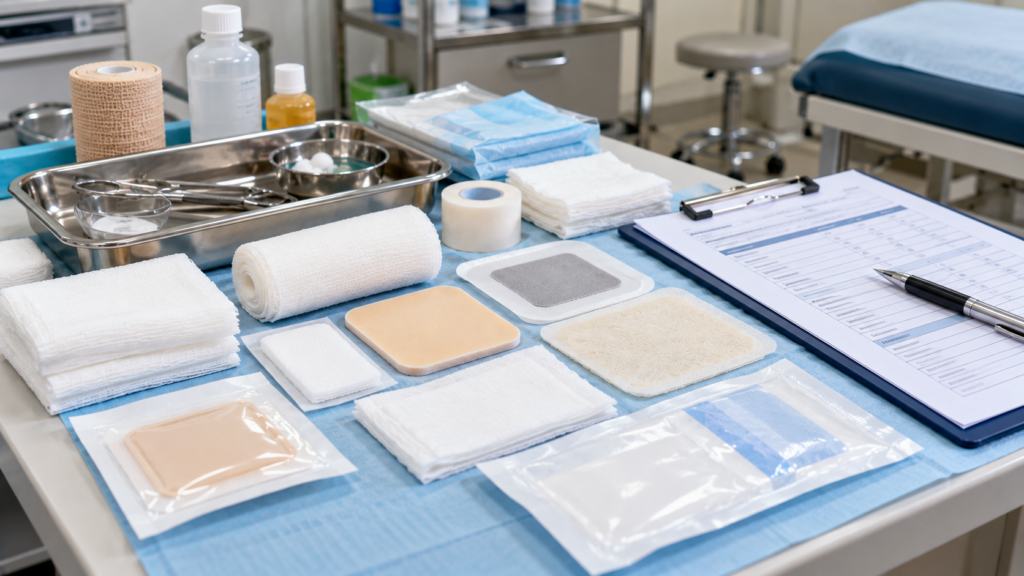
If you are searching for the diabetic foot dressing cost in Surat, it is important to know that there is no single price for every wound.
The amount you pay can change according to the size and depth of the wound, the type of dressing material required, whether the wound is infected, how often the dressing needs to be changed and whether additional treatment such as debridement or offloading is required.
A simple dressing may sit at the lower end of the cost range. Advanced materials such as foam, alginate or silver dressings can cost more per visit. Negative pressure wound therapy is different again because it is generally planned as a treatment course rather than priced like an ordinary dressing change.
For this reason, a reliable total should be given after the wound has been assessed.
What Is Included In A Diabetic Foot Dressing Visit?
A dressing appointment is not simply about putting a new covering over the wound.
Depending on the wound, the visit may include:
- Examination of the wound
- Cleaning of the wound
- Removal or management of dressing material
- Application of an appropriate dressing
- Assessment for infection
- Checking the surrounding skin
- Reviewing pressure on the wound
- Advice about footwear or offloading
- Instructions for home care
- Planning the next dressing visit
The exact services included depend on the clinic, the wound and the treatment plan.
If a wound requires a procedure or additional investigation, that may be billed separately.
Why Does Dressing Cost Vary?
The biggest reason is that not every wound needs the same dressing.
A small, uncomplicated wound may require a relatively simple dressing.
A larger or more complex wound may require a specialised product, more frequent visits or additional treatment.
Factors that can move the cost upward include:
1. Wound Size
A larger wound may require more dressing material.
The amount of material used can affect the cost of each visit.
2. Wound Depth
A superficial wound may need a different approach from a deep ulcer.
If deeper tissue is involved, the patient may require additional assessment and treatment rather than dressing alone.
3. Infection
An infected wound may require more frequent review, wound cleaning, investigations or medical treatment.
The cost therefore cannot be estimated from the word “dressing” alone.
4. Dressing Material
Different wound types require different materials.
Simple dressings are generally less expensive than advanced products.
Specialised options may include:
- Foam dressings
- Alginate dressings
- Silver-containing dressings
- Other specialised wound products
The appropriate material should be selected according to the wound rather than simply choosing the most expensive product.
Simple Dressing Vs Advanced Dressing
A simple dressing is generally used when the wound does not require a more specialised dressing material.
Advanced dressings may be considered when the wound has characteristics that make a more specialised product appropriate.
For example, the clinician may consider the amount of wound fluid, the condition of the wound bed, infection concerns and the surrounding skin.
This means a more expensive dressing is not automatically a better dressing.
The correct dressing is the one that fits the clinical needs of the wound.
What About Silver Dressings?
Silver-containing dressings may be used in selected wounds where their properties are considered appropriate.
They generally cost more than basic dressing materials.
However, silver should not simply be added because a wound is diabetic.
The dressing should be chosen after assessing the wound and determining what it needs.
What Is Day-Care Debridement?
Some diabetic foot wounds contain dead, damaged or unhealthy tissue that interferes with wound management.
A clinician may recommend debridement, which involves removing unsuitable tissue from the wound.
This is different from an ordinary dressing change.
A day-care procedure can therefore add to the total treatment cost.
The exact cost depends on the procedure required, wound complexity, setting and number of visits.
What Is Offloading And Why Can It Add To The Cost?
A diabetic foot ulcer can continue to worsen if pressure repeatedly reaches the same area.
In these situations, simply dressing the wound may not be enough.
The treatment plan may include an offloading device or footwear modification to reduce pressure.
Depending on the wound and location, options can include:
- Therapeutic footwear
- Custom insoles
- Offloading devices
- Total contact casting
- Other pressure-relieving approaches
The additional cost is not simply a dressing expense. It is part of managing the cause of repeated pressure.
Total Contact Cast
A total contact cast can be used in selected diabetic foot ulcers to redistribute pressure and protect the wound while it heals.
It is a specialised treatment and is not required for every ulcer.
Because it involves assessment, application and follow-up, the cost should be considered separately from an ordinary dressing visit.
Custom Insole Cost
A custom insole may be recommended when pressure distribution or foot structure contributes to ulcer risk.
A custom insole is not automatically included in the price of a wound dressing.
If one is required, it may be charged separately because it involves assessment, design and fabrication.
The decision should be based on the person’s foot shape, pressure pattern, footwear and ulcer risk.
What About Negative Pressure Wound Therapy?
Negative pressure wound therapy, sometimes called VAC or NPWT, uses controlled negative pressure to support wound management in selected cases.
It is not priced like a basic dressing change.
Instead, treatment may involve:
- Equipment
- Dressing kits
- Clinical application
- Dressing changes
- Monitoring
- Multiple treatment sessions
Therefore, the total cost is usually considered as a course of treatment, rather than simply asking for the price of one dressing.
Negative pressure therapy is only appropriate for selected wounds after clinical assessment.
Diabetic Foot Dressing Cost: What The Treatment May Include
| Treatment | What it covers | Cost band | Typical visits | What can move the patient up a band |
|---|---|---|---|---|
| Consultation | Initial wound and foot assessment | Basic clinical fee | Usually initial visit, with follow-up as needed | Complex wound, multiple problems or additional assessment |
| Simple dressing | Basic wound cleaning and dressing material | Lower | Depends on wound | Larger wound, drainage or frequent changes |
| Advanced dressing | Specialised foam, alginate, silver or similar material | Moderate to higher | Depends on wound | Larger wound, complex wound bed or specialised material |
| Day-care debridement | Removal of unhealthy or non-viable tissue | Procedure-based | As clinically required | Wound depth, amount of tissue and complexity |
| Total contact cast | Pressure redistribution for selected ulcers | Procedure/device-based | Requires follow-up | Ulcer location, casting needs and follow-up |
| Custom insole | Individual pressure redistribution | Device-based | Usually assessment plus fitting | Foot deformity and pressure-management needs |
| Negative pressure course | VAC/NPWT equipment and wound-management treatment | Course-based | Multiple sessions may be required | Wound size, complexity and treatment duration |
These are cost bands rather than fixed rupee prices. A clinic should provide the applicable charge after assessing the patient and determining which treatment is actually required.
Is The Consultation Charged Separately?
It depends on the clinic’s billing structure.
In some settings, consultation and dressing may be separate charges.
In others, certain components may be combined.
Ask what the quoted amount includes before starting treatment.
A useful question is:
“Does this amount include the consultation, dressing material, wound cleaning, procedure and follow-up, or are any of these billed separately?”
This can prevent confusion later.
What May Be Billed Separately?
Depending on the treatment plan, additional charges can include:
- Diagnostic tests
- Blood tests
- X-rays or other imaging
- Wound cultures
- Debridement
- Advanced dressing materials
- Offloading devices
- Total contact casting
- Custom insoles
- Negative pressure therapy
- Specialist referrals
- Medicines
Not every patient requires these services.
That is why a phone quote based only on the word “diabetic dressing” may not represent the eventual treatment cost.
Why Can’t The Total Cost Be Given On The Phone?
A wound cannot be accurately priced without knowing what needs to be treated.
Two patients may both say they need a “diabetic foot dressing”, but their wounds could be completely different.
One patient may have a small superficial wound requiring simple care.
Another may have a deep ulcer requiring debridement, pressure relief, vascular assessment and advanced wound management.
The treatment and cost can therefore be very different.
A proper assessment looks at:
Wound size + depth + infection + circulation + sensation + pressure + surrounding skin + previous treatment.
Only then can the appropriate treatment plan be discussed.
How Delay Can Increase Treatment Cost
Delaying assessment can sometimes allow a small foot problem to become more complicated.
A wound may enlarge.
Infection may develop.
Repeated pressure may prevent healing.
Dead tissue may require debridement.
A patient may eventually need advanced dressings or other interventions that were not necessary at the beginning.
This does not mean every wound will become serious if treatment is delayed, but a diabetic foot wound should not be ignored.
Early assessment can help identify the cause and determine the appropriate treatment before complications develop.
Does Insurance Cover Diabetic Foot Dressings?
Insurance coverage depends on the individual policy, insurer and treatment setting.
Some policies may cover certain procedures or hospital-based wound treatment, while routine outpatient dressing materials may be handled differently.
Before treatment, ask the clinic and your insurer:
- Is the consultation covered?
- Are dressing materials covered?
- Is day-care debridement covered?
- Are offloading devices covered?
- Are custom insoles covered?
- Is negative pressure therapy covered?
- Is pre-authorisation required?
Do not assume that every wound-care expense is automatically covered.
What If I Need A Silver Dressing?
Ask why it has been recommended.
Silver dressings can cost more than basic materials, so the clinician should explain what feature of your wound makes the product appropriate.
The objective should be appropriate wound care, not simply choosing a more expensive dressing.
What If I Need A Custom Insole?
A custom insole may be useful when pressure redistribution is part of the treatment plan.
It is generally an additional item rather than something automatically included in a dressing charge.
If the wound is caused or aggravated by repeated pressure, treating the pressure source can be as important as treating the wound itself.
When Should Cost Never Delay Treatment?
Some diabetic foot problems need urgent assessment.
Do not delay medical attention because you are waiting to compare prices if you have:
- Fever
- Pus
- Rapidly spreading redness
- Sudden swelling
- Blackening or significant tissue colour change
- Foul-smelling drainage
- A rapidly worsening wound
- Severe or rapidly increasing pain
- A new deep ulcer
- A foot that suddenly becomes hot, red and swollen
An emergency or potentially serious infection should be assessed promptly.
Cost should never be the reason to delay emergency medical care.
How To Get A More Accurate Dressing Estimate
When contacting a diabetic foot clinic in Surat, have your wound information available.
Tell the clinic:
- How long the wound has been present
- Where it is located
- Approximate size
- Whether there is drainage
- Whether there is redness or swelling
- Whether you have fever
- Whether you have reduced sensation
- Whether you have previously had an ulcer
- Whether you have had any recent dressing or debridement
If appropriate and safe, a recent wound photograph may help the clinic understand the situation, but an image cannot replace an examination.
The final treatment cost should be based on an in-person assessment when the wound requires clinical evaluation.
The Bottom Line
The diabetic foot dressing cost in Surat depends on what the wound actually needs.
A simple dressing may fall into a lower cost band, while advanced foam, alginate or silver dressings can cost more. Day-care debridement, total contact casting, custom insoles and negative pressure wound therapy are separate treatment components and may add to the overall expense.
There is no reliable single price that applies to every diabetic foot wound.
The most useful approach is to assess the wound first, identify the cause and choose the appropriate treatment. Then the clinic can explain what is included, what is charged separately and how many visits may be required.
If you have a diabetic foot wound, particularly one with infection signs, blackening, rapid swelling or a worsening ulcer, seek medical assessment promptly rather than delaying care because of cost concerns.
Frequently Asked Questions
There is no single price. The cost depends on wound size, wound condition, dressing material and whether additional treatment is required.
It depends on the clinic’s billing structure. Ask whether the consultation, dressing material and wound-care procedure are included in the quoted amount.
Usually, specialised silver dressings cost more than basic dressing materials. Whether one is appropriate depends on the wound assessment.
Not necessarily. A custom insole is generally a separate device or treatment component when pressure redistribution is required.
Coverage varies by insurance policy and treatment setting. Check with your insurer and clinic before treatment.
Because diabetic foot wounds vary significantly. The wound needs to be assessed before the clinician can determine the dressing type, procedures, offloading and likely number of visits.
Related Diabetic Foot Resources
Read Specialised Dressings to learn more about advanced wound-dressing options.
For selected complex wounds, see VAC and Negative Pressure Therapy.
You can also review the Patient Guide for information about diabetic foot care and clinic visits.
For appointments and clinic information, visit Clinic Contact.