
Why a Small Foot Wound Turns Serious in Diabetes
Why a Small Foot Wound Turns Serious in Diabetes
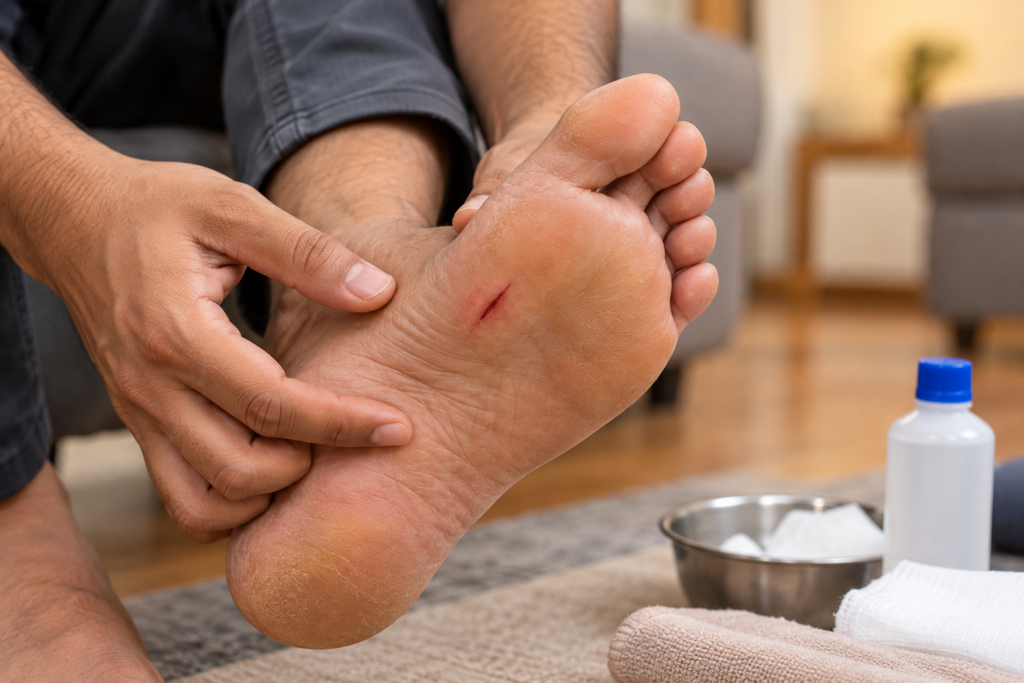
A small foot wound can become serious in someone with diabetes because nerve damage may hide pain, poor circulation can slow healing, and high blood sugar can impair the body’s ability to fight infection. A blister, crack or tiny cut may deepen before it is noticed. Checking the feet daily and seeking early medical assessment can help prevent complications.
Why Can a Small Cut on a Diabetic Foot Become Dangerous?
A wound that looks minor on the surface may involve deeper tissue, especially when pressure continues during walking. Diabetes can affect the nerves, blood vessels and immune response, making foot injuries harder to detect and slower to heal.
Three problems often contribute:
- Reduced sensation: Nerve damage, called diabetic peripheral neuropathy, can make it difficult to feel a cut, blister, burn or pressure injury.
- Reduced blood flow: Peripheral artery disease can limit the oxygen and nutrients needed for tissue repair.
- Higher infection risk: High blood glucose and impaired circulation can make infection harder to control and healing more difficult.
These problems can occur together. A person may continue walking on an injury because it does not hurt, allowing repeated pressure to enlarge the wound.
What Causes Diabetic Foot Wounds?
Understanding diabetic foot ulcer causes helps explain why even a small injury needs attention. Common triggers include:
1. Nerve Damage
Neuropathy may reduce the ability to feel pain, heat, cold or pressure. Tight footwear, a pebble inside a shoe or a minor cut may go unnoticed. Repeated rubbing can then break down the skin.
2. Poor Circulation
Diabetes increases the risk of blood vessel disease. When circulation to the feet is reduced, wounds may receive less oxygen and fewer nutrients. The skin may heal slowly, and severe blood-flow problems can threaten the tissue.
3. Pressure and Friction
Walking on a blister, wearing poorly fitting shoes, or having a foot deformity can concentrate pressure on one area. Thickened skin or a callus may hide tissue damage underneath.
4. High Blood Sugar
Persistently elevated blood glucose can interfere with normal immune function and tissue repair. Good glucose management supports overall health, but it does not replace wound assessment, pressure relief or treatment of infection and poor circulation.
5. Cracked Skin, Fungal Infection and Nail Injuries
Dry, cracked skin can provide an entry point for bacteria. Fungal infections between the toes, ingrown nails and injuries during nail trimming can also lead to skin breaks.
Warning Signs You Should Never Ignore
A diabetic foot wound does not need to be painful to be serious. Check for:
- A cut, blister, crack or open sore that is not healing.
- Redness, warmth or swelling around the wound.
- Pus, fluid, a bad smell or increasing drainage.
- Skin that becomes dark, purple, blue or black.
- New swelling in one foot or a change in foot shape.
- Fever, chills, confusion or feeling unusually unwell.
Seek urgent medical care for a diabetic foot wound with signs of infection, spreading redness, tissue discoloration or rapidly increasing swelling. Fever, confusion or severe illness may indicate a medical emergency. A wound with black tissue, a cold foot or sudden severe pain also requires urgent assessment.
Do not wait for pain to develop. Neuropathy can reduce the usual warning signal.
What Should You Do If You Find a Small Foot Wound?
Take these steps while arranging appropriate medical advice:
- Reduce pressure: Avoid walking on the injured area more than necessary. Use a clinician-recommended offloading method if available.
- Clean it gently: Rinse with clean running water or sterile saline. Avoid harsh chemicals and do not scrub the wound.
- Cover it: Use a clean, sterile, non-stick dressing. Keep the area protected and follow professional instructions for dressing changes.
- Arrange prompt assessment: Contact a healthcare professional experienced in diabetic foot care, even if the wound seems small and painless.
- Monitor changes: Look for spreading redness, swelling, discharge, discoloration or other signs of infection.
Do not cut away calluses, dig into the wound, apply caustic home remedies or soak the foot. Avoid using antibiotics, antiseptics or medicated dressings unless advised by a qualified clinician. Do not put weight on the wound to “test” whether it has healed.
If you suspect infection or poor circulation, do not delay care while trying home treatment.
How Does a Doctor Assess a Diabetic Foot Wound?
A clinician may examine the wound’s size, depth, location and surrounding skin. Assessment may include:
- Sensation testing to check for neuropathy.
- Circulation assessment, including pulses and, when indicated, vascular tests.
- Infection evaluation based on the wound and the person’s overall condition.
- Pressure and footwear review to identify repeated friction or loading.
- Blood glucose and medical history review to identify factors affecting healing.
- Additional tests, such as imaging, when deeper infection or bone involvement is suspected.
Treatment depends on the findings. It may include professional wound care, pressure offloading, management of infection, glucose optimisation and vascular assessment or treatment when blood flow is poor. Antibiotics are used when infection is present or clinically suspected, not simply because a wound exists.
How Can You Prevent Small Foot Injuries?
Daily prevention is especially important for people who have neuropathy, previous ulcers, foot deformities or circulation problems.
- Inspect the tops, soles and spaces between your toes every day. Use a mirror or ask for help if you cannot see the bottom of your feet.
- Wash your feet gently and dry them carefully, especially between the toes.
- Apply moisturiser to dry skin, but avoid putting it between the toes.
- Wear properly fitting footwear and clean socks; check inside shoes before putting them on.
- Avoid walking barefoot, even indoors.
- Trim nails carefully and seek professional help if vision, sensation or nail problems make this difficult.
- Avoid heating pads, hot-water bottles and testing bath temperature with numb feet.
- Attend regular foot checks, particularly if you have had an ulcer or amputation before.
- Work with your healthcare team to manage blood glucose, blood pressure, cholesterol and smoking-related risks.
Prevention cannot eliminate every risk, but it helps identify injuries before they become deeper or infected.
Frequently Asked Questions
Some minor injuries heal, but diabetes-related nerve damage, poor circulation and infection risk can make healing unpredictable. A person with diabetes should contact a healthcare professional promptly about a foot wound rather than relying on appearance or pain to judge its seriousness.
Diabetic peripheral neuropathy can damage the nerves that normally signal pain, pressure and temperature. As a result, a person may not notice an injury or may continue walking on it. A painless wound still needs assessment because the damage may extend deeper than it appears.
Common causes and contributing factors include neuropathy, reduced blood flow, repeated pressure or friction, poorly fitting footwear, skin cracks and high blood glucose. Often, several factors combine. Identifying the underlying cause is essential to treating the wound and reducing the risk of another ulcer.
Seek urgent assessment if the wound has spreading redness, warmth, swelling, pus, a bad smell, dark tissue or rapidly worsening changes. Fever, confusion or feeling severely unwell may indicate an emergency. Do not wait for pain, because nerve damage can mask it.
Avoid caustic remedies, harsh chemicals, soaking and unprescribed medicated products. Gently clean the wound, cover it with a clean non-stick dressing and arrange prompt medical advice. A clinician can recommend appropriate wound care based on the wound’s depth, infection status and circulation.
Conclusion
A small foot wound can become a serious diabetic foot complication when reduced sensation hides the injury, poor circulation slows repair and infection damages surrounding tissue. Daily foot checks, suitable footwear, pressure reduction and early medical assessment are important. If you discover a wound, do not wait for it to hurt or try to treat it entirely at home.
A diabetic foot wound needs early assessment because even a small cut, blister or ulcer can become complicated when nerve damage, poor circulation or infection delays healing. Understanding the available diabetic foot care and treatment services can help patients learn why wound assessment, pressure relief, appropriate dressings and blood sugar management are important. Depending on the wound, a healthcare professional may also recommend diabetic foot ulcer treatment to assess the depth of the injury, check for infection and identify circulation problems. Do not wait for pain to develop, because diabetic neuropathy can make an injury painless. If you notice increasing redness, swelling, discharge, dark skin or a wound that is not healing, seek prompt medical attention instead of relying only on home remedies.