
How Can Blood Flow Restoration Help Improve Foot Circulation?
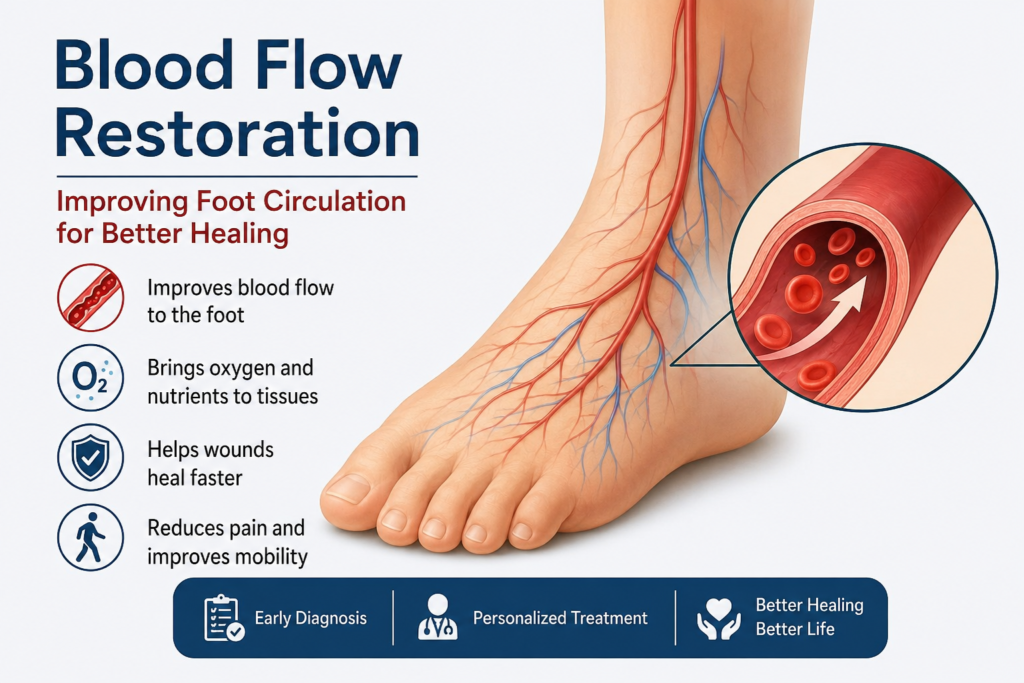
Blood flow restoration for foot problems focuses on improving circulation when reduced blood supply affects the foot, toes, skin, muscles, or wounds. Healthy blood circulation delivers oxygen and nutrients that tissues need to function and heal. When blood flow is reduced, even a small injury can sometimes take longer to heal and may become more difficult to manage.
Poor foot circulation can be associated with peripheral artery disease, diabetes, smoking, high cholesterol, high blood pressure, and narrowing or blockage of the arteries. Therefore, finding the underlying cause is an important first step before deciding on treatment.
At Elegance Diabetic Foot And Ulcers Clinic in Surat, the clinic manages diabetic foot and chronic wound problems through both surgical and non-surgical approaches. Dr. Ashutosh Shah, a board-certified plastic, reconstructive, and cosmetic surgeon with more than 22 years of surgical experience, leads the clinic. His clinical experience includes diabetic foot reconstruction, wound healing, reconstructive surgery, and microsurgical techniques.
What Is Blood Flow Restoration for the Foot?
Blood flow restoration means improving the supply of blood reaching the foot when circulation has been reduced because of narrowed or blocked blood vessels.
The treatment depends on the location and severity of the circulation problem. A doctor may first perform a clinical examination and assess the pulses, skin condition, temperature, sensation, and wound status. Additional tests, such as an ankle-brachial index, Doppler ultrasound, or other vascular imaging, may be recommended when arterial disease is suspected.
Once the cause is identified, an individualized treatment plan can be developed.
What Causes Poor Blood Flow to the Foot?
Several factors can contribute to reduced circulation. Common causes include:
- Peripheral artery disease
- Diabetes and diabetic vascular complications
- High cholesterol
- High blood pressure
- Smoking or tobacco use
- Narrowed or blocked arteries
- Other blood vessel disorders
Diabetes deserves particular attention because nerve damage and reduced blood flow can make foot injuries harder to notice and heal. Early assessment can therefore be important when a person develops a persistent wound or other changes in the foot.
How Can Blood Flow Be Restored to the Foot?
Treatment varies from person to person. Depending on the underlying problem, doctors may consider lifestyle management, medicines, vascular procedures, wound care, or reconstructive treatment.
Lifestyle and Medical Management
For some patients, improving overall vascular health is an important part of treatment. This may include regular physical activity as advised by a doctor, stopping tobacco use, controlling blood sugar, managing cholesterol and blood pressure, and taking prescribed medicines.
These measures may help manage risk factors and reduce the chance of circulation problems progressing.
Angioplasty and Stenting
When an artery is significantly narrowed, a vascular specialist may consider angioplasty. During this minimally invasive procedure, a small balloon is used to widen the narrowed portion of the artery.
In selected cases, a stent may be placed to help keep the artery open. Whether this approach is appropriate depends on the location and severity of the blockage.
Vascular or Reconstructive Surgery
Some patients have complex or extensive vascular problems that require surgical treatment. The appropriate procedure depends on the individual’s vascular condition, wound status, and overall health.
For patients with diabetic foot wounds, improving circulation may be combined with wound debridement, offloading, infection management, reconstructive procedures, or other treatments. Elegance Diabetic Foot And Ulcers Clinic provides both surgical and non-surgical diabetic foot care, including wound management, offloading, and reconstructive approaches.
Can Blood Flow Restoration Help Foot Wounds Heal?
Adequate blood supply is important for wound healing because tissues need oxygen and nutrients for repair. When arterial circulation is significantly reduced, a wound may heal slowly or repeatedly break down.
However, blood flow restoration alone is not always enough. Successful wound management may also require appropriate dressings, infection control, pressure relief, blood sugar management, removal of unhealthy tissue, and regular monitoring.
At Elegance Diabetic Foot And Ulcers Clinic, vascular assessment is included among the approaches used to evaluate diabetic foot problems and suspected circulation issues.
What Are the Signs of Poor Foot Circulation?
Possible signs include:
- Pain in the foot or leg, especially while walking
- Cold feet or toes
- Numbness or tingling
- Pale, bluish, or unusual skin color
- Weak pulses
- Changes in the skin or toenails
- Slow-healing cuts or wounds
- Recurrent foot ulcers
These symptoms can have different causes, so they should not automatically be assumed to be due to poor blood flow. A proper medical assessment is important.
When Should You See a Doctor?
You should seek medical evaluation if you have a foot wound that is not healing, persistent foot pain, unexplained color changes, numbness, unusual coldness, or recurring ulcers.
A suddenly painful, cold, pale, or numb foot can indicate a serious circulation problem and requires urgent medical assessment.
For people with diabetes, regular foot examinations are especially important because nerve and circulation problems can sometimes develop without obvious early symptoms.
Blood Flow Restoration for Foot Problems in Surat
If you are experiencing symptoms of reduced foot circulation or have a persistent diabetic foot wound, an evaluation can help identify whether blood flow, infection, pressure, nerve damage, or another condition is contributing to the problem.
In Surat, Elegance Diabetic Foot And Ulcers Clinic provides dedicated diabetic foot and ulcer care under the guidance of Dr. Ashutosh Shah. With more than 22 years of surgical experience, Dr. Shah has expertise in reconstructive surgery, diabetic foot reconstruction, microsurgery, and chronic wound management. The clinic offers surgical and non-surgical approaches based on the patient’s individual condition.
Key Takeaway
Blood flow restoration for foot problems can play an important role when reduced circulation is contributing to pain, tissue damage, or delayed wound healing. The right treatment depends on the underlying cause and severity of the circulation problem. Early diagnosis, appropriate vascular management, wound care, pressure relief, and diabetes control can help protect the foot and reduce the risk of complications.
Frequently Asked Questions
Blood flow restoration involves treating reduced blood supply to the foot. Depending on the cause, treatment may include lifestyle measures, medicines, vascular procedures, or surgery.
Yes. Reduced blood supply can interfere with tissue healing and may contribute to persistent or slow-healing wounds, particularly when other conditions such as diabetes are present.
Sometimes. Depending on the severity and cause, doctors may recommend lifestyle changes and medical treatment. Significant arterial blockages may require a vascular procedure or surgery.
A doctor may assess the foot clinically and use tests such as an ankle-brachial index, Doppler ultrasound, or vascular imaging to evaluate circulation.
Severe circulation problems can be serious because inadequate blood supply may damage tissues and interfere with wound healing. Early medical evaluation can help identify the problem and determine appropriate treatment.