
Diabetic Foot Ulcer Recurrence: How to Stop It Returning
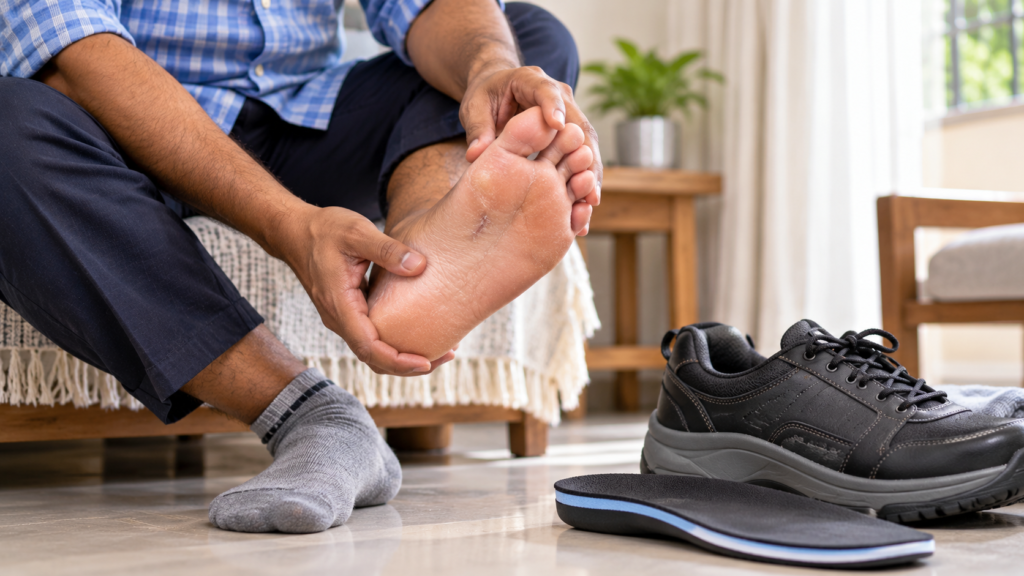
A diabetic foot ulcer can return even after the wound has closed, especially if the original cause-such as pressure, poor footwear, reduced sensation or circulation problems-has not been addressed. Preventing diabetic foot ulcer recurrence requires more than keeping the skin clean: it includes daily foot checks, suitable footwear, pressure relief, diabetes management and regular clinical follow-up. A healed wound should be treated as a reason to continue prevention, not as a sign that foot risk has disappeared.
Why can a diabetic foot ulcer return after it heals?
A wound may close while the underlying risk remains. For example, a pressure point under the foot can continue to develop with every step, even when the skin looks normal.
Common reasons an ulcer may return include:
- Pressure from walking: Repeated pressure over the same area can damage fragile skin.
- Loss of protective sensation: Neuropathy may prevent a person from feeling friction, heat or an injury.
- Poorly fitting footwear: Tight shoes, rough seams or worn insoles can create pressure points.
- Foot deformities: Bunions, prominent joints or changes in foot shape can concentrate pressure.
- Circulation problems: Reduced blood flow can affect tissue health and wound healing.
- Callus formation: Thickened skin can hide damage beneath its surface.
- Inconsistent foot checks: Small cuts, blisters or colour changes may go unnoticed.
- Previous ulcer or amputation: A history of foot complications increases the need for preventive care.
If an ulcer repeatedly develops in the same place, the clinical team should reassess pressure, footwear, sensation and circulation rather than treating each episode as an isolated wound.
What should you do after a diabetic foot ulcer closes?
Healing is an important milestone, but the foot may remain vulnerable. Continue the care plan recommended by your clinician, including offloading or pressure-relieving measures when prescribed.
After closure:
- Attend the recommended follow-up appointments.
- Ask when and how to return to normal walking or work activities.
- Continue using prescribed footwear or insoles.
- Check the healed area every day.
- Avoid walking barefoot, including indoors.
- Keep the skin clean and moisturised, but avoid applying cream between the toes.
- Report any new redness, swelling, blistering, drainage or skin breakdown promptly.
- Continue managing blood glucose and other health factors with your care team.
Do not stop using prescribed offloading devices or therapeutic footwear simply because the wound appears closed. Ask your clinician when changes are safe.
The daily foot check in diabetes
A daily foot check in diabetes can help identify a problem before it becomes a larger wound. Check both feet under good lighting, including areas that are difficult to see.
Daily foot check checklist
| Area to check | What to look for | What to do |
|---|---|---|
| Soles and heels | Redness, cracks, blisters or skin breakdown | Seek prompt advice for a new wound |
| Toes and between toes | Moisture, cracks, colour changes or rubbing | Keep the spaces clean and dry |
| Previous ulcer site | New redness, swelling, callus or skin damage | Contact the clinical team if changes appear |
| Toenails | Ingrown edges, cuts or inflammation | Seek professional nail care if sensation or vision is reduced |
| Foot shape | New swelling or changes in shape | Arrange urgent assessment for a hot, swollen foot |
| Socks and footwear | Dampness, holes, folds or rough seams | Change or correct the source of rubbing |
Use a mirror to inspect the soles if needed. If you cannot see or safely reach your feet, ask a trusted person or healthcare professional for help.
Important: Do not rely on pain alone. Neuropathy can make a serious injury painless.
How can footwear prevent another ulcer?
Footwear plays an important role after an ulcer has healed, especially if the wound was caused by repeated pressure.
Your clinician may recommend therapeutic shoes, custom insoles or a specific pressure-relieving device based on the location of the previous ulcer and your foot shape.
Check footwear for:
- Adequate length and width
- Space around the toes
- A smooth internal lining
- No rough seams or hard edges over pressure points
- Insoles that sit flat and are not worn or folded
- A secure fit without excessive rubbing
- Enough room for any prescribed orthotic or insole
Inspect the inside of each shoe before putting it on. Small stones, folded linings or damaged insoles can injure a foot with reduced sensation.
Avoid walking barefoot or using thin slippers that provide little protection. If a previous ulcer developed under the ball of the foot or heel, ask whether pressure assessment and specialised footwear are appropriate.
What does pressure relief mean after an ulcer heals?
Pressure relief, also called offloading, means reducing the repeated force on the area that has been injured. The right approach depends on the ulcer’s location, healing status, foot structure and activity level.
Options may include:
- Therapeutic footwear
- Custom insoles
- Specialised orthoses
- A prescribed offloading device
- Adjustments to daily activity while the foot recovers
Do not choose an offloading device or modify footwear on your own if you have an active wound or a history of complicated ulcers. An inappropriate device can create new pressure points or affect balance.
If the same area repeatedly breaks down, ask your clinician whether a pressure assessment would help guide footwear and offloading decisions.
How does blood glucose control affect ulcer prevention?
Blood glucose management is one part of protecting long-term foot health. Persistently high glucose can contribute to nerve damage and other complications, while circulation problems and other medical conditions can also affect healing.
To support prevention:
- Follow your prescribed diabetes treatment plan.
- Attend routine diabetes reviews.
- Discuss glucose readings that are frequently outside your target range.
- Avoid smoking and seek support to stop if needed.
- Follow advice about blood pressure and cholesterol.
- Eat a balanced diet suited to your individual health needs.
- Keep follow-up appointments for foot and circulation assessments.
There is no single glucose target suitable for every person. Your clinician can help set goals based on your health and treatment plan.
How often should your feet be checked professionally?
The follow-up schedule depends on your level of risk. People with a previous foot ulcer need more than occasional self-checks because the risk of another ulcer can remain high after healing.
Clinical review may include:
- Inspection of the previous ulcer site
- Assessment of protective sensation
- Checking foot pulses and circulation
- Review of footwear and pressure points
- Assessment of calluses and foot deformities
- Review of previous wounds and any amputation history
- Advice about activity, footwear and pressure relief
Ask your clinician how frequently you should return. Do not wait for a routine appointment if a new wound, swelling or colour change appears.
When should you seek urgent medical attention?
Contact a healthcare professional promptly if you notice:
- A new blister, cut or open area
- Redness or swelling around the previous ulcer
- Drainage or pus
- A foul smell from a wound
- Increasing warmth or tenderness
- A foot that suddenly becomes hot and swollen
- Black, blue or unusually pale skin
- A wound that is not improving
A hot, swollen foot in a person with diabetes needs urgent assessment, even if it is not painful. Sudden changes may indicate a serious problem, including infection or acute Charcot neuro-osteoarthropathy.
Seek emergency care if you develop severe illness, rapidly spreading redness, confusion, faintness or other symptoms suggesting a serious infection.
How can you manage diabetic foot care at home safely?
Diabetic foot care at home should focus on inspection, gentle hygiene and preventing injury—not on treating a new ulcer without professional advice.
A safe routine includes:
- Wash your feet gently with lukewarm water.
- Dry carefully, particularly between the toes.
- Apply moisturiser to dry skin, but not between the toes.
- Avoid heating pads, hot-water bottles and very hot water.
- Do not cut calluses or corns yourself.
- Avoid chemical corn removers unless specifically directed by a qualified clinician.
- Wear suitable footwear indoors and outdoors.
- Check your feet after activities that involve prolonged walking or standing.
If you find a wound, do not apply harsh antiseptics, powders or home remedies without professional guidance. Cover and protect the area as advised by a clinician and arrange prompt assessment.
For further support, visit the clinic’s Diabetic Foot Conditions resources and ask your care team which follow-up service is appropriate for your situation.
Frequently Asked Questions
Yes. An ulcer can return if pressure, neuropathy, poor footwear or circulation problems persist. The healed skin may remain vulnerable, particularly at the site of the previous wound. Daily inspection, appropriate therapeutic footwear, pressure relief and regular clinical follow-up can help reduce recurrence risk.
Check both feet every day, including the previous ulcer site, soles, heels, toes and spaces between the toes. Look for redness, swelling, blisters, cracks or colour changes. People with a previous ulcer should also follow an individual clinical review schedule and seek advice promptly if a new problem appears.
You may need to continue wearing prescribed therapeutic footwear or insoles after the wound closes, especially if pressure contributed to the ulcer. Do not stop or change the footwear plan without advice from your clinical team. The appropriate shoe depends on foot shape, ulcer location, sensation and pressure risk.
Yes. Repeated pressure on the same area can damage skin that has recently healed, particularly if sensation is reduced or footwear does not fit properly. Follow your clinician’s advice about returning to activity, use prescribed pressure-relieving footwear and report any new redness or skin breakdown.
Protect the area from further pressure and rubbing, do not pop the blister, and seek prompt clinical assessment. A blister on a foot with diabetes may become an ulcer, particularly when neuropathy is present. Do not wait for pain or drainage before getting advice.
No. Good diabetes management supports overall health, but it does not remove every risk associated with neuropathy, foot deformity, pressure or circulation problems. Recurrence prevention also requires daily checks, suitable footwear, pressure relief and regular clinical follow-up.
Key takeaway
A closed diabetic foot ulcer can return if the pressure or other risk factors that caused it remain. Keep checking your feet daily, use the footwear and pressure-relief measures recommended by your clinician, manage diabetes as advised and attend follow-up appointments. A new blister, wound, colour change or hot, swollen foot deserves prompt assessment-even when it does not hurt.