
Callus and Corn Care in Pal, Surat: Procedure, Recovery and Cost Factors
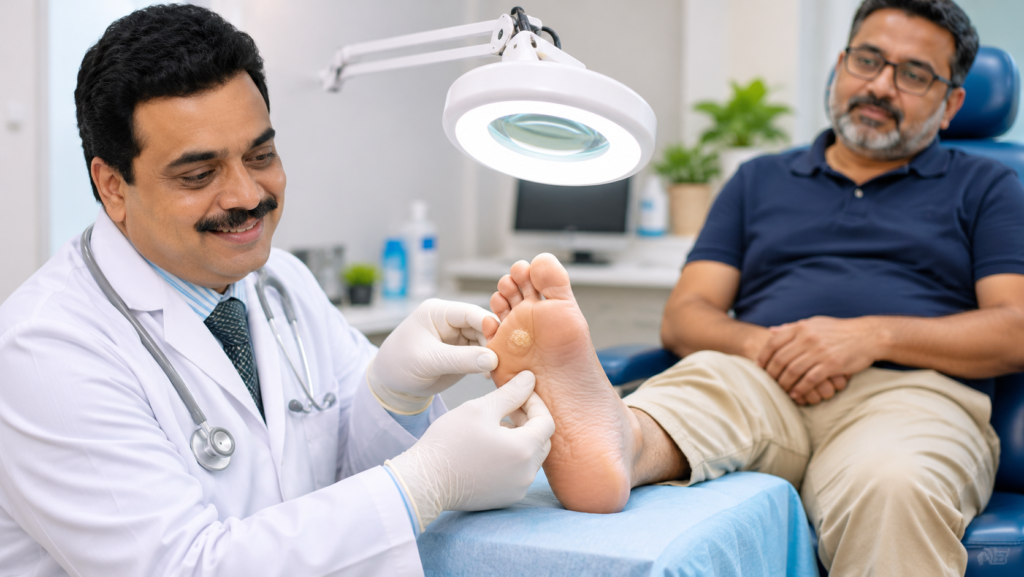
Callus and corn care in pal surat begins with a specialist examining thickened skin, pressure points, foot sensation and circulation. Treatment may involve careful removal of excess skin, footwear changes and follow-up visits. People with diabetes need additional precautions because a callus can conceal an underlying wound.
What Is Callus and Corn Care and Who Is It For?
A callus is an area of thickened skin that develops because of repeated pressure or friction. A corn is usually smaller, more concentrated and may cause discomfort when pressed.
These conditions commonly affect the soles, heels and toes. Tight shoes, altered walking patterns and foot deformities can increase pressure on particular areas.
In people with diabetes, calluses require special attention because nerve damage may reduce the ability to feel pain.
A patient may continue walking on a high-pressure area without realizing that the skin underneath is becoming damaged.
Professional assessment is particularly important for people with:
- Recurrent corns or calluses.
- Diabetes-related numbness or tingling.
- Previous diabetic foot ulcers.
- Thickened skin with dark discoloration.
- Foot deformities or abnormal pressure points.
- Pain while walking or difficulty wearing shoes.
Not every corn or callus needs surgery. Many patients benefit from professional skin reduction and pressure management.
However, bleeding beneath a callus, broken skin or suspected infection requires prompt medical assessment.
Avoid cutting thickened skin with blades or using chemical corn-removal products without professional guidance, particularly when diabetes or poor circulation is present.
For more information about procedural options, see excision of corn and callus.
How the Procedure Is Done, Step by Step
Treatment begins by identifying why the corn or callus formed. Simply removing thickened skin without correcting pressure may allow the problem to return.
Step 1: Consultation and Foot Examination
The specialist reviews symptoms, diabetes history, previous wounds and footwear habits.
The examination may include skin inspection, protective sensation testing and assessment of blood circulation.
If an underlying ulcer or infection is suspected, further investigations may be necessary.
Step 2: Identifying Pressure Points
Repeated friction and pressure are major causes of corns and calluses.
The doctor checks the location of thickened skin, toe alignment, footwear fit and any deformity that may concentrate pressure.
Understanding the cause helps determine the most suitable treatment.
Step 3: Professional Callus Reduction
When clinically appropriate, a trained professional may carefully reduce thickened skin using suitable instruments.
This is different from attempting removal at home.
Patients with diabetes require additional precautions because reduced sensation can make accidental injuries difficult to notice.
If an ulcer is discovered, the treatment plan changes to address wound care and pressure relief.
Step 4: Footwear and Pressure Management
After treatment, the specialist may recommend properly fitted footwear, pressure-relieving insoles or other modifications.
Patients with active diabetic foot ulcers may need prescribed offloading devices rather than ordinary cushioned shoes.
The correct approach depends on ulcer location, infection, circulation and individual circumstances.
Step 5: Follow-Up Assessment
Follow-up visits help determine whether the skin is improving and whether pressure continues.
Recurring calluses may indicate that footwear or walking pressure needs further attention.
Read about related risks in diabetic foot callus.
Recovery: What the First Weeks Look Like
Recovery depends on the treatment performed and whether the skin remains intact.
Simple professional callus reduction is different from surgery or treatment of an underlying ulcer. Consequently, patients should not expect identical recovery periods.
Immediately After Treatment
The specialist examines the treated area and provides instructions about walking, footwear and skin care.
Some patients may require protective dressings, depending on the procedure and skin condition.
During the First Few Days
Patients should follow footwear recommendations and avoid excessive pressure on the treated area.
Inspect both feet daily for redness, swelling, blisters or skin damage.
If a dressing is applied, follow the clinician’s instructions rather than changing it unnecessarily.
Avoid chemical corn plasters, sharp tools and unprescribed home remedies.
During the Following Weeks
The specialist may review the treated area to check for recurrent thickening or pressure.
Patients with neuropathy, poor circulation or previous ulcers may need closer monitoring.
If a wound develops, healing may require a separate treatment plan involving dressings, offloading and other appropriate care.
Seek urgent assessment for spreading redness, discharge, fever, black discoloration or rapidly worsening symptoms.
Quick Facts: Procedure and Recovery
| Factor | Details |
|---|---|
| Procedure duration | [Doctor to confirm] |
| Anaesthesia | [Doctor to confirm, if required] |
| Hospital stay | [Doctor to confirm, if applicable] |
| Return to work | [Doctor to confirm based on treatment and mobility] |
| Follow-up visits | [Clinic to confirm] |
| Recovery time | [Doctor to confirm] |
| Footwear advice | Based on pressure points and individual foot risk |
These details must be confirmed before publication because treatment requirements differ between patients.
Which Factors Change the Cost?
The cost of callus and corn treatment depends on the condition’s complexity, required investigations, procedure type and follow-up care.
A straightforward professional assessment may involve different expenses from surgery or treatment of an underlying diabetic foot ulcer.
Severity and Number of Lesions
Multiple or recurrent lesions may require more detailed examination and ongoing pressure management.
Additional Investigations
Patients with suspected infection, poor circulation, or deeper tissue damage may need investigations beyond the initial consultation.
Not everyone requires the same tests.
Treatment Method
Professional callus reduction, surgical removal and ulcer management involve different procedures.
Surgery is not automatically necessary for every corn or callus.
For additional information, read about corn removal surgery.
Footwear and Follow-Up
Specialized footwear, insoles, dressings or offloading devices may affect total treatment expenses.
Patients should ask whether consultation, procedures, investigations and follow-up visits are included in the estimate.
A written estimate based on clinical assessment is more reliable than a fixed price that does not consider individual needs.
Callus and Corn Care in Pal Surat: Planning Your Visit
Patients considering treatment should arrange a consultation to determine whether the thickened skin is a simple pressure lesion or a sign of an underlying diabetic foot problem.
Bring relevant diabetes records, medication details and previous treatment reports.
Wearing regularly used shoes may help the specialist assess potential pressure and fitting issues.
Explain whether the lesion causes discomfort, repeatedly returns or has previously developed into a wound.
Before travelling, confirm the appointment, clinic address and any investigations required.
Do not postpone urgent care for rapidly spreading infection, fever, a blackening toe or sudden circulation-related symptoms.
Questions to Ask Before You Decide
Before treatment, ask whether the thickened skin is a corn, callus or possible underlying ulcer.
Discuss the cause of repeated pressure and whether footwear changes could prevent recurrence.
Patients should also understand the proposed procedure, potential complications, expected recovery and follow-up arrangements.
For people with diabetes, it is important to ask whether neuropathy or circulation problems affect the treatment plan.
Frequently Asked Questions
The appointment length depends on the examination, number of affected areas and treatment required. Simple callus reduction may take a different amount of time from surgery or ulcer care. Patients should allow time for foot assessment and footwear advice.
Follow-up frequency depends on diabetes-related risks, previous ulcers and recurrence. Patients seeking callus and corn care in pal surat may need closer monitoring when neuropathy or persistent pressure is present. The specialist should recommend an individualized schedule after examination.
An online consultation may help discuss symptoms, medical history and photographs if the clinic offers this service. However, it cannot replace a physical examination of circulation, sensation or suspected ulceration. Patients with signs of infection or tissue damage should arrange an appropriate in-person assessment.
Travel suitability depends on the procedure, skin condition, walking ability and pressure-relief requirements. Some patients may need restrictions after surgery or ulcer treatment. Discuss long journeys with the treating specialist, especially when an offloading device is prescribed.
Thickened skin may be reduced during treatment, but lasting improvement depends on correcting the underlying pressure. Corns and calluses can return when footwear problems or abnormal loading continue. People with diabetes should maintain regular foot checks and attend follow-up appointments.
Conclusion
Callus and corn care involves identifying the cause of thickened skin, reducing excessive pressure and preventing further injury.
For people with diabetes, professional assessment is particularly important because reduced sensation may hide an underlying wound.
Dr. Ashutosh Shah can evaluate the condition and recommend an individualized treatment and follow-up plan.
For appointment information, visit contact us.