
Which warning signs mean you need diabetic foot ulcer care?
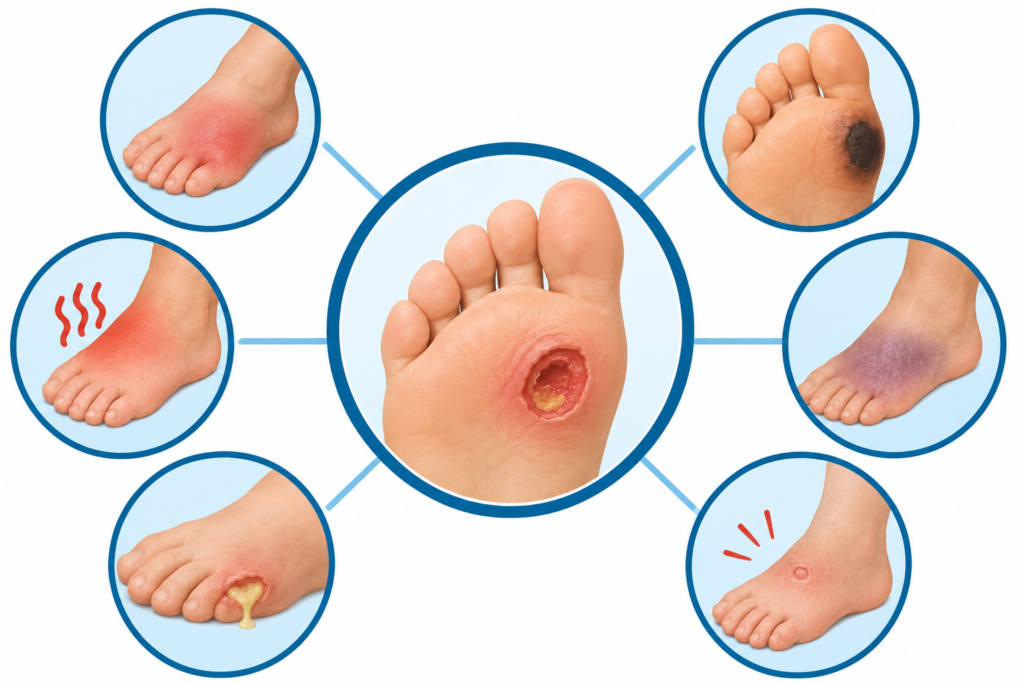
A diabetic foot needs urgent attention when there is a new wound, redness, swelling, warmth, bad smell, discharge or a change in skin colour. Because nerve damage can reduce pain, a painless wound can still be serious. Same-day medical assessment is advised when concerning signs appear, and severe symptoms require emergency care.
Recognising diabetic foot ulcer care warning signs early can help prevent infection, deeper tissue damage and avoidable complications. Diabetes may affect nerves, circulation and the body’s ability to heal wounds. Therefore, even a small blister or cut deserves attention.
Dr. Ashutosh Shah provides diabetic foot assessment and treatment planning based on the patient’s wound condition and medical needs.
Which Foot Changes Should Be Checked Daily?
People with diabetes should examine both feet every day, particularly if they have reduced sensation, previous ulcers or circulation problems.
A daily inspection helps identify changes that might otherwise go unnoticed.
Check the skin carefully
Look for cuts, cracks, blisters, redness, swelling and changes in skin colour.
Pay particular attention to the soles, heels, toes and spaces between the toes.
Use a mirror or ask a family member for assistance if you cannot see the bottom of your feet.
Look for pressure-related changes
Thick calluses, corns and areas of repeated friction may indicate excessive pressure.
In people with neuropathy, continued pressure can damage deeper tissues even when the skin initially appears intact.
Avoid cutting calluses or using chemical corn removers without professional advice.
Watch for discharge and unusual moisture
Fluid leaking from a wound, staining on socks or persistent moisture around damaged skin can indicate a developing problem.
Cloudy discharge, pus or an unpleasant smell requires prompt medical evaluation.
Daily Foot-Check Checklist
| Area | What to look for | Recommended action |
|---|---|---|
| Toes | Blisters, black spots, cuts, colour changes | Seek urgent assessment for new blackening or sudden colour change |
| Sole | Open wounds, thick calluses, redness | Avoid pressure and arrange medical review |
| Heel | Cracks, swelling, skin breakdown | Protect the area and seek advice |
| Between toes | Moisture, peeling, cracks, discharge | Dry gently and report concerning changes |
| Toenails | Ingrown nails, surrounding redness, swelling | Avoid self-treatment and consult a clinician |
| Entire foot | Unusual warmth, swelling, sudden colour changes | Seek same-day assessment |
| Socks and footwear | Blood stains, discharge, pressure marks | Inspect the foot and identify the cause |
These checks are particularly important because early diabetic foot ulcer care warning signs may develop without noticeable pain.
Why Can a Serious Wound Feel Painless?
Diabetes can cause peripheral neuropathy, a condition that damages nerves responsible for sensation.
As a result, a person may not feel pain from a cut, blister or pressure injury.
How neuropathy affects wound detection
Normally, pain encourages someone to protect an injured area.
However, reduced sensation can allow a person to continue walking on a damaged foot.
Repeated pressure may then worsen the injury.
For example, a small blister caused by tight footwear can gradually develop into an ulcer if the underlying pressure continues.
Does a painless wound mean it is harmless?
No. Pain intensity does not reliably indicate the severity of a diabetic foot wound.
A wound may be deep or infected despite causing little discomfort.
The absence of pain should never be used as a reason to delay examination.
Learn more about the risks of a painless diabetic foot ulcer.
What should patients do?
If you notice a new wound, stop activities that place unnecessary pressure on the affected area and seek medical advice.
Keep the wound protected with an appropriate clean dressing until it can be assessed.
Do not assume that home treatment is sufficient simply because the wound does not hurt.
Which Signs Need a Same-Day Visit for Diabetic Foot Ulcer Care in Citylight Surat?
Certain changes suggest that a diabetic foot wound may be worsening or developing complications.
Recognising these diabetic foot ulcer care warning signs helps patients understand when medical assessment should not be delayed.
1. Increasing redness and swelling
Redness spreading around a wound may indicate inflammation or infection.
Swelling accompanied by warmth, tenderness or discharge also requires assessment.
2. Pus or unpleasant wound odour
Pus may indicate infection.
An unpleasant smell can occur for different reasons, including infected or unhealthy tissue.
Neither symptom should be ignored.
3. Black or darkened tissue
New blackening may indicate tissue damage or impaired circulation.
A black spot on a toe, particularly when accompanied by coldness or sudden colour change, requires urgent evaluation.
4. Fever or feeling unwell
Fever, chills, weakness or confusion alongside a foot wound may indicate a serious infection.
Seek emergency care if systemic symptoms are severe or rapidly worsening.
5. Rapid wound enlargement
An ulcer that becomes larger, deeper or more heavily draining requires prompt reassessment.
Delayed healing may also indicate inadequate pressure relief, poor circulation or an unrecognised infection.
When is emergency treatment necessary?
Seek emergency medical attention for rapidly spreading redness, severe infection symptoms, extensive blackening, sudden loss of circulation or a rapidly deteriorating foot.
Do not wait for a routine clinic appointment.
Dr. Ashutosh Shah can evaluate diabetic foot complications and determine whether further investigations, wound treatment or urgent referral are necessary.
What Should You Not Do at Home?
Home care can support prevention, but inappropriate self-treatment may worsen a diabetic foot wound.
Patients should avoid the following practices.
Do not burst blisters
A blister protects the underlying skin.
Bursting it can introduce bacteria and create an open wound.
If a blister develops, protect it from pressure and seek medical advice.
Do not cut calluses or dead skin
Using blades, scissors or sharp instruments can cause injury, especially when sensation is reduced.
Callus management should be performed by an appropriately trained professional.
Do not apply unprescribed chemicals
Avoid using harsh antiseptics, powders, acids or traditional remedies directly on an open wound without medical advice.
Some substances can irritate tissues or interfere with appropriate wound management.
Do not soak an ulcerated foot
Prolonged soaking may soften surrounding skin and increase the risk of further damage.
Follow the clinician’s instructions for cleaning and dressing.
Do not continue walking on an ulcer
Pressure on a wound, particularly on the sole, can delay healing.
A specialist may recommend offloading footwear, a cast or another pressure-relieving device.
Do not delay treatment
Waiting for pain to develop can be dangerous because neuropathy may reduce sensation.
If diabetic foot ulcer care warning signs appear, arrange timely medical assessment rather than relying only on home remedies.
How Can Families Help With Daily Checks?
Family members can play an important role in identifying diabetic foot problems early, particularly when patients have limited mobility or poor eyesight.
Establish a daily inspection routine
Choose a consistent time to examine both feet.
Check the soles, heels, toes and spaces between the toes.
A family member can assist with areas that are difficult to see.
Monitor footwear
Inspect shoes for stones, rough seams and objects that may injure the skin.
Encourage properly fitted footwear and avoid barefoot walking.
Support diabetes management
Help patients follow their prescribed medication, nutrition and blood glucose monitoring plans.
Good diabetes management supports overall health and wound-care planning.
Keep medical records organised
Maintain a record of wound changes, prescribed dressings, medications and appointment dates.
Photographs may help document visible changes when recommended by the treating clinician, but they cannot replace examination.
Arrange follow-up care
Patients who require specialist assessment can discuss appointment arrangements through the clinic’s contact us page.
For information about additional consultation locations, see diabetic foot ulcer treatment in kim and diabetic foot ulcer treatment in vapi.
Frequently Asked Questions
A new black spot on a diabetic toe may indicate tissue damage, impaired circulation or another serious condition. It requires urgent medical assessment, particularly if the toe becomes cold, swollen or discoloured. Do not attempt to remove the affected skin or wait for pain to develop before seeking help.
No. Bursting a blister can expose the underlying skin and increase the risk of infection. People with diabetes should protect the blister from pressure and arrange medical assessment. Avoid cutting away the covering skin or applying unprescribed products. A specialist can determine whether additional wound care is necessary.
Avoid applying antiseptic powder to an open diabetic foot wound unless specifically recommended by your treating clinician. Some products may irritate tissue or interfere with appropriate wound management. Keep the wound protected with a suitable dressing and seek professional advice about cleaning, infection assessment and dressing changes.
An unpleasant smell may indicate infection, unhealthy tissue or other wound complications. It is an important symptom among diabetic foot ulcer care warning signs. Patients seeking diabetic foot ulcer care in citylight surat should arrange prompt assessment, especially when odour occurs with discharge, redness, swelling or fever.
People with diabetes should inspect both feet every day, especially when they have neuropathy, circulation problems or a history of ulcers. Check the soles, heels, toes and spaces between the toes. Family members can assist when needed. Any new wound, blister or concerning colour change requires medical attention.
Conclusion
Recognising diabetic foot ulcer care warning signs can help patients seek treatment before complications become severe.
Daily foot inspection, appropriate footwear, blood glucose management and timely specialist assessment are essential components of prevention.
A painless wound can still be serious. Therefore, new ulcers, spreading redness, discharge, blackening tissue or rapid deterioration should never be ignored.
Dr. Ashutosh Shah can assess diabetic foot concerns and discuss suitable treatment options based on the patient’s clinical condition.