
Diabetic Foot Ulcer Care in Katargam, Surat: Procedure, Recovery and Cost Guide
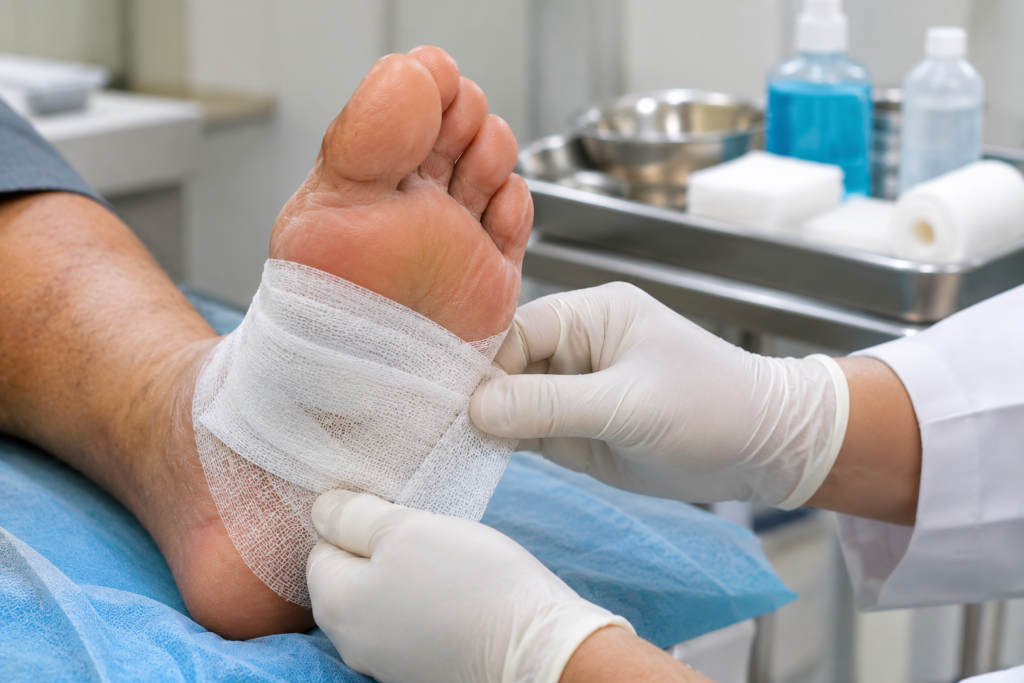
Diabetic foot ulcer care in Katargam surat involves specialist wound assessment, infection management, advanced dressings, pressure relief and blood sugar control. Patients with slow-healing diabetic wounds may require debridement or other procedures. Dr. Ashutosh Shah at Elegance Diabetic Foot And Ulcers Clinic provides personalised wound care and treatment planning for patients in Surat.
What Is a Diabetic Foot Ulcer?
A diabetic foot ulcer is an open wound that commonly develops on the toes, heel, sole or other pressure-bearing areas of the foot. People with diabetes are more likely to develop these wounds because of nerve damage, reduced circulation and repeated pressure.
Diabetic ulcers may initially appear small or painless. However, delayed treatment can lead to infection, deeper tissue damage and serious complications.
Common causes include:
- Diabetic neuropathy: Reduced sensation makes minor injuries difficult to notice.
- Poor circulation: Reduced blood flow can delay healing.
- High blood sugar: Poor glucose control may interfere with wound recovery.
- Improper footwear: Tight shoes can create friction and pressure.
- Foot deformities: Changes in foot shape can increase pressure on vulnerable areas.
Early examination is essential, even when a wound does not cause pain.
Why Is Diabetic Foot Ulcer Care in Katargam Surat Important?
Early diabetic foot ulcer care in Katargam surat helps identify wound infections, circulation problems and excessive pressure before complications become more severe.
Without appropriate treatment, a diabetic foot ulcer may extend into deeper tissues, including tendons and bones.
Warning Signs That Need Medical Attention
- An open wound that is not improving
- Redness or swelling around the ulcer
- Yellow or green discharge
- Unpleasant wound odour
- Black or discoloured tissue
- Increasing wound depth
- Fever or spreading infection
Important: Fever, rapidly spreading redness, black tissue or sudden deterioration requires urgent medical evaluation.
How Is Diabetic Foot Ulcer Treatment Performed?
At Elegance Diabetic Foot And Ulcers Clinic, Dr. Ashutosh Shah evaluates the wound and recommends treatment according to its severity, circulation, infection status and underlying causes.
1. Complete Foot and Wound Assessment
The first step involves examining the ulcer’s size, depth, surrounding skin, circulation and nerve sensation.
The doctor may recommend blood sugar testing, HbA1c, vascular studies or imaging when necessary.
2. Wound Cleaning and Debridement
Dead or damaged tissue can interfere with healing.
When clinically appropriate, debridement removes unhealthy tissue and helps prepare the wound for further treatment.
The method depends on the wound condition and blood supply.
3. Specialised Diabetic Wound Dressing
Appropriate wound dressings protect the ulcer, absorb excess drainage and maintain a suitable healing environment.
Dressing frequency depends on wound depth, drainage, infection and the type of material used.
Antibiotics are prescribed when there is evidence of clinical infection.
4. Pressure Relief and Offloading
Continuous pressure on an ulcer can delay healing.
Depending on the wound, treatment may involve:
- Specialised diabetic footwear
- Offloading walkers
- Therapeutic casts
- Custom orthotic devices
- Surgical offloading in selected cases
5. Blood Sugar and Infection Management
Maintaining appropriate blood glucose levels supports wound healing.
Patients may require diabetes medication adjustments, nutritional support and infection management under medical supervision.
6. Advanced Wound Treatment
Some complex wounds require advanced procedures such as:
- Negative pressure wound therapy
- Surgical debridement
- Vascular intervention
- Reconstructive procedures
- Skin grafting in selected cases
Not every patient requires surgery. Treatment is individualised according to clinical findings.
What Is the Recovery Time for Diabetic Foot Ulcers?
Recovery depends on ulcer depth, blood circulation, infection, pressure relief and blood glucose management.
| Wound condition | General healing expectations |
|---|---|
| Small superficial ulcer | May heal within several weeks |
| Deep diabetic ulcer | May require weeks to months |
| Infected ulcer | Depends on infection control and tissue damage |
| Ulcer with poor circulation | May require vascular treatment |
| Chronic non-healing ulcer | May need advanced wound care |
These are general expectations, not guaranteed recovery periods.
Regular follow-up helps the doctor monitor healing progress and modify treatment when necessary.
What Is the Cost of Diabetic Foot Ulcer Care in Katargam Surat?
The cost of diabetic foot ulcer care in Katargam surat depends on the wound’s severity, diagnostic investigations, dressing requirements and whether advanced procedures are needed.
Factors Affecting Treatment Cost
| Treatment | Cost considerations |
|---|---|
| Initial consultation | Specialist examination and assessment |
| Blood tests | Glucose, HbA1c and other investigations |
| Wound dressing | Materials and dressing frequency |
| Debridement | Complexity of the procedure |
| Offloading footwear | Device type and customisation |
| Advanced wound care | Treatment method and equipment |
| Surgery | Procedure complexity and hospitalisation |
| Follow-up | Number and frequency of visits |
A personalised treatment estimate can be provided after wound examination.
Dr. Ashutosh Shah – Diabetic Foot and Reconstructive Surgeon
Dr. Ashutosh Shah is a plastic and reconstructive surgeon with more than 22 years of surgical experience.
His qualifications include M.S., M.Ch. and D.N.B., and he has been practising since 2004.
At Elegance Diabetic Foot And Ulcers Clinic, his work includes:
- Diabetic foot ulcer management
- Chronic non-healing wound treatment
- Wound debridement
- Surgical offloading
- Reconstructive procedures
- Diabetic foot complication management
His treatment approach focuses on identifying the underlying causes of wounds, supporting healing and reducing the risk of recurrence.
Where Can Katargam Patients Get Diabetic Foot Ulcer Treatment?
Patients looking for diabetic foot ulcer care in Katargam surat can arrange specialist consultation at Elegance Diabetic Foot And Ulcers Clinic’s Surat centres.
Adajan Centre
204, Trinity Business Park, Madhuvan Circle, L. P. Savani Road, Adajan, Surat – 395009.
Vesu Centre
320, Times Square, Canal Road, Bharthana, near G. D. Goenka International School, Vesu, Surat – 395007.
Appointment: +91 88490 66499
Patients should confirm appointment availability before visiting.
How Can Patients Prevent Diabetic Foot Ulcers?
Preventing recurring wounds is an important part of long-term diabetic foot care.
Follow these precautions:
- Inspect both feet daily for cuts, blisters and swelling.
- Wear properly fitted protective footwear.
- Avoid walking barefoot.
- Follow your diabetes management plan.
- Keep feet clean and dry.
- Avoid cutting corns or calluses at home.
- Attend regular diabetic foot examinations.
- Seek medical advice promptly for new wounds.
Patients who have previously experienced a diabetic foot ulcer should continue preventive foot care even after the wound heals.
Conclusion
Timely diabetic foot ulcer care in Katargam surat can help patients receive appropriate wound treatment and reduce the risk of serious complications.
Successful wound management involves specialist assessment, infection control, suitable dressings, pressure relief, blood glucose management and regular follow-up.
Dr. Ashutosh Shah at Elegance Diabetic Foot And Ulcers Clinic provides individualised diabetic foot wound assessment and treatment planning.
Book a consultation with Elegance Diabetic Foot And Ulcers Clinic for specialist diabetic foot care.
Frequently Asked Questions
Patients looking for diabetic foot ulcer care in Katargam, Surat can consult Dr. Ashutosh Shah at Elegance Diabetic Foot And Ulcers Clinic’s Surat centres. Treatment may include wound examination, specialised dressing, pressure relief and surgical care when necessary.
Yes. Some diabetic foot ulcers heal with appropriate dressings, pressure relief, blood sugar management and infection treatment. Deep, infected or non-healing ulcers may require debridement or other procedures. The decision depends on clinical assessment.
Dressing frequency depends on wound drainage, infection and the dressing material used. Some wounds need daily dressing, while others can safely remain covered longer under medical guidance. Patients should follow their treating clinician’s instructions.