
How should families care for the foot at home during diabetic footwear advice?
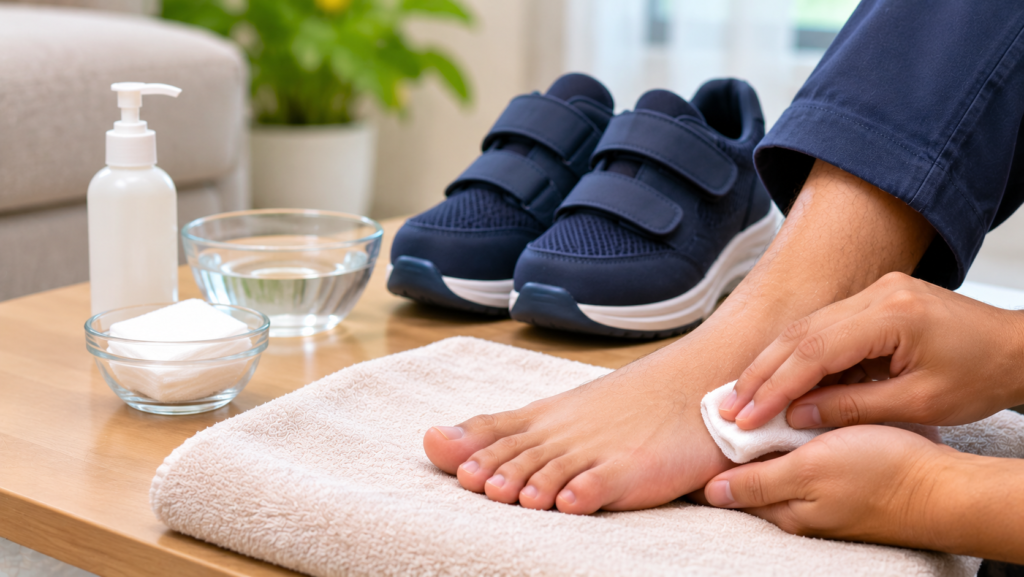
Home care during diabetic footwear advice means keeping the dressing clean and dry, checking both feet daily, keeping blood sugar under control and avoiding pressure on the wound. Families should know which changes require a same-day visit and ensure that scheduled follow-up appointments are not missed.
People with diabetes may develop reduced foot sensation, poor circulation and pressure-related injuries. These conditions can make minor footwear problems more serious if they remain unnoticed.
Dr. Ashutosh Shah recommends an individualised approach to diabetic foot protection, combining appropriate footwear, professional assessment and consistent daily care.
What should the daily routine include?
A structured daily routine helps families identify foot problems early and maintain appropriate footwear habits. Patients with reduced sensation may not notice discomfort caused by tight shoes, damaged insoles or small injuries.
Effective home care during diabetic footwear advice begins with checking both feet every morning and evening.
Examine the toes, heels, soles and spaces between the toes. A handheld mirror can help patients inspect areas that are difficult to see.
Check the inside of footwear for rough seams, folded insoles, small stones or other objects before wearing it.
Daily foot care routine checklist
| Morning | Afternoon | Night |
|---|---|---|
| Inspect both feet | Check footwear comfort | Examine feet for injuries |
| Check sugar as advised | Follow offloading instructions | Check dressing condition |
| Inspect shoes and insoles | Avoid unnecessary walking | Clean and dry intact skin |
| Check dressing condition | Eat balanced meals | Monitor skin colour |
| Take scheduled medicines | Watch for warning signs | Prepare clean footwear |
Families should pay particular attention to patients who have difficulty bending, poor eyesight or limited mobility.
Patients recovering from surgery may need additional footwear precautions. Read more about footwear after diabetic foot surgery to understand related recovery considerations.
How to keep the dressing clean and dry
Patients with an active diabetic foot wound may require professional dressing care alongside prescribed footwear or offloading treatment.
Keeping the dressing protected helps prevent contamination and reduces unnecessary disturbance of the wound.
Follow these dressing precautions
- Wash your hands before handling dressing materials.
- Follow the dressing schedule prescribed by the specialist.
- Protect the dressing from water during bathing.
- Avoid touching the wound unnecessarily.
- Do not apply unprescribed creams, powders or antiseptics.
- Contact the treatment team if the dressing becomes wet, loose or heavily soiled.
The dressing frequency depends on wound depth, discharge, infection status and the dressing material used.
Safe home care during diabetic footwear advice also involves ensuring that shoes or prescribed devices do not rub against the dressing or create additional pressure.
Patients should not replace prescribed offloading devices with ordinary footwear without professional guidance.
Which signs need a same-day visit during diabetic footwear advice in Valsad?
Early identification of warning signs is particularly important because diabetic neuropathy can reduce pain sensation. A patient may develop a significant injury without experiencing noticeable discomfort.
Families should arrange prompt medical assessment if they notice:
- New blisters, cuts or open wounds.
- Persistent redness after removing footwear.
- Increasing swelling or warmth.
- New discharge from an existing wound.
- An unpleasant smell from the dressing.
- Changes in foot shape.
- New pressure marks or skin irritation.
Blackening of the toes, rapidly spreading redness, severe illness or a suddenly cold and pale foot requires immediate emergency assessment.
A newly swollen, warm foot with little pain may also indicate Charcot foot and requires urgent specialist evaluation. Avoid weight-bearing until assessed.
Understanding common diabetic foot problems can help families recognise complications before they become more difficult to manage.
Patients with existing foot deformities may require specialised protection. Explore charcot foot footwear for additional information about appropriate footwear considerations.
Never wait for a scheduled footwear appointment when serious warning signs develop.
How to manage sugar at home
Blood sugar management plays an important role in maintaining foot health. Persistently elevated glucose levels can interfere with wound healing and increase susceptibility to infection.
As part of home care during diabetic footwear advice, families should support the patient’s prescribed diabetes management plan.
Practical blood sugar management tips
- Monitor glucose according to medical advice.
- Take prescribed diabetes medicines regularly.
- Maintain consistent meal timings.
- Include suitable protein and fibre sources.
- Limit sugary drinks and highly processed foods.
- Maintain appropriate hydration unless medically restricted.
- Attend scheduled diabetes reviews.
Patients with active foot wounds should discuss suitable physical activity with their specialist. Walking for exercise may not be appropriate when pressure relief or restricted weight-bearing is necessary.
Blood sugar targets and monitoring frequency should be individualised according to the patient’s medical condition.
Families should report repeated abnormal glucose readings to the treating doctor rather than independently changing medication doses.
What should be avoided at home?
Certain everyday habits can increase the risk of diabetic foot injuries. Patients with reduced sensation should be especially careful because discomfort may not provide a reliable warning.
During home care during diabetic footwear advice, patients should avoid walking barefoot, wearing tight footwear or continuing to use shoes that cause persistent redness.
Common mistakes to avoid
- Walking barefoot inside or outside the house.
- Wearing shoes with damaged soles or rough internal seams.
- Using heating pads or hot water bottles directly on the feet.
- Cutting corns or calluses at home.
- Applying herbal pastes or unprescribed wound products.
- Soaking feet with active wounds.
- Ignoring damaged insoles or worn footwear.
- Missing specialist follow-up appointments.
Do not modify customised footwear or remove prescribed pressure-relieving components without professional advice.
Patients should also avoid assuming that comfortable footwear is automatically safe. Reduced sensation may prevent them from recognising excessive pressure.
Regular assessment helps determine whether footwear needs adjustment or replacement.
Frequently Asked Questions
Patients may bathe if the dressing can be protected according to the specialist’s instructions. Avoid soaking the affected foot or allowing water to enter the dressing. If it becomes wet or loose, contact the treatment team for guidance on safe replacement.
Dressing changes should be performed by a trained healthcare professional or a family member who has received appropriate instructions. Patients receiving diabetic footwear advice in Valsad should confirm the dressing technique and schedule with their specialist, particularly when infection or deep wounds are present.
Home remedies such as herbal pastes, turmeric, oils and unprescribed antiseptic powders should not be applied to diabetic foot wounds. These products may irritate tissue, contaminate the wound or delay appropriate treatment. Use only wound care products recommended by the treating healthcare professional.
Blood sugar monitoring frequency depends on diabetes treatment, medication use, glucose stability and overall health. Patients with active wounds or infections may require closer monitoring. Follow the treating doctor’s recommended schedule and report repeated abnormal readings rather than changing medicines independently at home.
A balanced diet containing adequate protein, vegetables, whole grains and appropriate fluids can support tissue repair and general health. Patients should follow their individual diabetes meal plan. Those with kidney disease or other dietary restrictions should seek personalised nutritional guidance from their healthcare team.
Conclusion
Consistent foot checks, appropriate footwear, dressing protection and timely medical attention form the foundation of safe diabetic foot care at home.
For personalised assessment and guidance from Dr. Ashutosh Shah, visit the contact us page.