Wound Debridement in Ghod Dod Road, Surat: Procedure, Recovery and Cost Factors
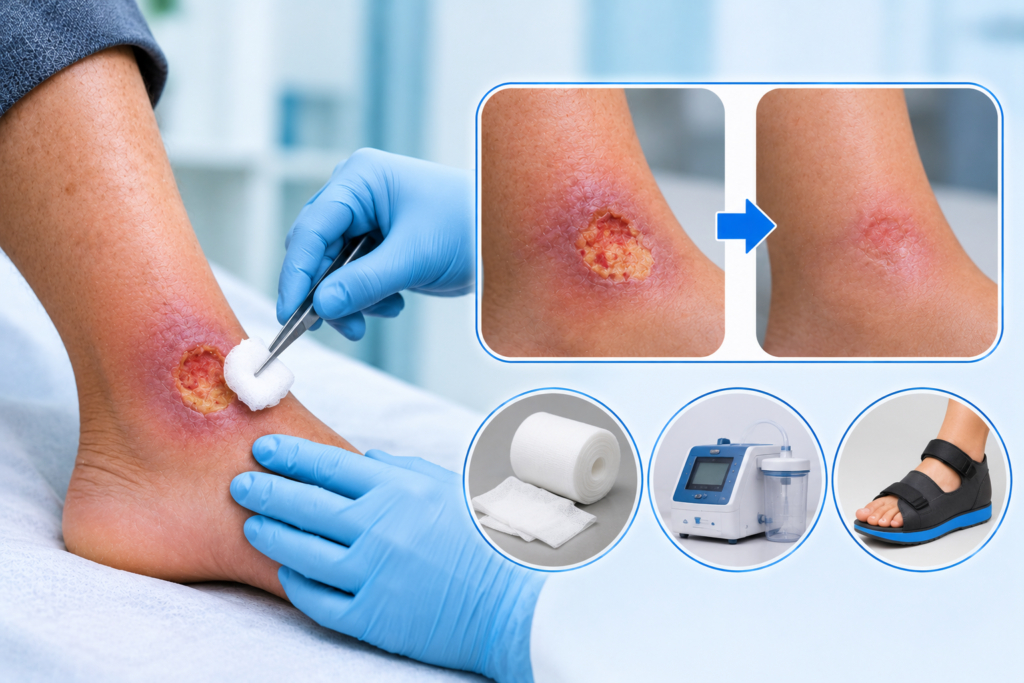
Wound debridement in Ghod Dod Road Surat involves removing unhealthy or dead tissue to support wound healing. Patients usually begin with a specialist consultation, complete necessary investigations and plan appropriate treatment based on wound severity.
Diabetic foot wounds require particular attention because reduced sensation, poor circulation and infection can interfere with healing. Even a small wound may become serious without timely assessment.
Understanding the procedure, recovery requirements and treatment expenses can help patients and families make informed decisions.
What is wound debridement and who is it for?
Wound debridement is a medical procedure that removes dead, damaged or infected tissue from a wound when clinically appropriate. It helps prepare the wound for healing and allows the specialist to assess underlying tissue more effectively.
Debridement may be recommended for patients with:
- Diabetic foot ulcers containing unhealthy tissue.
- Chronic wounds that are not healing.
- Wounds with dead or damaged tissue.
- Infected wounds requiring surgical assessment.
- Pressure-related foot ulcers.
- Selected postoperative wound complications.
Not every wound requires debridement. The decision depends on wound depth, infection, circulation and the patient’s general health.
For example, patients with severely reduced blood supply may require vascular assessment before certain types of debridement.
Dr. Ashutosh Shah can evaluate these factors and discuss suitable treatment options.
Quick facts about wound debridement
| Treatment detail | What patients should know |
|---|---|
| Duration | [Specialist to confirm according to wound size and technique.] |
| Anaesthesia | Local, regional or general anaesthesia may be considered when required. |
| Hospital stay | OPD treatment or admission, depending on severity. [Confirm with specialist.] |
| Back to work | Depends on wound location, healing and occupational demands. |
| Follow-ups | Regular wound assessment and dressing changes. [Confirm individual schedule.] |
Patients considering wound debridement in Ghod Dod Road Surat should understand that removing unhealthy tissue is only one part of comprehensive wound management.
How the procedure is done, step by step
The treatment approach varies according to the wound’s condition. A typical clinical pathway includes the following stages.
Step 1: Wound assessment
The specialist examines the wound’s size, depth, surrounding skin, discharge and signs of infection.
Medical history, diabetes control, previous treatments and current medications are also reviewed.
Step 2: Necessary investigations
Blood tests, circulation assessments and imaging may be recommended.
An X-ray or other imaging may be necessary when deeper infection or bone involvement is suspected.
The specialist determines which investigations are appropriate rather than ordering every test routinely.
Step 3: Selecting the debridement technique
Several techniques may be considered, including sharp, surgical, autolytic and enzymatic debridement.
The choice depends on tissue condition, blood supply, infection severity and treatment urgency.
Sharp or surgical debridement may be necessary when unhealthy tissue needs prompt removal.
Step 4: Removing unhealthy tissue
During the procedure, the specialist removes selected unhealthy tissue while aiming to preserve viable structures.
Pain management or anaesthesia may be required, depending on the technique and extent of treatment.
Patients can learn more about surgical assessment through debridement surgery in bharuch.
Step 5: Dressing and protection
An appropriate dressing is applied according to wound characteristics. Antibiotics may be prescribed when clinical infection is present.
Pressure relief, diabetes management and circulation assessment remain important after the procedure.
The clinic’s exact treatment protocol should be confirmed before publication. [Dr. Ashutosh Shah to verify procedure steps and dressing protocols.]
Recovery: what the first weeks look like
Recovery after wound debridement is different for every patient. Removing unhealthy tissue does not mean that the wound will close immediately.
Healing depends on infection control, adequate circulation, pressure relief, nutrition and blood sugar management.
During the first few days
Patients should follow dressing instructions and take prescribed medicines as directed.
Some discomfort may occur, depending on the procedure. Increasing pain, redness, swelling or discharge requires medical assessment.
Avoid unnecessary walking or standing when the wound requires pressure relief.
During the following weeks
The specialist monitors wound size, depth, discharge and the development of healthy tissue.
Dressing requirements may change as healing progresses. Some patients need repeated debridement or additional procedures.
A wound that fails to improve requires reassessment rather than simply continuing the same treatment indefinitely.
Read more about wound debridement healing to understand factors that influence recovery.
What supports wound healing?
Patients can support their recovery by:
- Following the prescribed dressing schedule.
- Managing blood glucose according to medical advice.
- Using recommended offloading devices.
- Eating balanced meals with adequate nutrition.
- Avoiding smoking and tobacco.
- Attending scheduled follow-up appointments.
Never attempt to remove dead tissue at home using scissors, blades or other instruments.
Seek emergency medical attention if the foot develops rapidly spreading redness, black discoloration, severe swelling, confusion or fever with significant illness.
Which factors change the cost?
The cost of wound debridement in Ghod Dod Road Surat depends on the complexity of the wound and the treatment required.
A small wound managed through outpatient care may involve different expenses from a deep, infected wound requiring surgery and hospital admission.
Main treatment expenses
The overall cost may include:
- Initial specialist consultation.
- Blood tests and diagnostic imaging.
- Circulation assessment.
- Debridement procedure charges.
- Anaesthesia, when required.
- Dressing materials and medications.
- Hospital admission, if necessary.
- Offloading devices and follow-up appointments.
Some wounds require repeated procedures, increasing the overall treatment expense. Additional vascular or reconstructive treatment may also affect the budget.
Patients can explore related treatment information through debridement surgery in bardoli.
Can insurance cover treatment?
Insurance coverage depends on the policy, medical necessity, admission requirements and applicable exclusions.
Outpatient dressings may not be covered under every policy. Patients should confirm coverage directly with their insurer before planned treatment.
Request a written estimate explaining which services are included and which may require additional payment.
Reaching the clinic for wound debridement in Ghod Dod Road Surat
Patients planning a consultation should prepare their medical documents and discuss appointment availability before visiting.
A well-organised visit can help the specialist understand previous treatment and identify investigations that may still be required.
What should you bring?
Carry the following documents when available:
- Recent blood sugar and HbA1c reports.
- Previous wound treatment records.
- Current medication list.
- X-rays or circulation test reports.
- Details of previous foot surgery.
- Insurance documents, if applicable.
Patients with mobility difficulties may benefit from travelling with a family member.
Avoid walking unnecessarily on an active foot ulcer while travelling. Ask the treating team whether a wheelchair, walking aid or offloading device is appropriate.
Planning your consultation
Contact the clinic to confirm appointment availability, consultation timings and accessibility arrangements.
Patients experiencing severe infection or rapidly worsening symptoms should seek immediate medical care instead of waiting for a scheduled appointment.
Questions to ask before you decide
Before proceeding with wound debridement, discuss the purpose of treatment and the expected recovery plan with your specialist.
Important questions include:
- Why does my wound require debridement?
- Which technique is suitable for me?
- Is my blood circulation adequate?
- Will I need anaesthesia or hospital admission?
- Could repeated procedures be necessary?
- How should I protect the wound at home?
- What is the estimated treatment cost?
- Which symptoms require urgent medical attention?
A clear discussion helps patients understand both the potential benefits and limitations of treatment.
Frequently Asked Questions
Conclusion
Wound debridement in Ghod Dod Road Surat can form an important part of diabetic foot and chronic wound management when clinically indicated.
Early assessment, appropriate tissue removal, pressure relief and regular follow-ups help create suitable conditions for healing.
For individual assessment and appointment information with Dr. Ashutosh Shah, visit the contact us page.