
Diabetic Foot Doctor in Navsari: Diabetic Footwear Advice and When to Visit
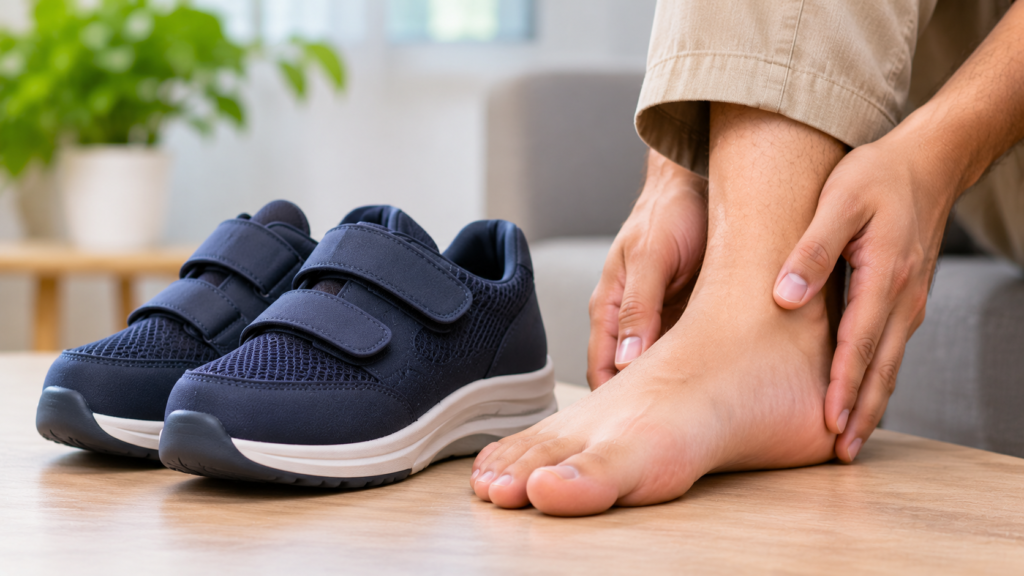
Diabetic footwear advice in Navsari helps patients choose suitable footwear to reduce pressure, protect sensitive feet and prevent injuries. Patients usually begin with a specialist consultation, foot examination and personalised footwear recommendations.
People with diabetes may experience reduced foot sensation, poor circulation and changes in foot shape. These problems can make ordinary footwear uncomfortable or unsuitable, increasing the risk of blisters, calluses and ulcers.
Choosing appropriate footwear under professional guidance is an important part of long-term diabetic foot protection.
What is diabetic footwear advice and who is it for?
Diabetic footwear advice involves assessing the patient’s feet, walking pattern, pressure points and medical history before recommending suitable footwear.
The objective is to protect vulnerable areas, reduce excessive pressure and improve walking comfort without causing additional injuries.
Unlike ordinary shoe shopping, diabetic footwear selection considers medical conditions that may affect foot safety.
Who should consider diabetic footwear?
Specialist footwear assessment may benefit patients with:
- Reduced sensation caused by diabetic neuropathy.
- Previous diabetic foot ulcers.
- Recurrent corns or calluses.
- Foot deformities or prominent bones.
- Previous diabetic foot surgery.
- Difficulty finding comfortable footwear.
- Uneven pressure while standing or walking.
- A history of minor foot amputation.
Patients with active ulcers may require specialised offloading devices rather than standard therapeutic shoes.
Dr. Ashutosh Shah can assess individual foot conditions and recommend an appropriate protection strategy.
Quick facts about diabetic footwear assessment
| Treatment detail | What patients should know |
|---|---|
| Duration | [Specialist to confirm consultation and fitting duration.] |
| Anaesthesia | Not required for routine footwear assessment. |
| Hospital stay | Usually not required for footwear consultation. |
| Back to work | Depends on foot condition and mobility restrictions. |
| Follow-ups | Required according to foot risk, footwear fit and treatment needs. |
Patients seeking diabetic footwear advice in Navsari should understand that suitable footwear supports foot protection but does not replace regular medical examinations.
How the procedure is done, step by step
Diabetic footwear assessment is generally a non-surgical process. The specialist evaluates the patient’s feet before recommending suitable footwear, insoles or pressure-relieving devices.
Step 1: Medical history and consultation
The specialist reviews diabetes duration, blood sugar management, previous wounds, foot surgery and existing medical conditions.
Patients should explain whether they experience numbness, burning sensations, discomfort or difficulty walking.
Previous footwear-related injuries should also be discussed.
Step 2: Foot examination
Both feet are examined for skin changes, calluses, deformities, swelling and areas exposed to excessive pressure.
Sensation and circulation may also be assessed to identify factors that increase ulcer risk.
Step 3: Foot measurements and pressure assessment
Foot length, width and shape are evaluated to determine suitable footwear dimensions.
Additional pressure assessments may be recommended when patients have recurrent ulcers, significant deformities or uneven weight distribution.
Step 4: Selecting appropriate footwear
Recommended footwear may include extra-depth shoes, cushioned insoles, customised footwear or other protective devices.
Patients can explore available footwear services for information about specialised foot protection options.
Step 5: Fitting and walking assessment
The footwear is checked for adequate toe space, heel stability, internal seams and pressure points.
Patients may be asked to walk under supervision so that the fit and comfort can be evaluated.
Step 6: Follow-up planning
The specialist explains how to use the footwear, inspect the feet and identify problems requiring adjustments.
Recovery: what the first weeks look like
Routine footwear assessment does not involve surgical recovery. However, patients may need an adjustment period when beginning to use new therapeutic shoes or customised insoles.
The adjustment schedule depends on foot sensitivity, existing wounds and the type of footwear prescribed.
During the first few days
Patients should follow the specialist’s instructions regarding wearing duration.
Check both feet after removing the footwear. Look for redness, blisters, swelling or pressure marks, particularly around the toes, heels and sides of the feet.
Do not continue wearing footwear that causes persistent irritation.
During the following weeks
The specialist may review footwear comfort, walking stability and pressure distribution.
Adjustments may be necessary if swelling changes, the footwear becomes uncomfortable or new pressure points develop.
Patients receiving diabetic footwear advice in Navsari should attend follow-up appointments even when their footwear feels comfortable, because reduced sensation can prevent them from noticing injuries.
Those recovering from surgery may require additional precautions. Read about footwear after diabetic foot surgery for related guidance.
Daily footwear precautions
- Inspect the inside of shoes before wearing them.
- Wear suitable socks without restrictive elastic.
- Avoid walking barefoot, including indoors.
- Keep footwear clean and dry.
- Check both feet every day.
- Follow prescribed walking and offloading instructions.
A new wound requires prompt medical assessment. Black discoloration, rapidly spreading redness or severe illness requires emergency care.
Which factors change the cost?
The cost of diabetic footwear advice in Navsari depends on the patient’s foot condition, assessment requirements and the type of footwear recommended.
Some patients may benefit from properly fitted therapeutic shoes, while others require customised insoles, specialised footwear or additional offloading devices.
Main expenses to consider
The overall cost may include:
- Initial specialist consultation.
- Foot sensation and circulation assessments.
- Foot measurements and pressure evaluation.
- Therapeutic footwear.
- Customised insoles or orthotic devices.
- Footwear modifications.
- Follow-up consultations and adjustments.
Patients with significant deformities or previous amputations may require more specialised solutions.
Information about footwear and prosthetics can help families understand available support options.
Does insurance cover diabetic footwear?
Insurance coverage varies according to policy terms, medical necessity and the type of device prescribed.
Patients should confirm whether therapeutic footwear, orthotic devices or related consultations are covered before making a purchase.
Request a written estimate explaining whether fitting, modifications and follow-up adjustments are included.
How patients plan a visit for diabetic footwear advice in Navsari
Patients planning a specialist consultation should gather their medical records and information about previous foot problems.
Bringing existing footwear can also help the specialist identify wear patterns, fitting problems and possible sources of excessive pressure.
What should patients bring?
Useful items include:
- Recent blood sugar and HbA1c reports.
- Current medication list.
- Previous diabetic foot treatment records.
- Existing shoes and customised insoles.
- Previous foot surgery reports.
- Available circulation or nerve assessment reports.
Patients with active wounds should follow existing dressing and offloading instructions while travelling.
A family member may accompany patients who experience mobility difficulties or have trouble examining their feet independently.
Patients with suspected infection or a rapidly worsening wound should seek urgent medical care instead of waiting for a routine footwear consultation.
Questions to ask before you decide
Selecting therapeutic footwear requires understanding how the recommended design addresses individual foot risks.
Discuss the following questions with your specialist:
- Do I need therapeutic shoes or customised footwear?
- Which areas of my feet require additional protection?
- Would customised insoles help reduce pressure?
- How long should I wear the new footwear initially?
- Can I use the footwear if I have an active ulcer?
- When should the footwear be adjusted or replaced?
- Which warning signs require medical attention?
The answers can help patients use their footwear correctly and recognise when further assessment is necessary.
Frequently Asked Questions
Conclusion
Diabetic footwear assessment is an important part of preventing avoidable foot injuries and managing pressure-related complications in people with diabetes.
Appropriate footwear, regular foot examinations and timely specialist guidance can support long-term foot health.
For individual assessment and footwear recommendations from Dr. Ashutosh Shah, visit the contact us page.