
Diabetic Wound Dressing Cost: What Affects the Total and What to Ask
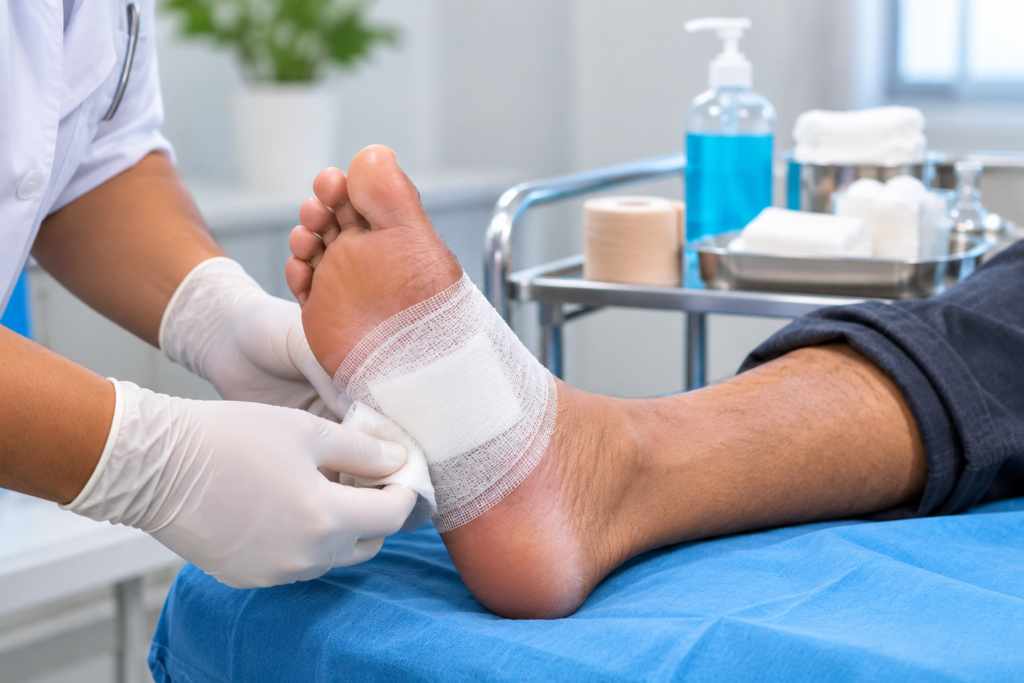
Diabetic wound dressing cost depends on wound size, depth, infection, required investigations, dressing materials and the number of follow-up visits. Some wounds need straightforward outpatient care, while complicated ulcers require additional procedures. A written treatment estimate helps patients understand expenses and plan for ongoing care.
Diabetic foot wounds should never be ignored because a small injury can develop into a serious infection, particularly when nerve damage reduces pain sensation.
At Surat Diabetic Foot Care, Dr. Ashutosh Shah can assess wound severity and discuss appropriate treatment options. Understanding the factors that influence expenses helps patients make informed decisions without delaying necessary medical care.
What Makes Up the Total Diabetic Wound Dressing Cost?
The total expense is not simply the price of one dressing. It may include consultation, wound assessment, cleaning, dressing materials, investigations, medication and follow-up appointments.
The treatment plan depends on the condition of the wound and the patient’s overall health.
Initial consultation and wound assessment
During the first appointment, the specialist examines the wound’s size, depth, location and surrounding skin.
The assessment may also include checking circulation, protective sensation and signs of infection.
This examination helps determine whether routine dressing is sufficient or additional treatment is required.
Cleaning and dressing materials
Different wounds require different dressing approaches.
A wound with substantial drainage may need different materials from a relatively dry wound. The clinician chooses dressings based on clinical findings rather than price alone.
Specialised dressings may increase expenses, but they are not automatically necessary for every patient.
Dressing charges per visit: [Clinic to confirm.]
Medicines and infection management
If the wound is clinically infected, antibiotics or additional treatment may be necessary.
Antibiotics are not routinely recommended for clinically uninfected diabetic foot ulcers.
Medication expenses depend on the prescribed treatment, infection severity and duration.
Additional procedures
Some wounds require professional removal of unhealthy tissue, known as debridement.
Other complications may require surgery, vascular assessment or hospital admission.
These interventions can substantially change the overall treatment expense.
The specialist should explain why an additional procedure is recommended and whether alternatives are appropriate.
Understanding the complete estimate
Before starting treatment, ask whether the quotation includes consultation, dressing materials, medicines and follow-up visits.
Patients should also clarify which expenses are estimates and which charges are fixed.
A written breakdown makes it easier to compare the proposed plan with actual bills.
Why Does the Number of Visits Matter?
The number of appointments is an important factor affecting diabetic wound dressing cost.
A small superficial wound may need fewer visits than a deep ulcer associated with infection, impaired circulation or repeated pressure.
However, healing cannot be predicted accurately from wound size alone.
Why are repeated dressings necessary?
Dressings protect the wound and help maintain an appropriate healing environment.
During follow-up appointments, the clinician examines wound progress and decides whether the dressing approach should change.
The frequency depends on wound drainage, dressing type, infection status and the overall treatment plan.
Patients should not change dressing frequency without medical advice.
What can delay healing?
Several factors can prolong treatment:
- Poor blood circulation.
- Infection involving deeper tissue.
- Repeated pressure while walking.
- Elevated blood glucose.
- Inappropriate footwear.
- Smoking.
- Missed follow-up appointments.
- Other medical conditions affecting healing.
Addressing these factors may reduce complications, although it does not guarantee faster healing.
For additional information, read how long does diabetic wound dressing take to heal in surat.
Can wound complications increase expenses?
Yes. A wound that deteriorates may require additional investigations, medicines or procedures.
For example, increasing discharge, swelling or redness may indicate infection requiring urgent reassessment.
Patients experiencing diabetic foot pain should also seek assessment, although serious diabetic wounds can sometimes remain painless.
Timely follow-up can help identify complications before they become more difficult to manage.
Which Tests May Be Needed for Diabetic Wound Dressing in Vyara?
Patients considering diabetic wound treatment may require investigations before or during care.
Not every patient needs every test. The specialist selects investigations according to wound severity and clinical findings.
Blood glucose and HbA1c
Blood glucose testing helps assess current glucose levels.
HbA1c provides information about average blood glucose over the preceding months.
These results help the treating team plan diabetes management alongside wound care.
Infection-related investigations
When infection is suspected, the clinician may recommend blood tests, imaging or appropriate microbiological sampling.
Cultures are generally considered when clinically indicated, with suitable tissue specimens preferred over superficial swabs for infected diabetic foot wounds.
Circulation assessment
Reduced blood flow can delay healing and increase the risk of complications.
The doctor may assess foot pulses and recommend additional vascular investigations when necessary.
These investigations help determine whether blood circulation requires further evaluation or treatment.
Imaging when deeper infection is suspected
An X-ray or other imaging may be recommended when bone involvement, foreign material or deeper infection is suspected.
Not every diabetic foot wound requires advanced imaging.
Can pressure-related problems require additional treatment?
Yes. Abnormal pressure caused by foot deformity or limited joint movement may contribute to repeated ulceration.
Selected patients may need pressure-relieving footwear, devices or procedures.
For example, gastrosoleus tightening in diabetic feet explains a condition that can influence foot pressure and treatment planning.
Any additional procedure requires individual clinical assessment.
Is Diabetic Wound Dressing Covered by Insurance or Government Schemes?
Insurance coverage depends on the patient’s policy, the treatment setting and whether hospital admission or a covered procedure is medically necessary.
Routine outpatient dressings may not receive the same coverage as eligible hospital-based treatment.
Patients should verify benefits before assuming reimbursement is available.
Outpatient treatment and insurance
Many diabetic wounds can be managed through outpatient appointments.
However, standard health insurance policies may exclude routine outpatient consultations and dressing charges unless specific OPD benefits are included.
Hospitalisation and surgical treatment
Some complicated wounds require admission, intravenous treatment or surgery.
Eligible hospital expenses may be covered according to policy conditions, exclusions, waiting periods and insurer approval.
Coverage is not guaranteed simply because the patient has diabetes.
Government healthcare schemes
Patients may explore eligibility under applicable government healthcare schemes, including Ayushman Bharat PM-JAY.
Eligibility, empanelled facilities and covered treatment packages must be verified through official scheme channels.
Routine dressing visits should not be assumed to qualify automatically.
Documents patients should keep
Maintain copies of:
- Consultation prescriptions.
- Diagnostic reports.
- Treatment recommendations.
- Dressing and pharmacy bills.
- Hospital discharge records, if applicable.
- Insurance policy documents.
- Claim approvals and correspondence.
These records may help with reimbursement requests and future medical consultations.
How Can You Plan the Budget for Long Treatment?
A realistic budget should consider both initial and recurring expenses.
Because diabetic wound dressing cost can change during treatment, patients should request a clear estimate and understand which circumstances may increase charges.
Budget Planner
| Expense item | One-time or repeat | Approximate share or cost |
|---|---|---|
| Initial consultation | Usually initial; repeat if needed | [Clinic to confirm] |
| Blood tests and imaging | As clinically indicated | [Clinic to confirm] |
| Wound cleaning and dressings | Usually recurring | [Clinic to confirm] |
| Dressing materials | Recurring as required | [Clinic to confirm] |
| Medicines | As prescribed | [Clinic to confirm] |
| Debridement or other procedures | Only when indicated | [Clinic to confirm] |
| Follow-up appointments | Recurring | [Clinic to confirm] |
| Protective footwear or offloading | If recommended | [Clinic to confirm] |
Request a written treatment plan
Ask the clinic to explain the proposed dressing schedule, estimated expenses and possible additional treatment requirements.
The estimate should distinguish between routine care and procedures that may only become necessary if complications develop.
Avoid choosing treatment based only on price
The least expensive dressing is not necessarily the most appropriate option.
Treatment should be selected according to wound condition, clinical evidence and specialist assessment.
Delaying necessary treatment to avoid an initial expense may increase the risk of serious complications.
Plan for follow-up appointments
Regular reviews help the doctor assess whether treatment is working.
Patients should discuss appointment frequency, travel arrangements and dressing instructions before beginning care.
When should you seek urgent help?
Seek prompt medical attention for spreading redness, swelling, discharge, foul odour or a wound that is worsening.
Blackening tissue, rapidly spreading infection or fever with severe illness warrants urgent or emergency assessment.
Frequently Asked Questions
Whether dressing charges are included depends on the clinic’s billing policy and treatment requirements. Consultation, cleaning, dressing materials and additional procedures may be charged separately. Ask for an itemised estimate before treatment.
Insurance coverage depends on policy benefits, exclusions, waiting periods and the type of treatment required. Routine outpatient dressings may not be covered under standard hospitalisation policies. Eligible surgical or inpatient treatment may qualify. Patients should confirm benefits with their insurer before making financial arrangements.
Many diabetic foot wounds can be managed through outpatient consultations and dressing appointments. However, severe infection, poor circulation or deeper tissue involvement may require hospital-based care. Patients seeking diabetic wound dressing in vyara should undergo specialist assessment to determine the safest treatment setting.
Treatment expenses can change when wound healing is slower than expected or additional complications develop. New investigations, different dressing materials, medicines or procedures may become necessary. Regular reviews help the specialist update the treatment plan. Patients should request revised estimates whenever significant changes are recommended.
Patients can request a written estimate covering consultation, investigations, dressing materials, medicines and anticipated follow-up visits. However, final expenses may vary according to wound progress and complications.
Conclusion
Diabetic wound treatment expenses depend on wound severity, dressing requirements, investigations and the number of follow-up appointments.
Understanding these factors helps patients prepare financially while prioritising appropriate medical care.
Dr. Ashutosh Shah can assess the wound and explain suitable treatment options based on individual findings.
For appointment information or a treatment estimate, visit the contact us page.