
How Can Orthopedic Shoes for Diabetes Protect Your Feet?
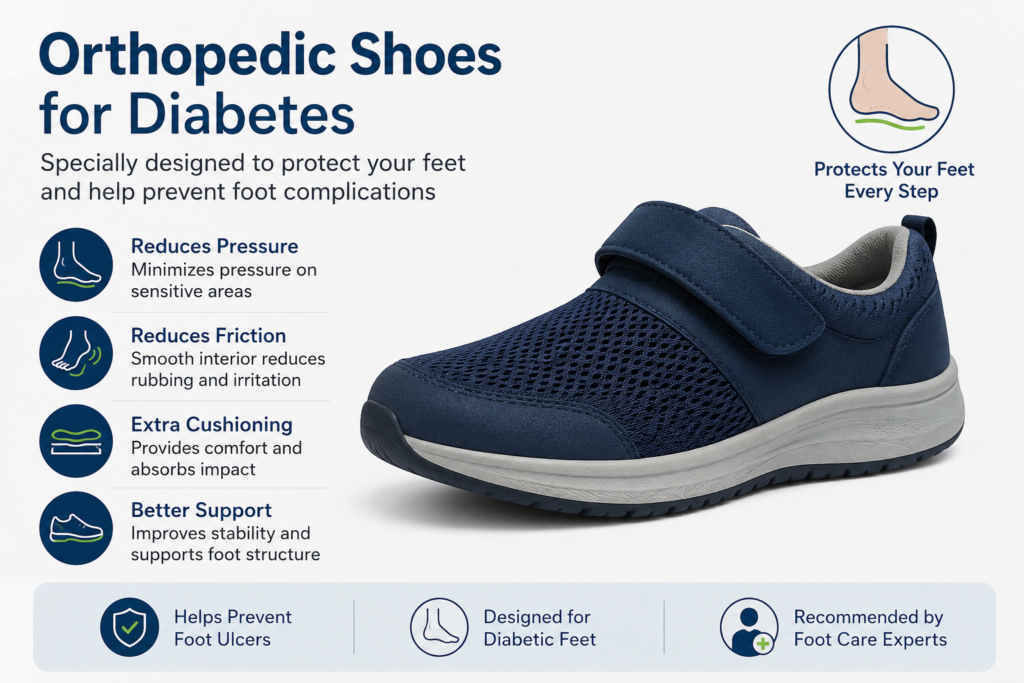
People with diabetes can be more likely to develop foot problems because diabetes may affect nerves, blood circulation, skin health, and the way pressure is distributed across the feet. Therefore, choosing the right footwear is an important part of diabetic foot care. Orthopedic shoes for diabetes are specially designed to provide better support, cushioning, comfort, and protection.
At Elegance Diabetic Foot Care, appropriate footwear can be recommended based on the patient’s foot condition, pressure points, deformities, and risk of developing foot ulcers.
What Are Orthopedic Shoes for Diabetes?
Orthopedic shoes are specially designed footwear that supports the structure and function of the feet. For people with diabetes, these shoes may include features such as extra cushioning, a wider toe box, soft interiors, pressure-relieving insoles, and appropriate support.
Unlike ordinary footwear, diabetic-friendly orthopedic shoes are designed to reduce unnecessary pressure and friction on vulnerable areas of the foot.
How Can Orthopedic Shoes Protect Diabetic Feet?
1. They Help Reduce Foot Pressure
Excessive pressure on specific areas of the foot can cause calluses, blisters, skin breakdown, and ulcers. Orthopedic shoes can help distribute pressure more evenly across the sole.
This can be particularly helpful for people who have high-pressure areas, foot deformities, or a history of diabetic foot ulcers.
2. They Reduce Friction and Irritation
Tight or poorly fitting shoes can rub against the toes, heels, or sides of the feet. This may result in blisters, redness, and wounds.
Therefore, diabetic orthopedic footwear generally provides a comfortable fit with soft internal materials to minimize rubbing and irritation.
3. They Provide Better Cushioning
Diabetic feet may benefit from additional cushioning because it can reduce the impact placed on the feet while standing and walking.
Cushioned insoles can also improve comfort during daily activities and help reduce stress on sensitive areas.
4. They Provide More Room for the Toes
A narrow toe box can squeeze the toes and create pressure points. This can be especially problematic for people with bunions, hammertoes, swelling, or other foot deformities.
Orthopedic diabetic shoes generally provide sufficient room around the toes to reduce unnecessary pressure.
5. They Can Accommodate Foot Deformities
Diabetes-related complications or other foot conditions can sometimes change the shape of the foot. Standard shoes may not fit properly in these situations.
Orthopedic footwear can be selected or customized to accommodate certain deformities and provide a more comfortable and supportive fit.
6. They May Help Reduce the Risk of Foot Ulcers
Foot ulcers can develop when repeated pressure, friction, and minor injuries affect an area of the foot. Proper footwear is an important part of preventive diabetic foot care.
By improving fit and reducing pressure on vulnerable areas, appropriate orthopedic footwear may help reduce the risk of skin damage and ulcer formation.
However, shoes cannot eliminate the risk of diabetic foot ulcers. Regular foot examinations, appropriate wound care, and proper diabetes management remain essential.
Who May Benefit From Orthopedic Diabetic Shoes?
Orthopedic shoes may be particularly useful for people with:
- Diabetic neuropathy
- Foot deformities
- Bunions or hammertoes
- Previous diabetic foot ulcers
- Calluses caused by abnormal pressure
- High-risk feet
- Abnormally distributed foot pressure
- Difficulty finding comfortable standard footwear
A qualified foot specialist can assess the individual’s condition and determine whether orthopedic footwear, custom insoles, or other offloading options may be appropriate.
How Should You Choose Orthopedic Shoes for Diabetes?
The right shoe should fit comfortably without creating pressure points. Look for adequate toe space, soft and breathable materials, cushioning, stable soles, and appropriate support.
However, people with diabetes should not choose footwear only by appearance or general comfort. A professional foot assessment can help identify areas of abnormal pressure and determine whether custom footwear or specialized insoles are needed.
It is also important to inspect your feet regularly. Look for redness, swelling, blisters, cuts, cracks, or changes in skin color. If you notice a wound or unusual change, seek medical attention promptly.
Why Is Proper Footwear Important in Diabetes?
Diabetic foot care involves much more than wearing comfortable shoes. Blood sugar control, regular foot examinations, appropriate wound care, circulation assessment, and early treatment of foot problems are all important.
For people at higher risk of foot complications, properly selected orthopedic footwear can be an important preventive measure.
Expert Care by Dr. Ashutosh Shah
Dr. Ashutosh Shah, M.B., M.S., M.Ch., D.N.B., is a Board-Certified Plastic and Cosmetic Surgeon and Director of Elegance Clinic, Surat, with 22+ years of experience. He has extensive training in plastic and reconstructive surgery and is also associated with the Indian Podiatry Association.
For patients with diabetes, proper foot protection is important, particularly when there are pressure points, deformities, previous ulcers, or difficulty wearing regular footwear. A professional assessment can help determine whether specialized orthopedic shoes, custom insoles, or other protective footwear options are appropriate.
Conclusion
Orthopedic shoes for diabetes can help protect the feet by reducing pressure, minimizing friction, improving cushioning, and providing better support. They may be especially beneficial for people with neuropathy, foot deformities, previous ulcers, or other high-risk foot conditions.
If you have diabetes and experience foot pain, pressure points, calluses, deformities, or previous ulcers, consult a qualified diabetic foot specialist before choosing your footwear. At Surat Diabetic Foot Care, footwear recommendations can be tailored to your individual foot condition and risk level.
FAQs
Yes, appropriate orthopedic footwear may help reduce the risk of diabetic foot ulcers by reducing pressure, friction, and repeated stress on vulnerable areas. However, regular foot checks and proper diabetes management are also important.
Good diabetic footwear should generally have adequate toe space, soft interiors, cushioning, proper support, a comfortable fit, and a stable sole. The footwear should not create pressure points or excessive friction.
Yes. Depending on the deformity, specialized or custom orthopedic footwear may provide additional space and support around areas such as bunions, hammertoes, or other changes in foot shape.
Orthopedic footwear may be beneficial if neuropathy has reduced your ability to feel pressure, pain, or minor injuries. A professional foot assessment can help determine the most suitable footwear.
Your shoes should provide enough room for your toes, should not squeeze any part of the foot, and should not cause redness, blisters, pain, or pressure points. If you notice these problems, have your footwear assessed.