
Diabetic Foot Doctor in Ankleshwar: Diabetic Wound Dressing and When to Visit
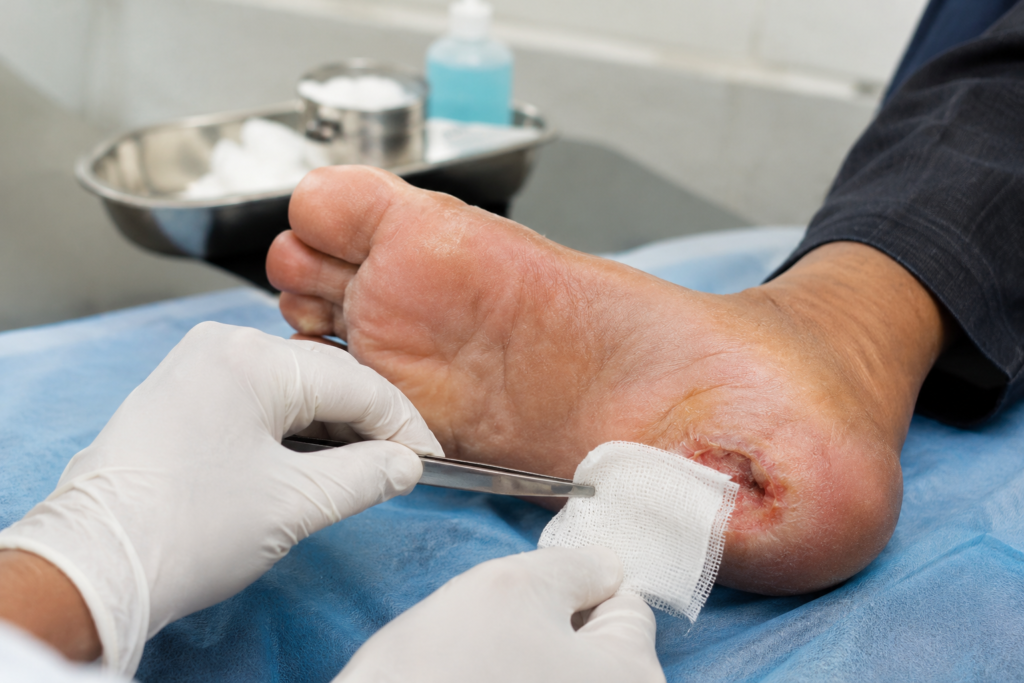
Diabetic wound dressing helps protect a foot wound, control moisture, manage discharge and support healing through regular assessment and follow-ups. Patients from Ankleshwar usually begin with a consultation, wound examination and necessary tests before receiving an individual treatment plan.
A diabetic foot wound may look small initially. However, reduced sensation, poor circulation and infection can make healing more difficult. Therefore, people with diabetes should not ignore a cut, blister, cracked heel or open wound.
At Elegance Diabetic Foot Clinic, Dr. Ashutosh Shah evaluates diabetic foot problems and helps patients understand wound management, pressure reduction and the need for further treatment.
Key Takeaways
- Diabetic wound dressing protects the wound and supports healing, but it does not replace infection treatment or pressure relief.
- Wound depth, infection, circulation and blood sugar control influence recovery.
- Some wounds need regular dressing changes, while others require additional procedures.
- Patients travelling for treatment should plan follow-up appointments before returning home.
- Increasing redness, swelling, discharge or blackened tissue requires urgent medical assessment.
What Is Diabetic Wound Dressing and Who Is It For?
Diabetic wound dressing is a medical wound-care process that involves examining, cleaning and covering a wound with an appropriate dressing material.
The main purpose is to protect the affected area, maintain a suitable healing environment, manage wound fluid and reduce contamination.
However, not every diabetic wound requires the same dressing. The specialist selects treatment according to the wound’s condition.
Who may need diabetic wound dressing?
People with diabetes may require professional wound care when they develop:
- Open wounds or ulcers on the foot
- Blisters that have broken or are not healing
- Wounds caused by footwear pressure
- Cracked skin that has developed into an ulcer
- Wounds with persistent discharge
- Recurrent ulcers or slow-healing injuries
- Wounds following a previous diabetic foot procedure
People with reduced foot sensation may not experience significant pain despite having a serious wound.
For this reason, a painless wound should not automatically be considered harmless.
Why is specialist assessment important?
Diabetic foot wounds can involve more than the skin.
A specialist may need to assess blood circulation, protective sensation, infection, pressure points and the depth of tissue damage.
Additionally, some patients require vascular evaluation, infection management, surgical debridement or other advanced treatment.
Early assessment helps identify these problems before they become more severe.
Diabetic Wound Dressing in Ankleshwar: How the Procedure Is Done, Step by Step
Patients seeking specialist wound care should understand what happens during the appointment.
Although the exact process varies, diabetic wound dressing generally follows these steps.
Step 1: Initial consultation and wound examination
The specialist examines the wound and asks about:
- How long the wound has been present
- Previous dressing methods
- Blood sugar control
- Pain, numbness or burning sensations
- Previous ulcers or infections
- Existing medicines and medical conditions
The examination may also include checking foot pulses, sensation, skin temperature and signs of infection.
Step 2: Additional tests when necessary
Some patients require investigations to understand why a wound is not healing.
These may include blood tests, circulation assessments, imaging or microbiological sampling when clinically indicated.
Not every patient requires every test.
Step 3: Wound cleaning
The wound is cleaned using an appropriate clinical method.
If dead or unhealthy tissue is present, the specialist may recommend debridement.
However, debridement is not appropriate for every wound. The decision depends partly on blood supply, infection and tissue condition.
Step 4: Selecting the dressing
The dressing material is selected according to wound depth, fluid levels, surrounding skin and other clinical findings.
Possible options include foam, alginate, hydrogel or other appropriate dressings.
No single dressing is best for every diabetic foot ulcer.
Step 5: Pressure reduction
Pressure from standing and walking can delay wound healing.
Therefore, the treatment plan may include protective footwear, an offloading device or another method of reducing pressure.
Step 6: Follow-up and reassessment
During follow-up appointments, the specialist checks wound size, tissue condition, discharge and possible infection.
The dressing plan may change as the wound improves.
For additional information, read how long does diabetic wound dressing take to heal in Surat.
Quick Facts About Diabetic Wound Dressing
| Treatment factor | What patients should know |
|---|---|
| Procedure duration | [Specialist to confirm typical appointment duration] |
| Anaesthesia | Usually unnecessary for a simple dressing; may be required for certain additional procedures |
| Hospital stay | Often outpatient for uncomplicated dressing; admission depends on wound severity |
| Back to work | Depends on wound location, infection, pressure restrictions and job demands |
| Follow-up visits | Scheduled according to wound condition and dressing requirements |
| Healing time | Varies with wound depth, blood supply, infection and pressure relief |
Important: These are general clinical considerations, not guaranteed recovery estimates. The treating specialist must confirm the individual plan.
Recovery: What the First Weeks Look Like
Recovery from a diabetic foot wound is gradual. Moreover, the healing process depends on the underlying condition rather than dressing changes alone.
First few days: protecting the wound
Initially, treatment focuses on protecting the wound, managing discharge and identifying complications.
Patients should keep the dressing as instructed and avoid unnecessary pressure.
They should also monitor for increasing swelling, redness, discharge or other concerning changes.
First one to two weeks: monitoring progress
During this period, the specialist assesses whether the wound is responding to treatment.
Signs of progress may include reduced wound size, healthier tissue and controlled discharge.
However, not every wound shows visible improvement at the same rate.
If infection, poor circulation or repeated pressure is present, healing may be delayed.
Following weeks: continued wound management
As the wound improves, dressing requirements may change.
Some patients need ongoing offloading, footwear modifications or additional procedures.
A wound that does not reduce in size as expected requires reassessment rather than simply continuing the same treatment indefinitely.
What can slow recovery?
Several factors may interfere with healing:
- Poor blood circulation
- Uncontrolled blood sugar
- Untreated infection
- Repeated pressure on the wound
- Smoking
- Inadequate nutrition
- Deep tissue involvement
- Irregular follow-up appointments
Patients with larger wounds may require advanced reconstructive treatment.
For example, skin graft for diabetic wound in bardoli may be considered in selected cases after the wound has been appropriately prepared.
Not every wound requires a skin graft.
Which Factors Change the Cost?
The cost of diabetic wound dressing depends on the complexity of the wound and the treatment required.
A small, uncomplicated wound may need a different level of care from a deep wound with infection.
Main cost factors
1. Wound size and depth
Larger or deeper wounds may require more dressing material, longer appointments and additional assessment.
2. Type of dressing material
Different wound conditions require different dressing products. Therefore, material costs can vary.
3. Infection management
If an infection is present, additional tests, medicines or procedures may increase the overall treatment cost.
4. Frequency of dressing changes
Some wounds require more frequent review than others.
5. Additional procedures
Debridement, vascular investigations, offloading devices or reconstructive procedures may be needed in selected patients.
Questions to ask about treatment charges
Before starting treatment, ask whether the estimate includes consultation, dressing materials, tests, medicines and follow-up appointments.
Doctor-approved cost range: [Clinic to add current consultation charges, dressing cost range and any applicable package details.]
Patients should request a written estimate based on their wound assessment rather than relying on a fixed online price.
How Patients From Ankleshwar Plan the Visit
Patients travelling for diabetic foot treatment should plan their appointment carefully, especially if they have an open wound or difficulty walking.
Before the appointment
Contact the clinic and explain the wound’s condition.
Share relevant information, including previous treatment records, recent blood tests and a current medication list.
Photographs may help with initial communication, but they cannot replace a physical examination when one is needed.
On the treatment day
Wear comfortable footwear that does not rub against the wound.
Bring previous prescriptions, investigation reports and details of existing medical conditions.
If walking is difficult, arrange assistance for travel.
Planning the return journey
A simple outpatient dressing may allow travel after the appointment. However, patients with significant infection, poor circulation or a newly performed procedure may require additional observation.
The treating specialist should confirm whether immediate travel is appropriate.
Planning follow-up care
Before returning home, confirm:
- The next dressing appointment
- Whether a trained local healthcare professional can perform interim dressing changes
- How to protect the wound during travel
- Which warning signs require urgent review
- Whether further specialist visits are necessary
For an explanation of urgent wound assessment, read the blogs first 24 hours diabetic foot wound
When Should You Visit a Diabetic Foot Doctor?
Patients with diabetes should seek prompt medical assessment for a new foot ulcer, particularly when healing is delayed.
Urgent assessment is important if the wound develops spreading redness, increasing swelling, pus, a foul smell or blackened tissue.
Fever, rapidly worsening infection or sudden changes in foot colour can indicate a serious problem requiring immediate medical attention.
Importantly, people with diabetic neuropathy may not feel pain even when tissue damage is significant.
Do not wait for a wound to become painful before seeking treatment.
Questions to Ask Before You Decide
Before beginning a dressing plan, ask the specialist:
- What is causing my wound to heal slowly?
- Is there evidence of infection or reduced circulation?
- Which dressing is appropriate for my wound?
- Do I need pressure-relieving footwear or another offloading device?
- How often should the wound be reviewed?
- What should I do if the dressing becomes wet or displaced?
- What signs indicate that I need urgent treatment?
Clear answers help patients follow their treatment plan and identify problems early.
Diabetic Foot Care With Dr. Ashutosh Shah
Dr. Ashutosh Shah provides diabetic foot assessment and wound management at Elegance Diabetic Foot Clinic.
Treatment planning focuses on wound condition, infection, circulation, pressure reduction and the patient’s overall health.
Depending on clinical findings, patients may need regular dressing changes, additional investigations or advanced wound-care procedures.
Patients can use the clinic’s contact us page to enquire about appointments and follow-up arrangements.
Frequently Asked Questions
A routine dressing appointment generally involves wound assessment, cleaning, application of the selected dressing and instructions for home care. The time required depends on wound size, discharge and whether additional treatment is necessary. Complex wounds may require a longer assessment.
The number of follow-up visits depends on wound depth, infection, blood circulation and response to treatment. Some patients need frequent dressing changes, while others require less frequent reviews as healing progresses. The specialist determines the schedule after examining the wound and reassesses it as treatment continues.
An online discussion may help patients share their medical history, wound photographs and previous reports before travelling. However, a diabetic foot wound often requires physical examination to assess circulation, sensation, depth and infection. Therefore, an online discussion should not delay urgent in-person assessment when warning signs are present.
Travel after dressing depends on the wound’s severity, treatment performed and the patient’s ability to keep pressure off the affected foot. Simple outpatient dressing may not require a prolonged stay. However, patients with infection or additional procedures should obtain clearance from their treating specialist before travelling.
Healing time varies considerably between diabetic foot wounds. Small, uncomplicated wounds may improve sooner, while deep or infected ulcers can require prolonged treatment. Patients seeking diabetic wound dressing in Ankleshwar should expect progress to be assessed through repeated wound measurements rather than relying on a fixed completion date.
Conclusion
Diabetic wound dressing is an important part of diabetic foot ulcer management, but successful healing also depends on infection control, circulation, pressure reduction and regular monitoring.
Patients should seek specialist assessment when a wound is new, worsening or not healing as expected.
Dr. Ashutosh Shah at Elegance Diabetic Foot Clinic can assess the wound and advise on appropriate treatment and follow-up requirements.
Early evaluation may help reduce the risk of serious diabetic foot complications.