What Are Vasculitis Ulcers? Causes, Symptoms, and Types
Vasculitis ulcers are a complex and painful condition that arises when inflammation damages the blood vessels in the skin, leading to poor circulation and tissue injury. These ulcers can be slow to heal and may indicate an underlying autoimmune or systemic issue. At Surat Diabetic Foot and Ulcers Clinic, our specialists focus on identifying the root cause of such ulcers and creating tailored treatment plans to promote faster healing and prevent recurrence.
What Causes Fungal Nail Infections?
What Are Vasculitis Ulcers?
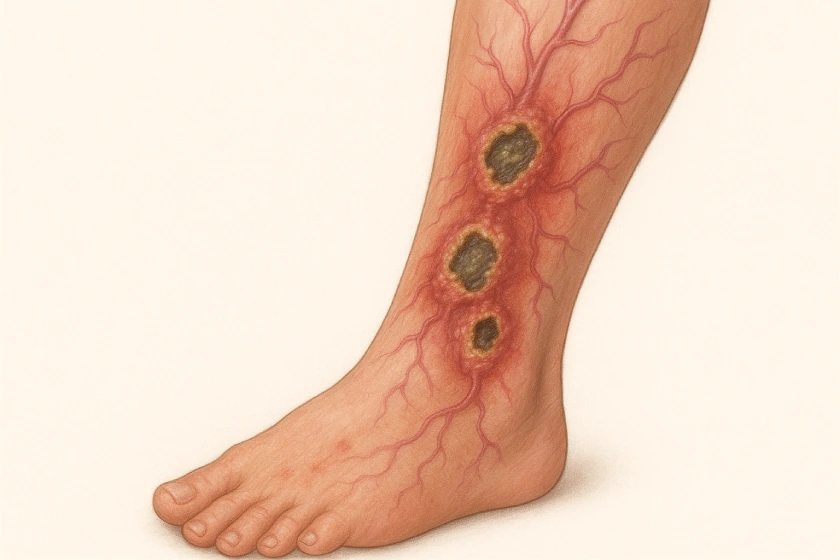
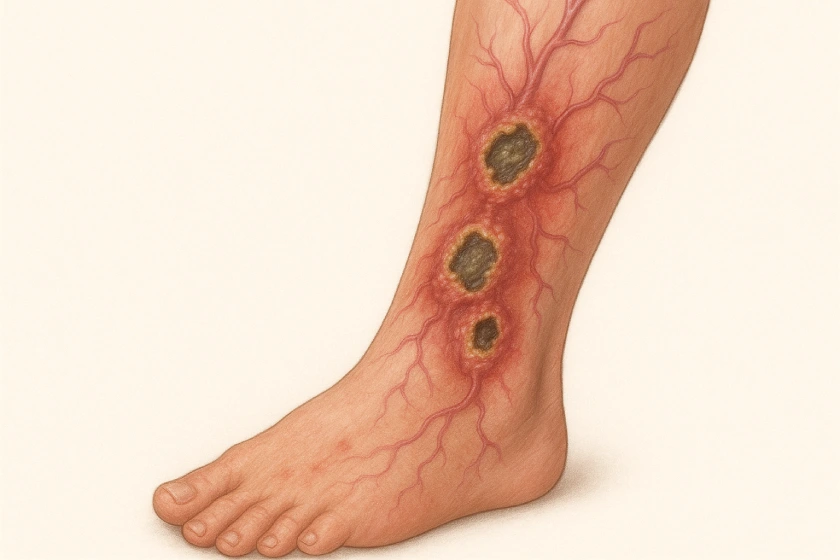
Vasculitis ulcers occur when the body’s immune system attacks its own blood vessels, leading to inflammation, narrowing, or blockage. This results in reduced blood flow, causing tissue damage and ulcer formation, usually on the legs or ankles. These ulcers often appear as painful, irregularly shaped wounds surrounded by inflamed or discoloured skin.
They can affect both small and large blood vessels, and their severity depends on how deep and widespread the inflammation is. Understanding the underlying cause is key to effective management and healing.
Causes of Vasculitis Ulcers
There are several causes of vasculitis ulcers, often linked to immune or systemic conditions. Common causes include:
- Autoimmune disorders such as rheumatoid arthritis, lupus, or polyarteritis nodosa.
- Infections, including hepatitis B or C, can trigger immune-mediated vessel inflammation.
- Medications like antibiotics or anti-seizure drugs that cause allergic vasculitis.
- Blood disorders that increase clotting or inflammation.
- Diabetes and vascular disease which may worsen circulation and delay healing.
At the Vasculitis Ulcers Clinic in Surat, our team performs thorough investigations to determine the cause before initiating treatment, ensuring better outcomes and reduced recurrence.
Symptoms of Vasculitis Ulcers
Recognising vasculitis ulcer symptoms early can help prevent complications. Key symptoms include:
- Painful red or purple spots on the legs or ankles
- Skin discolouration or bruising around the wound
- Open sores with irregular borders
- Burning or itching sensation before ulcer formation
- Fatigue or fever, indicating systemic inflammation
- Slow-healing wounds that worsen over time
If you notice any of these signs, consult a vasculitis ulcer specialist immediately to avoid further tissue damage.
Types of Vasculitis Ulcers
There are several types of vasculitis ulcers, depending on the size and type of blood vessel affected:
-
Small-vessel vasculitis ulcers:
- Commonly caused by hypersensitivity or autoimmune disorders.
- Appear as small, purplish spots that may ulcerate over time.
-
Medium-vessel vasculitis ulcers:
- Seen in conditions like polyarteritis nodosa.
- Often deeper and more painful, with possible scarring.
-
Large-vessel vasculitis ulcers:
- Rare but serious, involving arteries such as the aorta or its branches.
- Can cause extensive tissue damage and severe pain.
Each type requires a tailored management plan designed by an experienced vasculitis ulcer specialist to ensure effective recovery.
Treatment Options
At Surat Diabetic Foot and Ulcers Clinic, our approach to vasculitis ulcer treatment focuses on controlling inflammation, improving circulation, and promoting wound healing. Treatment may include:
- Medication therapy: Corticosteroids or immunosuppressants to reduce vessel inflammation.
- Antibiotics: If infection is present or suspected.
- Pain management: Using topical or oral medications.
- Compression therapy: To improve blood flow in certain cases.
- Advanced wound care: Including debridement, dressings, and negative pressure therapy.
- Lifestyle management: Addressing underlying causes such as diabetes or high blood pressure.
Every patient receives an individualised care plan, ensuring both immediate relief and long-term prevention.
Care Tips
Managing vasculitis ulcers at home requires consistent care and follow-up. Here are some essential care tips:
- Keep the wound clean and dry at all times.
- Follow prescribed medication and dressing schedules.
- Avoid scratching or applying unapproved ointments.
- Elevate your legs periodically to improve blood flow.
- Stay hydrated and maintain a balanced diet rich in vitamins C and E.
- Quit smoking, as it significantly slows healing.
Regular check-ups at a Vasculitis Ulcers Clinic are crucial for monitoring healing progress and preventing recurrence.
Conclusion
Vasculitis ulcers are more than just wounds; they are signs of deeper vascular inflammation that need timely attention. Identifying the root cause and following a guided treatment plan under an experienced vasculitis ulcer specialist can make recovery smoother and prevent future complications. At Surat Diabetic Foot and Ulcers Clinic, we combine clinical expertise with advanced wound care to help patients regain comfort, mobility, and confidence.
FAQs
What causes vasculitis ulcers?
Vasculitis ulcers are caused by inflammation of the blood vessels due to autoimmune diseases, infections, or certain medications. Reduced blood flow leads to tissue damage and ulcer formation.
What do vasculitis ulcers look like?
They usually appear as painful, irregularly shaped sores with red or purple skin around the wound. Some may have crusting, bleeding, or discolouration.
Where do these vasculitis ulcers symptoms usually appear?
Most vasculitis ulcers occur on the lower legs, ankles, or feet, where blood circulation is naturally weaker.
Are vasculitic ulcers dangerous?
Yes, if untreated, they can lead to infections, scarring, and chronic wounds. Early diagnosis and treatment by a vasculitis ulcers specialist is essential.
How are vasculitis ulcers treated?
Treatment involves controlling inflammation with corticosteroids, improving blood flow, and advanced wound care under the supervision of a Vasculitis Ulcers Clinic.