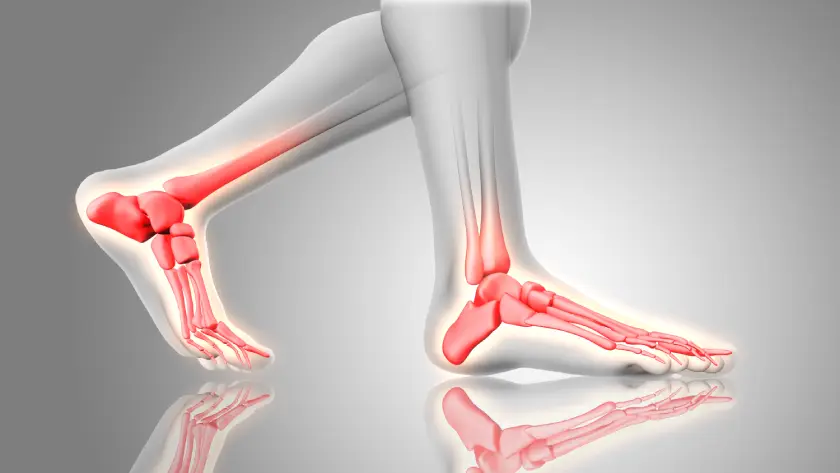

Exercise for Diabetic Foot: When & Why It Matters
Diabetes can have a profound impact on foot health, often leading to complications that affect mobility and quality of life. Reduced blood circulation and nerve damage make the feet more vulnerable to injuries, infections, and delayed healing. While medical treatment plays a crucial role, exercise for diabetic foot is an equally important component of prevention and recovery. When performed correctly, exercise supports circulation, strengthens muscles, and helps manage long-term foot-related issues in diabetic patients.
Understanding Diabetic Foot Complications
Diabetic foot complications arise primarily due to peripheral neuropathy and poor blood supply. Neuropathy reduces sensation, making it difficult for patients to detect cuts, blisters, or pressure points, while impaired circulation slows healing. Over time, this can lead to ulcers, infections, deformities, and in severe cases, tissue loss. Consistent monitoring and proper foot care for diabetic patients are essential to prevent these complications from progressing and to maintain foot health.
What Is Exercise in Diabetic Foot Care?
Exercise in diabetic foot care refers to gentle, targeted physical movements designed to improve flexibility, strength, balance, and circulation in the feet and lower limbs. Diabetic foot exercise is not about high-impact workouts but about controlled activities that promote healing and prevent further damage. These exercises are typically recommended alongside medical treatment, proper footwear, and routine foot examinations to ensure safety and effectiveness.
When Is Exercise Needed for Diabetic Foot?
Exercise is beneficial at various stages of diabetic foot management. It is especially helpful for patients experiencing stiffness, numbness, reduced mobility, or early circulation issues. Even after wound healing or non-surgical treatment , exercises for diabetic foot care help prevent recurrence and maintain functional strength. However, exercise should be avoided or modified in the presence of open wounds, active infections, or severe pain unless guided by a healthcare professional. Timely and supervised exercise ensures optimal results without increasing risk.
Common Exercises Used for Diabetic Feet
Stretching exercises focus on improving flexibility in the toes, feet, ankles, and calves. These movements reduce stiffness, enhance joint mobility, and decrease pressure on sensitive areas of the foot. Improved flexibility supports better walking patterns and reduces the risk of skin breakdown, making stretching a foundational part of foot care for diabetic patient routines.
Strengthening exercises aim to build muscle support around the feet and ankles. Weak muscles can cause imbalance and abnormal gait, leading to increased pressure on certain parts of the foot. By improving muscle strength, these exercises help distribute weight evenly and reduce the risk of ulcers. Strength-based diabetic foot exercise programs also improve stability and confidence while walking.
Circulation exercises are essential for patients with poor blood flow, a common contributor to diabetic foot complications. Simple movements such as ankle rotations and toe exercises help stimulate blood circulation to the lower limbs. Improved circulation enhances oxygen delivery, supports nerve health, and promotes faster healing of minor injuries.
Balance training helps improve stability and reduces the risk of falls, which can be particularly dangerous for diabetic patients with reduced sensation. Better balance also ensures even pressure distribution while standing and walking. Balance-focused exercises for diabetic foot care are crucial for elderly patients and those with long-standing diabetes.
Why Exercise Matters in Diabetic Foot Management
Exercise plays a preventive and supportive role in managing diabetic foot conditions. Regular exercise for diabetic foot helps improve blood sugar control, which directly affects nerve function and circulation. Physical activity also reduces inflammation, supports weight management, and enhances overall mobility. When combined with appropriate medical care, exercise significantly lowers the risk of ulcers, infections, and long-term complications.
Benefits of Exercise for Diabetic Foot Patients
The benefits of regular exercise extend beyond physical improvements. Consistent diabetic foot exercise enhances circulation, improves joint flexibility, strengthens muscles, and supports nerve health. It helps reduce swelling, prevents ulcer formation, and accelerates recovery after treatment. Exercise also improves independence, confidence, and quality of life while reinforcing effective foot care for diabetic patient practices.
Conclusion
Managing diabetic foot conditions requires a comprehensive approach that includes medical care, lifestyle modifications, and physical activity. Properly guided exercise for diabetic foot is a vital part of prevention and recovery. By incorporating structured exercises for diabetic foot care into daily routines, patients can improve circulation, reduce complications, and protect long-term foot health.
FAQs
When should a diabetic patient start exercising for foot problems?
Exercise can begin as soon as early symptoms such as stiffness or reduced circulation appear, provided there are no open wounds or infections and medical guidance is followed.
How does exercise help prevent diabetic foot complications?
Exercise improves blood circulation, supports nerve health, and strengthens muscles, reducing the risk of ulcers, infections, and other diabetic foot complications.
What types of exercises are used for diabetic foot care?
Stretching, strengthening, circulation, and balance-focused movements are commonly included in exercises for diabetic foot care programs.
Can exercise reduce the need for surgery in diabetic foot patients?
Yes, regular and appropriate diabetic foot exercise can help prevent worsening conditions and may reduce the need for surgical intervention when combined with proper medical care.