When Do Diabetic Patients Need Ankle Foot Orthotics Instead of Shoes
Diabetic patients often face unique challenges when it comes to foot health. High blood sugar levels can lead to nerve damage, poor circulation, and an increased risk of foot injuries. Over time, these issues can contribute to ulcers, infections, and deformities if not properly managed. While specialized diabetic shoes provide support and protection, there are situations where ankle foot orthotics offer superior benefits. Understanding when to use orthotics, how they differ from regular footwear, and the advantages they provide is essential for maintaining long-term foot health.
Common Foot Issues Faced by Diabetic Patients
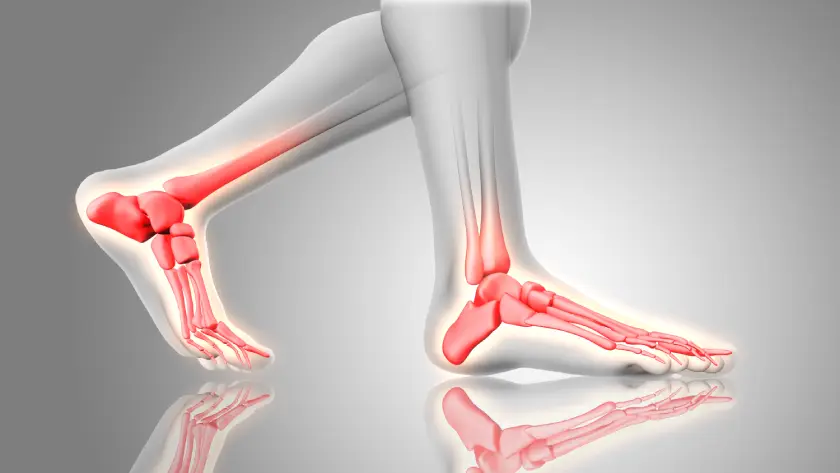
Diabetic patients are prone to a variety of foot problems due to peripheral neuropathy and reduced blood flow. Common conditions include neuropathic ulcers, calluses , bunions, hammertoes, Charcot foot, and high-pressure areas that can lead to skin breakdown. Reduced sensation often prevents patients from noticing minor injuries, allowing small wounds to worsen into serious infections. This makes preventive measures, including appropriate footwear and diabetic foot orthotics, crucial for protecting the feet and avoiding complications.
What Are Ankle Foot Orthotics?
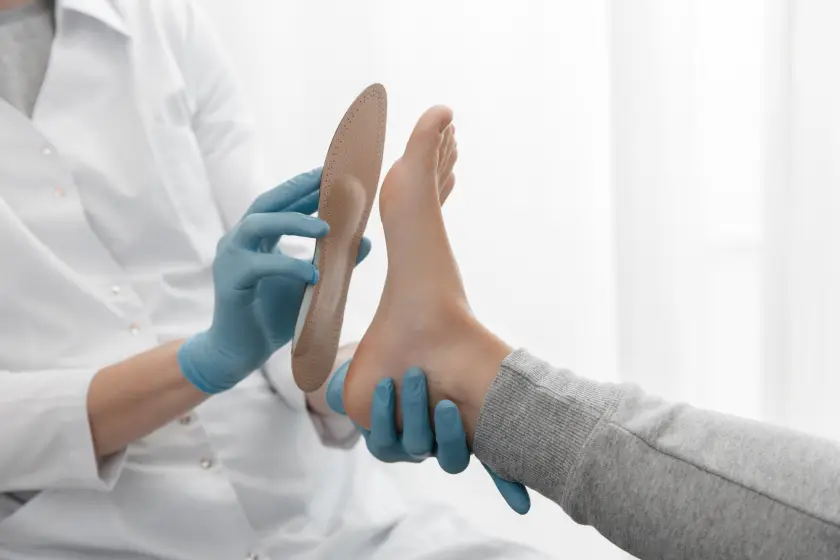
Ankle foot orthotics are custom or semi-custom devices designed to support the foot and ankle, distribute pressure evenly, and correct alignment issues. These devices are often used in patients who experience structural deformities, unstable gait, or recurring ulcers. Orthotics can be rigid, semi-rigid, or soft depending on the patient’s needs, and are tailored to address specific foot problems. Orthotic devices may be worn inside shoes or as part of specialized footwear systems to provide targeted support and protection for vulnerable areas.
Why Regular Diabetic Shoes Are Sometimes Not Enough
While diabetic shoes are designed to accommodate sensitive feet, they may not provide adequate correction for more complex problems. Patients with severe deformities, limited joint mobility, or recurring ulcers often require additional support that shoes alone cannot offer. In such cases, ankle foot orthotics are recommended to redistribute pressure, stabilize the foot, and prevent further injury. By combining orthotic devices with diabetic footwear, patients achieve a higher level of protection and functionality.
Key Signs You May Need Ankle Foot Orthotics
Certain indicators suggest that ankle foot orthotics may be necessary. These include frequent or recurring ulcers, high-risk foot deformities, uneven weight distribution, chronic pain in the foot or ankle, and instability while walking. Patients who notice pressure points, callus formation, or difficulty fitting standard shoes comfortably may also benefit from orthotics. Early intervention can prevent worsening of foot conditions and reduce the risk of serious complications.
How Ankle Foot Orthotics Help Protect Diabetic Feet
Diabetic foot orthotics provide support that targets specific areas prone to stress or injury. They help offload pressure from high-risk zones, redistribute weight evenly, and maintain proper alignment of the foot and ankle. This reduces the risk of skin breakdown, callus formation, and ulcer recurrence. By stabilizing the foot, orthotics also improve gait, prevent falls, and enhance overall mobility for patients with neuropathy or structural deformities.
Benefits of Choosing Ankle Foot Orthotics Over Shoes
The benefits of ankle foot orthotics extend beyond standard footwear. Orthotics provide individualized support tailored to a patient’s anatomy and risk factors, offering superior pressure distribution and protection. They reduce the likelihood of ulcer formation, improve walking efficiency, and can help slow the progression of deformities. For high-risk patients, orthotic devices can be life-changing, preventing repeated injuries, reducing hospitalizations, and improving quality of life.
Conclusion
For many diabetic patients, proper footwear is critical, but it is not always enough. Ankle foot orthotics provide advanced support, alignment correction, and pressure redistribution that standard diabetic shoes cannot achieve. Patients with deformities, recurring ulcers, or mobility challenges benefit significantly from the use of orthotic devices. Early evaluation by a specialist ensures that orthotics are customized to meet the patient’s needs, protecting the feet from complications and promoting long-term health.
FAQs
When should a diabetic patient consider ankle foot orthotics instead of regular shoes?
Diabetic patients should consider ankle foot orthotics if they notice recurring foot ulcers, deformities such as bunions or claw toes, instability while walking, chronic foot pain, or pressure points that cannot be adequately managed with standard diabetic footwear. Orthotics are also recommended for patients with neuropathy or limited joint mobility, as these devices provide extra support and protection that regular shoes alone cannot offer. Consulting a podiatrist or diabetic foot specialist is essential before choosing orthotics.
How do ankle foot orthotics help protect diabetic feet?
Ankle foot orthotics protect diabetic feet by offloading pressure from high-risk areas, redistributing weight evenly across the foot, and stabilizing the ankle and arch. This reduces stress on vulnerable areas, prevents callus formation, and lowers the risk of skin breakdown or ulcer recurrence. By improving overall foot alignment and movement, orthotics can also enhance gait efficiency and reduce strain on other parts of the lower limb.
Are ankle foot orthotics worn inside shoes?
Yes, most orthotic devices are designed to be worn inside diabetic shoes or specially modified footwear. This allows the orthotics to provide targeted support while maintaining comfort and protection. The combination of orthotics with appropriate footwear ensures that pressure points are minimized, the foot is properly aligned, and the risk of injury or ulceration is significantly reduced.
How long does it take to adjust to ankle foot orthotics?
Adjustment to ankle foot orthotics varies depending on the patient’s condition, activity level, and the type of device used. Most patients take a few days to a few weeks to fully adapt. It is recommended to start with short wear periods and gradually increase daily use. This allows the feet to adapt comfortably, prevents irritation, and ensures the orthotics deliver optimal support without causing new pressure points or discomfort.