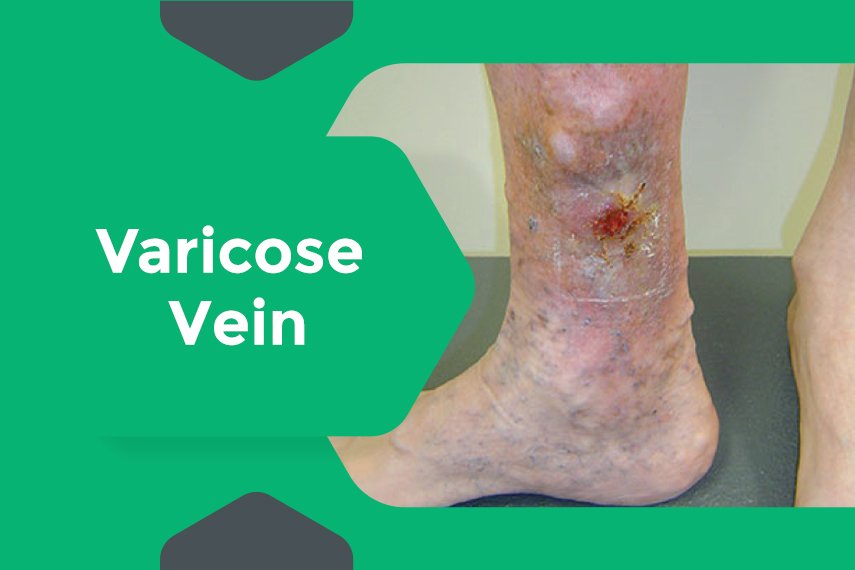
Leg and foot ulcers that are not caused by diabetes
Not every wound on the leg or foot comes from diabetes. Ulcers can also start from swollen veins, blocked arteries, inflamed blood vessels, long periods of pressure, or a small injury that never closed. Each cause needs a different plan, so finding the cause comes before choosing a dressing.
Common types we see
- Venous ulcers: near the ankle, often with swelling, darkened skin and visible veins. Read more about varicose vein treatment.
- Vasculitis ulcers: painful sores linked to inflammation of small blood vessels. Read more about vasculitis ulcers.
- Arterial, pressure and post-injury ulcers: wounds that stay open because of poor blood flow or repeated pressure. See other nonhealing ulcers.
When to get an ulcer checked
See a doctor if a wound is slow to heal, keeps coming back in the same spot, smells, has spreading redness, or makes the leg swell. The right time to come in depends on the wound and your overall health, and early review is simpler than treating a wound that has gone deep.
What the first visit includes
Dr. Ashutosh Shah examines the wound and checks blood flow and swelling. Tests such as a Doppler scan or blood tests are advised only when needed. Treatment can include wound dressings, compression, vein procedures or surgery, depending on the cause. Vein procedures are done at the clinic itself.