
Fungal Foot Infection in Vizianagaram: Causes, Symptoms and Treatment
Written by Dr. Ashutosh Shah, MBBS, MCh (Plastic & Reconstructive Surgery) – Diabetic Foot Surgeon, Elegance Diabetic Foot And Ulcers Clinic, Surat. 22+ years of surgical experience.
Medically reviewed by Dr. Ashutosh Shah · Published 18 June 2026 · Last reviewed 18 June 2026.
A fungal foot infection in Vizianagaram is a common skin or nail infection caused by fungi that thrive in the city’s hot, humid climate. It causes itching, peeling, redness and discoloured nails. For people with diabetes it can turn serious, so early antifungal treatment and a specialist check-up are important.
Vizianagaram’s warm, coastal weather and long sweaty months make the feet an easy target for fungus. Most cases are mild and treatable at home, but in people with diabetes even a small fungal crack can open the door to a dangerous infection. This guide explains what a fungal foot infection is, why it happens, how it is treated, and exactly when you should see a specialist.
What is a fungal foot infection?
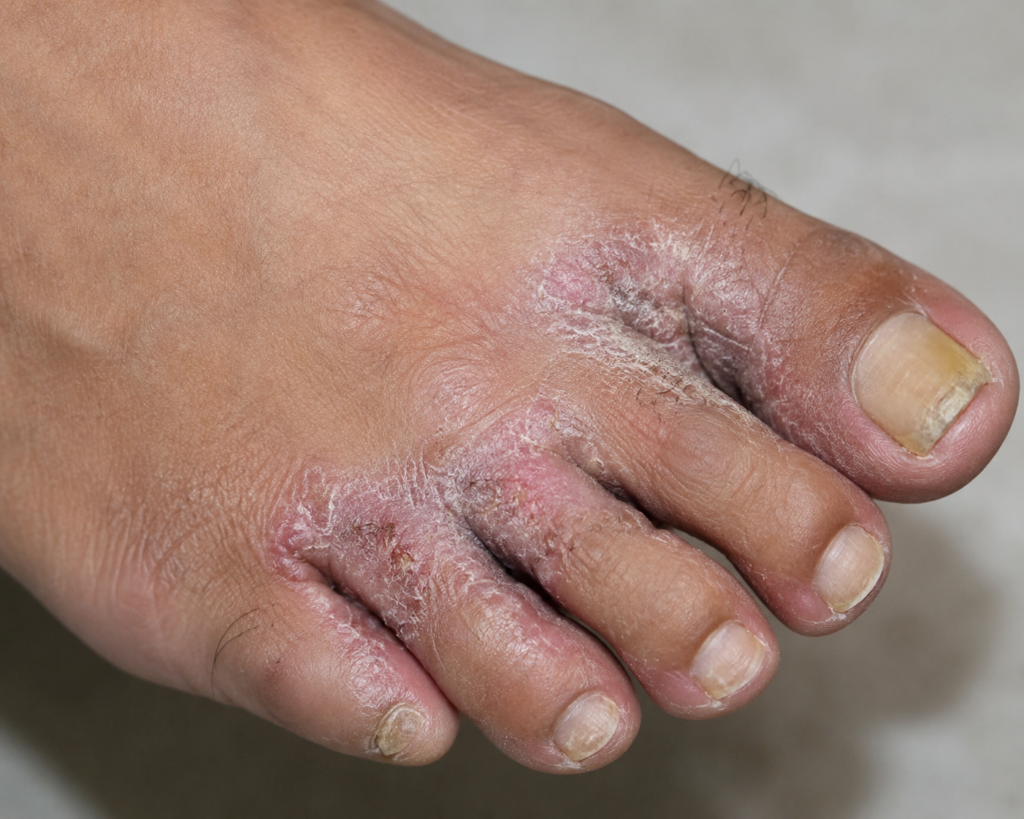
A fungal foot infection is an infection of the skin or nails of the foot caused by tiny fungi called dermatophytes. The two most common forms are athlete’s foot (tinea pedis), which affects the skin, and fungal nail infection (onychomycosis), which affects the toenails.
These fungi feed on keratin, the protein in skin and nails, and grow fastest in warm, moist, dark places, exactly the conditions inside a closed shoe in Vizianagaram’s climate. Learn more about the skin form on our fungal foot infection page.
What causes fungal foot infections in Vizianagaram?
Fungal foot infections are caused by fungi that spread through warmth, moisture and direct contact. Vizianagaram’s humid weather, sweaty feet and shared wet surfaces create ideal breeding conditions.
Common triggers include:
- Sweaty feet trapped in closed shoes or synthetic socks for long hours.
- Walking barefoot in shared wet areas, temple tanks, public baths, gyms and pool decks.
- Not drying between the toes after a bath or after the rains.
- Sharing footwear, towels or nail clippers with an infected person.
- Tight, non-breathable footwear and prolonged dampness during monsoon.
- Reduced immunity or poorly controlled blood sugar in people with diabetes.
What are the symptoms and warning signs?
The first signs of a fungal foot infection are usually itching, peeling skin and redness, most often starting between the smallest toes. Nail infections show up as thick, discoloured or crumbling toenails.
Watch for these symptoms:
- Itching, burning or stinging between the toes or on the sole.
- Peeling, flaking, cracking or softened white skin.
- Redness, scaling, or small fluid-filled blisters.
- An unpleasant foot odour.
- Toenails that turn yellow-brown, thicken, become brittle, or lift from the nail bed (a sign of fungal nails).
If you have diabetes, do not wait for pain. Nerve damage can mute the usual warning signals, so a serious infection may be present even when your foot feels normal.
Why is a fungal foot infection more dangerous in diabetes?
In people with diabetes, a simple fungal infection can become a limb-threatening problem. The cracks and broken skin caused by fungus let bacteria enter, while high blood sugar and poor circulation slow healing and weaken the body’s defences.
A fungal crack between the toes can progress to a bacterial skin infection such as cellulitis, a non-healing ulcer, or deeper infection. This is why diabetic patients should treat any foot fungus early and have it reviewed by a specialist rather than ignoring it. The American Diabetes Association similarly advises people with diabetes to check their feet daily and treat skin breaks promptly.
In our clinic in Surat, a large share of diabetic foot complications begin as something as minor as untreated athlete’s foot or a fungal toenail. Catching the fungus at the itching-and-peeling stage is far simpler than managing the ulcer it can cause.
How is a fungal foot infection diagnosed?
A fungal foot infection is usually diagnosed by examining the skin and nails, and confirmed when needed with a simple skin scraping or nail clipping sent to a lab. This identifies the exact fungus and rules out look-alike conditions.
For diabetic patients, the doctor also checks circulation, sensation and overall foot health so any hidden risk is caught early. These assessments are part of our non-surgical management programme.
How is a fungal foot infection treated?
Most fungal foot infections are treated with antifungal medicines creams or powders for the skin and tablets or medicated lacquers for stubborn nail infections. Treatment must be continued for the full course, even after the foot looks better, to prevent the fungus returning. Guidance from Mayo Clinic notes that many skin infections respond to topical antifungals, while resistant or nail cases often need oral medication.
Typical treatment options:
- Topical antifungals: creams, sprays or powders applied for 2-6 weeks for athlete’s foot.
- Oral antifungals: tablets for widespread or nail infections, taken for several weeks to months under medical supervision.
- Antifungal nail lacquer: for early or mild fungal toenails.
- Keeping feet dry: moisture control with breathable footwear and daily drying between the toes.
- Nail procedures: for thick, painful or severely deformed nails, minor fungal nail correction may be advised.
In diabetes, treatment is tailored carefully, some oral antifungals interact with other medicines, so self-medication is not safe. Always confirm the plan with your doctor.
Skin infection vs. nail infection: a quick comparison
| Feature | Athlete’s foot (skin) | Fungal nail (onychomycosis) |
|---|---|---|
| Main location | Between toes, sole | Toenails |
| Look | Peeling, redness, blisters | Thick, yellow, crumbling nail |
| First-line treatment | Antifungal cream / powder | Oral tablets or medicated lacquer |
| Typical duration | 2-6 weeks | 3-12 months |
| Recurrence risk | Moderate | High if footwear/hygiene unchanged |
How can you prevent fungal foot infections at home?
You can prevent most fungal foot infections by keeping your feet clean, dry and well-aired, especially important in Vizianagaram’s humidity. Moisture control is the single most effective step.
Simple daily habits:
- Wash and thoroughly dry your feet every day, particularly between the toes.
- Change socks daily; choose cotton or moisture-wicking fabrics over synthetics.
- Rotate footwear so shoes can dry out fully, and use antifungal foot powder.
- Never walk barefoot in public wet areas; wear slippers.
- Don’t share towels, socks, shoes or nail clippers.
- If you have diabetes, inspect your feet daily and follow a structured daily foot care routine.
When should you see a doctor?
See a doctor if the infection does not improve within two weeks of treatment, keeps coming back, spreads, or affects your toenails. If you have diabetes, see a foot specialist promptly for any fungal infection, do not wait.
Seek urgent care if you notice spreading redness, swelling, warmth, pus, increasing pain, fever, or any open sore or non-healing crack on the foot. In diabetes these are red flags for a serious infection that needs immediate attention.
Fungal foot treatment at Elegance Diabetic Foot And Ulcers Clinic
At Elegance Diabetic Foot And Ulcers Clinic, Dr. Ashutosh Shah treats fungal foot and nail infections with a focus on protecting the diabetic foot, combining accurate diagnosis, the right antifungal plan, and prevention of complications such as ulcers and limb-threatening infections.
Patients from Vizianagaram and across Andhra Pradesh are welcomed through our out-station patient support, with guidance available before you travel. Learn about the surgeon on the Dr. Ashutosh Shah page.
Frequently Asked Questions
Yes, most fungal foot infections can be cured with the correct antifungal treatment taken for the full course. Skin infections clear in a few weeks, while nail infections take several months. Without good foot hygiene and dry footwear, however, the fungus often returns, so prevention is essential.
It can be. In diabetes, fungal cracks let bacteria enter, and poor circulation with high blood sugar slows healing. A minor infection can progress to cellulitis or a non-healing ulcer. This is why people with diabetes should treat foot fungus early and have it checked by a foot specialist.
Athlete’s foot usually improves within two to six weeks of antifungal treatment. Fungal toenail infections are slower and may take three to twelve months because the nail must grow out. Completing the full treatment course, even after symptoms ease, gives the best chance of a lasting cure.
Recurring foot fungus is usually due to constant warmth and moisture. Vizianagaram’s humid climate, sweaty closed shoes, and walking barefoot on shared wet surfaces let fungus return easily. Keeping feet dry, rotating footwear, using antifungal powder and treating infected nails fully helps break the cycle of reinfection.
Mild athlete’s foot can often be managed at home with an over-the-counter antifungal cream and careful foot drying. However, if you have diabetes, the infection is spreading, affects the nails, or does not improve in two weeks, see a doctor. Self-medication can be unsafe with certain conditions and medicines.
What is the difference between athlete’s foot and a fungal nail?
Athlete’s foot affects the skin, causing itching, peeling and redness between the toes and clears in a few weeks with creams. A fungal nail infection affects the toenail, making it thick, yellow and brittle, and needs longer treatment with tablets or medicated lacquer, sometimes minor nail correction.
Medical disclaimer: This article is for educational purposes only and is not a substitute for professional medical diagnosis or treatment. Please consult Dr. Ashutosh Shah or a qualified foot specialist for advice specific to your condition.
Worried about a fungal foot infection? Get an expert assessment and a safe treatment plan book an appointment with Dr. Ashutosh Shah today.