
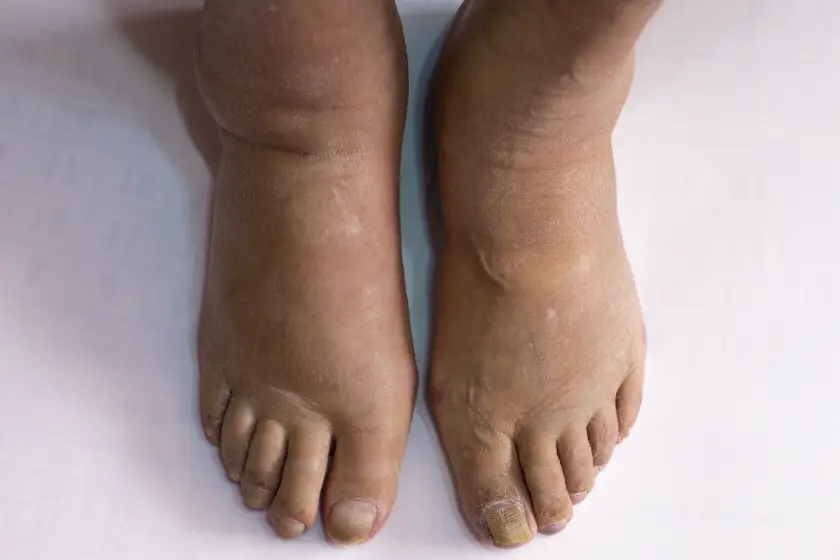
10 Tips to Treat Swollen Feet from Diabetes
Swelling in the feet and legs is a common problem in people with diabetes. It may start as mild puffiness but can become painful and uncomfortable over time. Many patients at Surat Diabetic Foot and Ulcer Clinic visit us with diabetes swollen feet, not knowing why the swelling occurs or how to reduce it safely. When diabetes affects blood flow, nerves, and kidney function, the body may retain fluid, leading to diabetic feet swelling, diabetes swollen legs, or even swelling of the ankles and toes.
Ignoring this problem can increase the risk of infections, ulcers, walking difficulty, and long-term complications. The good news is that simple daily steps can help reduce swelling and protect your foot health. Below are ten easy and effective tips that patients can follow at home. These steps are safe for most people, but diabetic patients should always consult a doctor or a diabetic foot surgeon if swelling is severe, sudden, or painful.
Tip 1: Elevate Your Feet Above Heart Level
One of the easiest ways to reduce diabetic foot swelling is to elevate your feet. When you raise your feet above the level of your heart, it helps fluid move back into circulation instead of pooling in the lower legs.
Try this:
- Lie down and place pillows under your feet
- Prop up your legs while sitting
- Avoid hanging your legs for long hours
This improves blood flow and reduces heaviness.
Tip 2: Wear Compression Stockings
Compression stockings are very effective in reducing diabetes leg swelling. They gently squeeze the legs, helping push fluid back toward the upper body. This can prevent swelling from worsening throughout the day.
Choose stockings that:
- Are the right size
- Provide mild to medium pressure
- Are recommended by a doctor
At our foot care clinic, patients often receive guidance on selecting the correct compression level.
Tip 3: Stay Hydrated and Limit Salt Intake
Many people think drinking less water reduces swelling, but it actually increases it. When the body is dehydrated, it retains more fluid, causing swelling.
To prevent leg swelling in diabetic patients:
- Drink adequate water every day
- Avoid salty snacks and packaged foods
- Limit restaurant meals
- Choose fresh, home-cooked food
Keeping sodium levels balanced helps the body avoid fluid build-up.
Tip 4: Take Short, Frequent Walks
Staying active helps improve blood flow in the legs. Long periods of sitting or standing worsen swelling. Short walks encourage muscles to pump fluid back into the bloodstream.
Try:
- 5–10 minute walks every hour
- Easy stretching
- Moving your ankles while sitting
Even small movements help reduce diabetes swollen feet.
Tip 5: Soak Feet in Epsom Salt
A warm Epsom salt foot soak can provide relief from swelling and discomfort. Epsom salt contains magnesium, which may help reduce inflammation and ease soreness.
Steps:
- Fill a bucket with warm (not hot) water
- Add Epsom salt
- Soak feet for 10–15 minutes
This is soothing but should be avoided if you have open wounds, cracks, or severe neuropathy. Patients should always ask their doctor before trying this home remedy.
Tip 6: Manage Blood Sugar Strictly
Uncontrolled blood sugar is one of the biggest reasons for fluid retention and swelling in diabetic patients. High sugar levels damage nerves and blood vessels over time.
Better blood sugar control can prevent:
- Swelling
- Nerve pain
- Slow wound healing
- Foot infections
Regular monitoring, medicines, and lifestyle changes are essential. At Surat Diabetic Foot and Ulcer Clinic, we also guide patients on long-term foot protection as part of diabetes management.
Tip 7: Get a Gentle Foot Massage
A light massage helps improve circulation, relax muscles, and reduce swelling. It should be gentle, especially in people with neuropathy who may not feel pressure correctly.
Massage tips:
- Use coconut or olive oil
- Lift and rotate the ankles slowly
- Massage from toes toward the ankle
- Avoid pressing too hard
A caregiver can help with the massage if the patient has trouble reaching their feet.
Tip 8: Keep Moving Your Ankles and Toes
Simple foot and ankle exercises are very helpful for reducing swelling. These movements improve circulation without putting pressure on the feet.
Try:
- Ankle circles
- Toe wiggling
- Flexing and pointing the toes
- Raising and lowering heels while sitting
These can be done any time of the day and are especially useful for those who sit for long hours.
Tip 9: Maintain a Healthy Weight
Extra weight puts more pressure on the legs and causes fluid retention. Losing even a small amount of weight can help decrease swelling and improve overall comfort.
Healthy weight management includes:
- Balanced meals
- Regular activity
- Good sleep
- Avoiding sugary drinks
Patients often notice improvement in diabetes swollen legs after weight reduction.
Tip 10: Visit a Foot Specialist If Swelling Persists
If swelling does not improve despite home care, it may be a sign of nerve damage, blood circulation problems, or kidney issues. Persistent diabetic foot swelling should always be checked by an expert.
A diabetic foot surgeon or foot specialist will:
- Examine circulation
- Check for nerve damage
- Look for hidden infections
- Recommend personalised treatment
At Surat Diabetic Foot and Ulcer Clinic, we provide detailed evaluation and long-term care plans to protect diabetic feet and prevent complications.
Conclusion
Swollen feet are common in diabetic patients, but they should never be ignored. Simple steps like elevating the feet, managing blood sugar, staying active, and wearing compression stockings can make a big difference. However, if swelling is severe, sudden, or painful, it is important to seek medical help immediately.
At Surat Diabetic Foot and Ulcer Clinic , we help patients understand the cause of their swelling, treat it safely, and prevent long-term complications. With the right care and attention, diabetic patients can keep their feet healthy and avoid serious problems.
FAQs
How do diabetics get rid of swollen feet?
Diabetics can reduce swelling by elevating the feet, wearing compression stockings, staying hydrated, limiting salt intake, managing blood sugar, and taking short walks. If swelling persists, they should see a foot specialist.
Can diabetes cause blisters?
Yes. Diabetes can cause painless blisters due to poor nerve function and circulation issues. These blisters can appear suddenly and should be checked by a doctor to prevent infection.
How to reduce swollen feet during pregnancy?
Rest with feet elevated, drink enough water, avoid salty food, wear comfortable shoes, and take gentle walks. Persistent or sudden swelling must be checked by a doctor.
What are the 5 stages of diabetic foot?
The five stages are:
- No symptoms
- Calluses or skin changes
- Ulcer formation
- Infection
- Gangrene or severe tissue damage