
Can Charcot Foot Be Reversed? Causes, Stages & Diabetic Treatment
Charcot foot is one of the most damaging complications seen in people with diabetes, yet most patients are unaware of how quickly it can progress. Many people notice swelling, redness, or warmth in their foot but ignore it, thinking it is a minor sprain. At Surat Diabetic Foot and Ulcer Clinic, we often meet patients who come for help only after the condition has already caused significant deformity. The most common question they ask is: “Can diabetic foot Charcot be reversed?”
The truth is that once the bones of the foot collapse or deform, the structural changes cannot be reversed back to normal. However, early diagnosis and proper management can slow down the damage and prevent the condition from becoming worse. With timely intervention, patients can walk safely, avoid deformity, and reduce the risk of ulcers or amputations. Understanding how Charcot foot develops and what treatments exist is the first step in protecting your foot health.
Understanding Charcot Foot Development
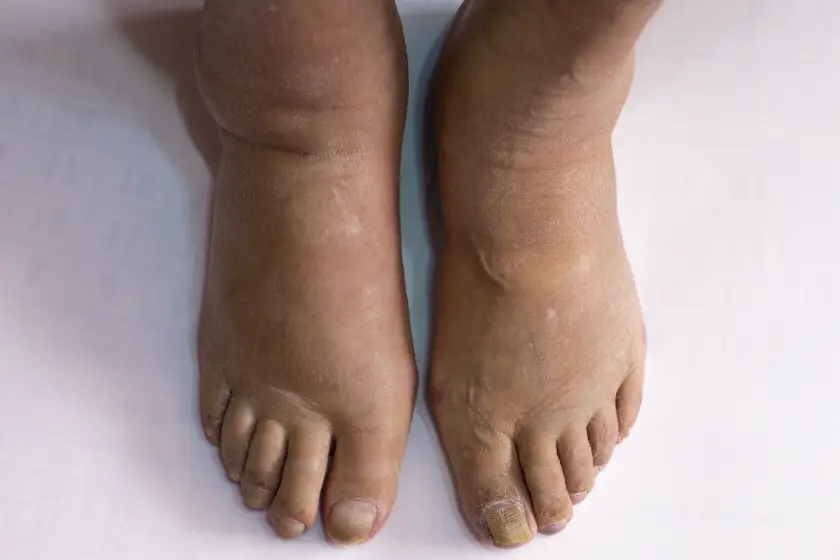
Charcot foot mainly develops in people with long-standing diabetes who have severe nerve damage, known as neuropathy . When nerves in the feet stop working properly, the patient loses the ability to feel pain, heat, or pressure. This means they may continue walking on an injured foot without realising it. Even small fractures or repeated strain can go unnoticed.
Because there is no pain to warn the person, the bones continue to weaken. Over time, they can shift out of place or collapse. This leads to a visibly deformed foot. If this is not treated quickly, the deformity becomes permanent, and walking becomes unsafe.
Some of the earliest signs include:
- Swelling in one foot
- Warmth or redness
- Foot becoming unstable or “loose”
- A sudden change in the shape of the foot
- Difficulty walking normally
If ignored, the arch may collapse completely, forming a “rocker-bottom” deformity. This creates too much pressure on certain parts of the foot, making the patient very likely to develop ulcers.
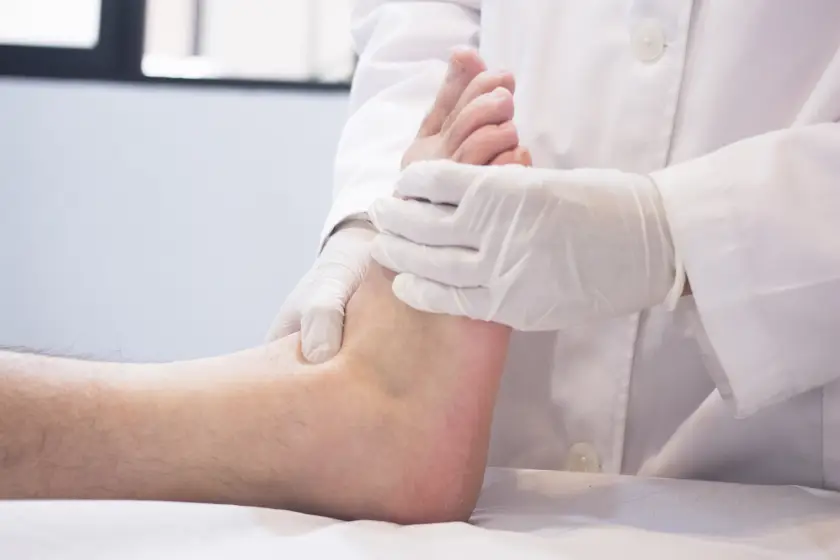
At Surat Diabetic Foot and Ulcer Clinic, we use neuropathy testing, pressure mapping, and X-rays to detect early changes in bone alignment. Early diagnosis is the best chance to stop Charcot from worsening.
Charcot Foot Treatment Options
Although Charcot foot cannot be fully reversed after deformity or bone collapse, early treatment can control and stabilise the condition. Effective charcot foot treatment options aim to protect the bones, prevent further collapse, and maintain the ability to walk safely.
Below are the most commonly recommended charcot foot treatment options:
Total Contact Casting (Immobilisation)
This is the most important early treatment. A special cast is placed on the foot to reduce pressure and prevent further movement of weak bones. This helps the bones heal in a more stable position.
Offloading Devices
After the cast is removed, patients may need braces, custom boots, or offloading footwear. This reduces strain on fragile bones and allows safe walking.
Custom Footwear
Patients are advised specialised diabetic footwear to reduce pressure points. These are essential to prevent ulcers or re-injury.
Medication Support
Some patients may be given medicines to reduce swelling or support bone healing. While these do not reverse Charcot foot, they help manage symptoms better.
Regular Monitoring
Monthly check-ups and repeated X-rays help assess whether the foot is healing or if more support is needed.
Rehabilitation & Physical Therapy
charcot foot treatment physical therapy focuses on balance training, strengthening weak muscles, improving joint movement, and teaching safe walking techniques. Physical therapy does not reverse Charcot, but it improves mobility and reduces the risk of falls.
Surgical Treatment (Advanced Cases)
If deformity is severe or the foot becomes unstable, surgery may be recommended. The goal is to realign bones and create a stable base for walking. Surgery is usually suggested when other methods do not provide enough support.
At every stage, the goal is the same to protect the foot from further damage and maintain function.
Advanced Charcot Foot Treatment in India
The availability of charcot foot treatment in india has improved significantly. Many centres now offer advanced diagnostic tools and specialised care for diabetic patients. Treatment plans often include:
- Total contact casting
- Offloading footwear
- Custom orthotic devices
- Detailed pressure mapping
- Diabetic wound care
- Reconstructive surgery
At Surat Diabetic Foot and Ulcer Clinic, our approach combines early diagnosis with advanced care. We use:
- Nerve health testing
- Vascular assessment
- Foot pressure scans
- Immediate immobilisation for early Charcot
- Customised diabetic footwear
- Advanced ulcer prevention techniques
Because charcot foot treatment in india progresses silently, early help is crucial.
Treatment for Diabetic Feet: Prevention and Long-Term Care
Diabetes affects both nerves and blood flow, which increases the risk of foot problems. Charcot foot is often a result of long-term unnoticed injuries. This makes preventive care extremely important.
Effective treatment for diabetic feet includes long-term habits such as:
Daily Foot Checks
Check for swelling, redness, cuts, or changes in shape every day.
Blood Sugar Control
Stable sugar levels slow down nerve damage and reduce complications.
Safe Foot Care
Do not remove corns or calluses at home. Avoid walking barefoot.
Proper Footwear
Use supportive shoes that reduce pressure. Avoid tight or flat footwear that strains the foot.
Early Treatment of Even Minor Wounds
Small wounds can become dangerous quickly. Early care prevents infections.
Routine Check-Ups
Every diabetic patient should visit a foot specialist at least once a year, even if they have no symptoms.
At Surat Diabetic Foot and Ulcer Clinic, patients receive comprehensive long-term care aimed at protecting nerve health, preventing ulcers, and avoiding deformity.
When to Seek Immediate Care
charcot foot treatment options require urgent medical attention. You should seek help immediately if you notice:
- Sudden swelling in one foot
- Warmth or redness
- A change in the shape of your foot
- An area that collapses or bulges
- Difficulty standing or walking
- A new ulcer on the foot
People with neuropathy may not feel pain even in severe cases. Ignoring early signs can lead to permanent deformity or even amputation. Early diagnosis is the only way to prevent major damage.
At Surat Diabetic Foot and Ulcer Clinic, early-stage Charcot cases are treated with immediate immobilisation, detailed assessment, and customised treatment plans to protect the structure and function of the foot.
FAQs
Can Diabetic Foot Charcot Be Reversed?
Once severe deformity develops, Charcot foot cannot be reversed to its original structure. But early diagnosis and treatment can stop the progression, protect the foot, and prevent further damage.
Does Charcot Ever Go Away?
Charcot foot has active and stable phases. The active phase reduces with proper immobilisation and care, but the structural changes that have already occurred do not go away completely.
Can Diabetic Neuropathy in the Feet Be Reversed?
Most diabetic neuropathy cannot be fully reversed. Good sugar control, proper footwear, early care, and regular foot monitoring can prevent further nerve damage.
What is the Most Common Cause of Charcot Foot?
Severe nerve damage (neuropathy) is the main cause. Because patients cannot feel injuries or fractures, the bones weaken and shift without being noticed.
Has Anyone Ever Reversed Diabetic Neuropathy?
Neuropathy cannot usually be reversed once it has set in. However, lifestyle changes, blood sugar control, and regular follow-up can slow down the progression and reduce symptoms.