The Role of Blood Circulation Problems in Vasculitis Ulcers
When the body’s blood vessels turn fragile, inflamed, or narrowed, the skin often becomes the first storyteller. Painful wounds, delayed healing, and discoloured patches can signal something deeper than a simple injury. Understanding Blood Circulation Problems in Vasculitis Ulcers is essential because these ulcers are not ordinary wounds. They form when damaged vessels can no longer deliver oxygen and nutrients to the skin. This article uncovers why these ulcers appear, how they connect to circulation issues, and the importance of timely care from the right specialists.
What are Vasculitis Ulcers?
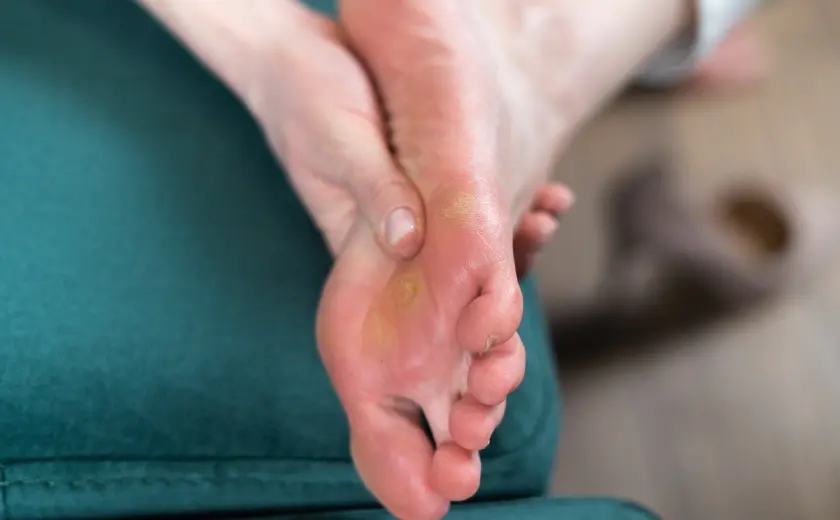
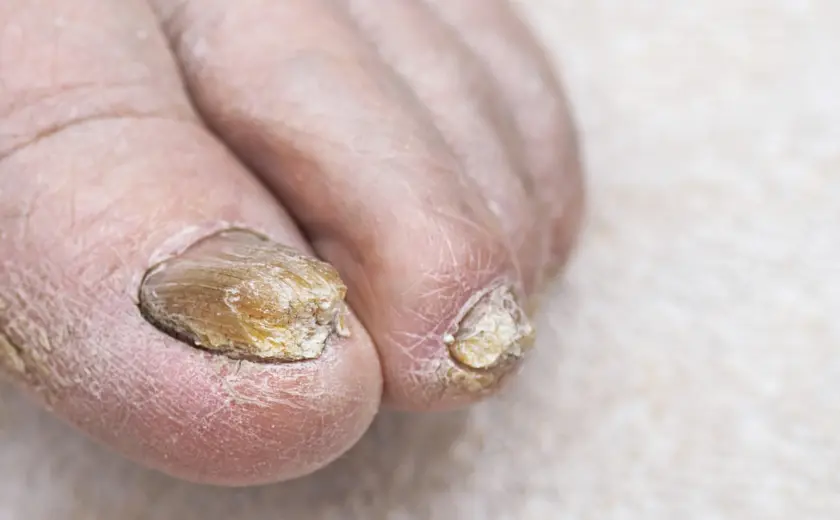
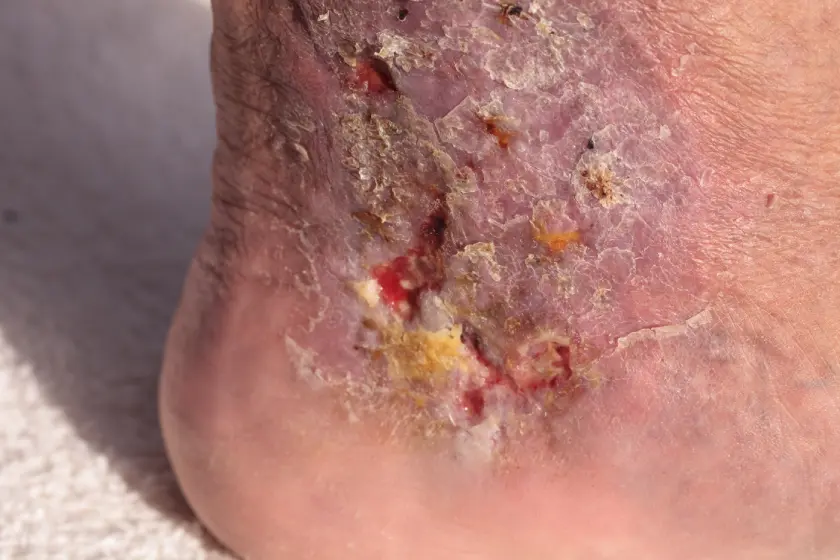
Vasculitis ulcers are painful, open sores that develop when the blood vessels supplying the skin become inflamed. This inflammation restricts blood flow, which eventually weakens the surrounding tissues. These wounds may appear on the legs, feet, arms, or anywhere circulation is compromised.
Because vasculitis is an immune-driven condition, these ulcers need specialised care from a Vasculitis ulcer treatment clinic. Managing both the wound and the underlying disease is essential for long-term healing.
What Causes Vasculitis?
Vasculitis occurs when the immune system mistakenly attacks the blood vessels. This attack can be triggered by several factors. These include autoimmune disorders, chronic infections, allergic reactions, certain medications, and sometimes genetic predisposition. The vessel walls become inflamed, which narrows their passage and reduces the blood supply to the skin. Over time, this restricted flow creates ideal conditions for the development of vasculitic skin ulcers.
How Blood Circulation Problems Contribute
Circulation is the silent engine that keeps tissues alive. When blood does not reach an area adequately the skin weakens. Poor blood flow intensifies the damage caused by vasculitis. This combination makes ulcers more painful, more resistant to healing, and more prone to infection.
Reduced oxygen, slower waste removal, and fragile vessels mean that the body finds it difficult to repair itself. This is why early evaluation by a vascular specialist for vasculitis ulcers can save months of discomfort and prevent complications.
Signs and Symptoms
Vasculitis ulcers rarely appear alone. They usually bring warning signs that indicate vessel inflammation and circulation issues. Common symptoms include:
- Discolouration or purplish patches on the skin
- Painful or tender areas on the legs or feet
- Swelling in affected areas
- Small red or purple spots (petechiae)
- Burning or throbbing sensation
- Slow-healing or non-healing wounds
- Blackened or necrotic edges around the ulcer
If any of these symptoms appear persistently, it may be time to visit a vasculitis ulcer wound care centre for a thorough check.
Diagnosis
Diagnosing vasculitis ulcers involves more than checking the surface. Doctors assess both the wound and the blood vessels that supply it. Common diagnostic steps include:
- Physical examination of the ulcer
- Blood tests to identify inflammation markers
- Doppler ultrasound to assess circulation
- Skin or vessel biopsy to confirm vasculitis
- Imaging studies to detect vessel blockages
Choosing the best doctor for vasculitis and circulation issues ensures that the diagnosis is accurate and treatment is personalised.
Treatment Options
The treatment plan for vasculitis ulcers depends on two goals: healing the ulcer and controlling the inflammation affecting blood vessels.
- Medications: Doctors may prescribe corticosteroids, immunosuppressants, antihistamines, or vasodilators to reduce inflammation and improve circulation.
- Wound Care: Proper dressing, debridement, and infection control are essential. Specialised care at a Vasculitis ulcer treatment clinic ensures that the wound gets the right environment to heal.
- Improving Circulation: Compression therapy, vascular procedures, or medications that enhance blood flow may be recommended.
- Pain Management: Suitable medication and topical care help reduce discomfort and improve movement.
- Treating Underlying Diseases: Conditions like diabetes, autoimmune disorders, or chronic infections must be addressed simultaneously.
Prevention and Self-Care Tips
Once someone has experienced vasculitis ulcers, the goal is to prevent recurrence. Useful steps include:
- Keeping legs elevated to improve circulation
- Avoiding extreme temperatures
- Following prescribed medications
- Wearing comfortable footwear
- Maintaining blood sugar levels if diabetic
- Staying active with gentle exercises
- Moisturising the skin to prevent dryness
Regular follow-ups with a vascular specialist for vasculitis ulcers are vital to keep the condition under control.
When to See a Doctor
You should seek medical help immediately if:
- A wound is not healing even after two weeks
- The ulcer becomes more painful
- There is sudden swelling or discolouration
- You notice a foul smell or pus
- New ulcers appear without a clear reason
- You have existing circulation problems
In such cases, visiting a vasculitis ulcer wound care centre helps prevent complications like infections or tissue damage.
Conclusion
Vasculitis ulcers are a sign of deeper blood vessel and circulation issues. The earlier they are identified, the better the chances of full recovery. Understanding how Blood Circulation Problems in Vasculitis Ulcers develop empowers you to take the right steps toward healing. A combination of medical treatment, proper wound care, and improved circulation can significantly speed up recovery. For long-term results, consult the best doctor for vasculitis and circulation issues and choose a clinic experienced in managing complex ulcers.
FAQs
How does poor blood circulation cause vasculitis ulcers?
Poor circulation deprives the skin of oxygen and nutrients. When combined with inflammation from vasculitis, tissues break down more quickly, leading to ulcers.
Who is at risk of developing vasculitis ulcers?
People with autoimmune diseases, diabetes, chronic infections, existing vascular problems, or a history of vasculitis are at higher risk.
What are the symptoms of vasculitis ulcers?
Painful wounds, purple skin patches, swelling, slow healing, and tender areas on the legs or feet are common symptoms.
How are vasculitis ulcers treated?
Treatment includes medication to control inflammation, advanced wound care, improved blood flow therapies, and treating underlying conditions. Visiting a Vasculitis ulcer treatment clinic ensures comprehensive management.