What are the Best Shoes for Charcot Foot?
Finding the Best Shoes for Charcot Foot can feel confusing, especially when you are already dealing with discomfort, mobility issues, and fear of further complications. Charcot foot disease affects the structure, stability, and function of the foot, which makes choosing the right footwear an essential part of daily care. The right pair reduces pressure, protects fragile bones, and supports ongoing Charcot foot treatment. In this guide, you will learn what Charcot foot is, why footwear matters, what to look for in supportive shoes, and how to choose the right pair for your specific needs.
What is Charcot Foot?
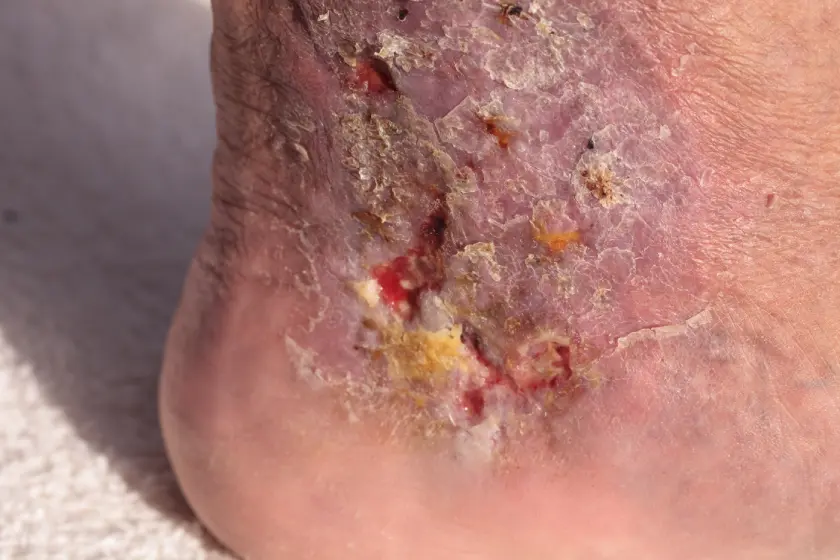
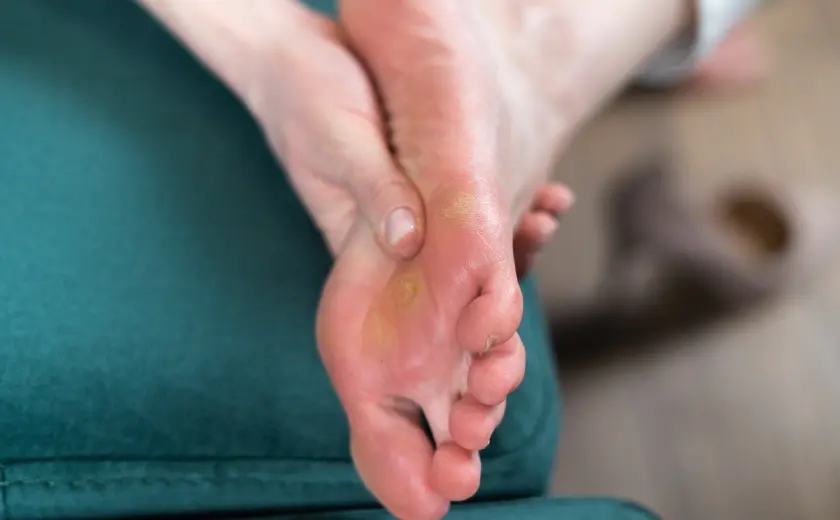
Charcot foot disease is a serious condition where the bones, joints, and soft tissues of the foot weaken due to nerve damage. People with diabetes or peripheral neuropathy are at a higher risk because reduced sensation in the feet makes it difficult to detect early injury. Over time, small fractures or dislocations go unnoticed, and the foot shape begins to collapse. Common Charcot foot symptoms include swelling, warmth, redness, instability, and visible deformity. If left untreated, the condition can lead to ulcers, infections, and even the need for Charcot foot surgery. Understanding Charcot foot causes and taking early action are key steps in preventing long-term complications.
Why Proper Footwear Is Important
The right footwear plays a major role in managing Charcot foot disease. Since the bones weaken and the arch may collapse, the foot becomes more vulnerable to pressure and injury. Wearing specialised Charcot foot shoes helps redistribute weight, reduce friction, and protect vulnerable areas. Proper footwear also supports recovery during Charcot foot treatment and helps prevent ulcers, fractures, and further deformities. For many patients, supportive shoes work alongside customised orthotics and Charcot foot exercises to maintain stability and mobility.
Features to Look for in Shoes for Charcot Foot
When searching for the Best Shoes for Charcot Foot, prioritise the following features.
- Extra Depth: A deeper shoe design accommodates swelling, deformity, and additional padding or inserts.
- Wide Toe Box: Allows the toes to spread naturally without pressure on sensitive joints.
- Rigid or Rocker Bottom Sole: A rocker bottom reduces pressure on the midfoot and helps maintain natural movement without stressing fragile bones.
- Ankle Support: A high top or boot style stabilises the ankle and lowers the risk of uneven weight distribution.
- Soft Interior Lining: Prevents friction that can cause ulcers.
- Removable Insoles: Useful for adding custom orthotic inserts recommended during treatment.
- Lightweight Yet Supportive Structure: Reduces fatigue while keeping the foot secure and stable.
Types of Shoes Recommended
There are several categories of footwear commonly advised for individuals with Charcot foot disease.
- Extra Depth Diabetic Shoes: These shoes offer additional space for deformities and orthotics. They minimise pressure and help protect sensitive areas.
- Custom Orthopaedic Shoes: Designed specifically around your foot shape, these shoes offer maximum support. They are ideal for advanced deformity or after Charcot foot surgery.
- Rocker Bottom Shoes: These help offload pressure from the midfoot and prevent excessive strain during walking.
- Ankle Support: High-top supportive boots keep the ankle steady and prevent uneven gait and weight shifts.
- Total Contact Footwear: Used during active Charcot stages, these shoes play a role in stabilising the foot and preventing further deterioration.
Tips for Choosing the Right Shoes
Selecting the Best Shoes for Charcot Foot . becomes easier when you follow these guidelines.
- Get a Professional Foot Assessment: Visit a specialist who can measure your feet accurately and recommend appropriate footwear.
- Never Compromise on Fit: Shoes that are tight or loose can worsen deformity. The fit must be snug, stable, and comfortable.
- Choose Breathable Materials: Sweat and moisture increase ulcer risks. Opt for shoes that allow airflow.
- Consider Custom Insoles: A foot specialist may prescribe insoles that distribute pressure evenly.
- Check Sole Rigidity: The sole should not bend easily. A rigid sole protects bones from impact.
- Walk Inside the Store First: Test the shoes on different surfaces to judge comfort and stability.
- Replace Old ShoesWorn-out soles lose support and can trigger injury. Replace footwear regularly.
When to See a Foot Specialist
You should consult a specialist as soon as you notice swelling, pain, warmth, redness, or changes in foot shape. These may be signs of early Charcot foot disease. Early diagnosis improves outcomes and reduces the need for surgery. A foot specialist will guide you on Charcot foot treatment, recommend supportive footwear, teach you Charcot foot exercises, and advise you on lifestyle modifications. If your condition is advanced or not improving, the doctor may discuss the possibility of Charcot foot surgery.
Conclusion
Choosing the Best Shoes for Charcot Foot is an essential step in protecting your mobility and long-term health. With the right footwear, you can reduce pain, improve stability, prevent complications, and support recovery. Whether you are newly diagnosed or already receiving treatment, supportive shoes combined with medical guidance, proper care, and consistent Charcot foot exercises can make a meaningful difference in your daily life.
FAQs
What type of shoes are best for Charcot foot?
Extra depth diabetic shoes, custom orthopaedic shoes, rocker-bottom shoes, and high-top supportive boots are commonly recommended.
Why is special footwear important for Charcot foot?
It helps reduce pressure on fragile bones, prevents ulcers, supports deformities, and promotes safer movement during recovery.
Can I wear normal shoes if I have Charcot foot?
Normal shoes often lack depth, stability, and pressure distribution. Specialised footwear is safer and more supportive.
What features should I look for in Charcot foot shoes?
Look for extra depth, a wide toe box, rigid soles, ankle support, soft lining, and the ability to accommodate orthotic inserts.